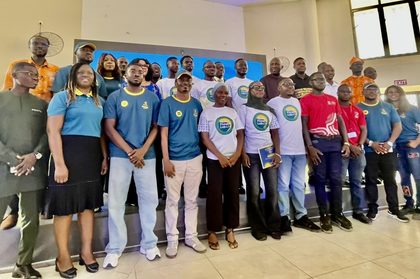
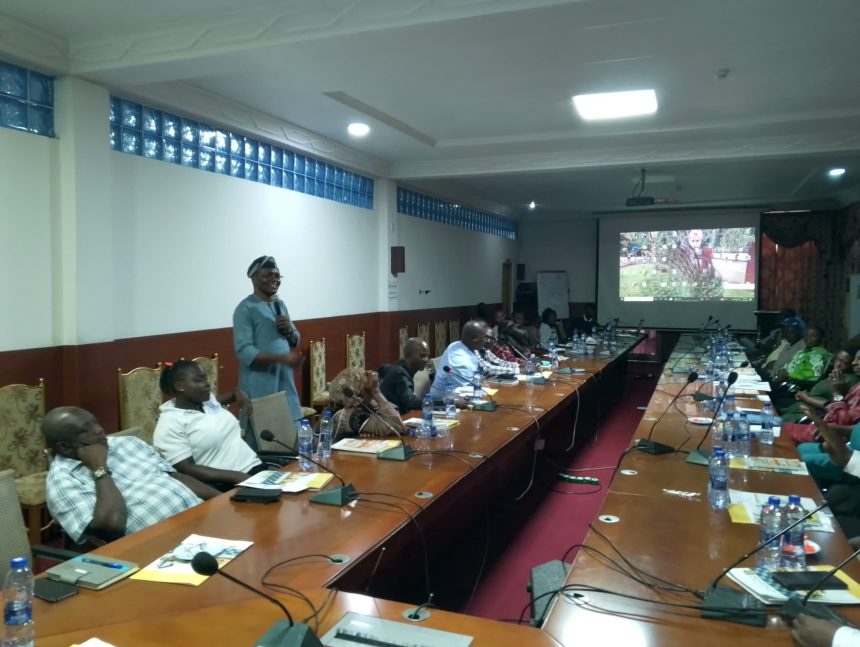
The United Nations Population Fund (UNFPA) has conducted a comprehensive training programme on Gender-Based Violence (GBV) for representatives of the Ghana Private Road Transport Union (G.P.R.T.U) in Kumasi.
The training specifically focused on the 16-day activism campaign against GBV.
The 32 G.P.R.T.U representatives who participated in the intensive two-day training session, were drawn from all the 16 regions of Ghana.
The training aimed to harness public transportation as a platform for widespread awareness and advocacy against GBV, by engaging passengers who utilize these services for various social and economic purposes.
Additionally, the initiative sought to enhance the participants’ understanding of gender dynamics, GBV, and detrimental social norms, while also equipping them with essential skills in reporting, referral mechanisms, and survivor support.
GBV encompasses any harmful act directed against an individual’s will, attributed to their actual or perceived sex, gender, sexual orientation, or gender identity.
GBV continues to pose a significant obstacle to the safety, health, and empowerment of many people, especially, women and girls in Ghana.
In 2024, UNFPA, in collaboration with the Ministry of Gender, Children, and Social Protection and the GPRTU, launched a social initiative aimed at combating injustices faced by women and girls.
The initiative is named, ‘16 stations, 16 routes, 16 destinations: public transport unites against GBV’.
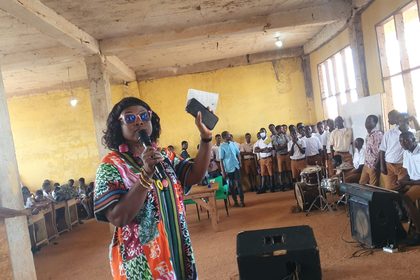
Mr Bawa Faisal, National Programme Analyst on GBV at UNFPA, speaking at the ceremony, said the GPRTU facilitated the transportation of millions of individuals across Ghana’s regions each year, thereby rendering public transit a unique avenue for disseminating GBV prevention messages throughout daily commutes.
He noted that the 32 regional representatives had been trained as GBV advocates to promote and implement the initiative at the regional level by engaging transport workers and passengers, to ensure effective GBV prevention, reporting, and service delivery.
Mr Faisal indicated that the initiative was designed to extend until 2030, establishing a long-term platform to reach diverse audiences and foster transformative community-level change.
He said the outcomes of the training would facilitate the mobilization of stakeholders within the regional transport sectors and promote accountability in GBV prevention efforts.
Some of the participants, particularly the women, expressed their gratitude for the insights gained during the training and thanked UNFPA for the invaluable opportunity to deepen their understanding of GBV.