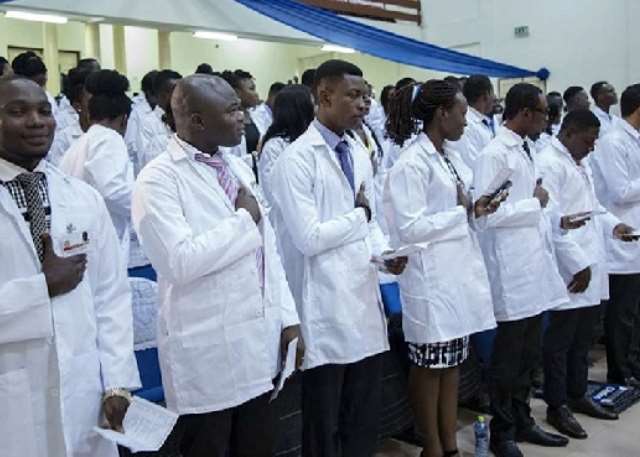
Health authorities are growing increasingly alarmed that an increasing number of newly qualified doctors are refusing postings to rural and underserved districts, deepening long-standing gaps in access to medical care outside major cities.
The Ministry of Health has confirmed that several doctors assigned to district hospitals in the latest posting cycle did not report to their stations, a trend officials say threatens efforts to improve healthcare equity. Many rural facilities continue to operate with only one doctor, and in some cases none at all.
Senior health officials say the refusals are driven largely by poor living and working conditions in remote communities. Doctors frequently cite inadequate housing, unreliable electricity and water supply, deteriorating roads and the absence of good schools for their children. Limited opportunities for specialist training and career progression in rural areas have also discouraged many from accepting the posts.
“This pattern is widening the inequality between urban and rural health services,” a Ministry of Health official said. “We cannot strengthen primary care if the people trained to deliver it will not go where they are needed most.”
The ministry has appealed to district and municipal assemblies to offer incentives, including accommodation and transport support, to attract and retain medical officers. Previous administrations have also urged doctors to serve in deprived areas, with former president Nana Akufo-Addo describing the trend as “distressing” and warning that it undermines national development goals.
Health experts say the consequences are evident in maternal care, emergency treatment and disease management in rural districts, where shortages of doctors often force patients to travel long distances for basic services. Researchers have long argued that Ghana’s medical workforce is heavily concentrated in urban centres, particularly Accra and Kumasi, leaving large parts of the north and remote forest belts underserved.
Some analysts have recommended a long-term “rural pipeline” strategy, including training more students from rural backgrounds, giving medical trainees structured rural placements and creating clear career paths for doctors who choose to work outside major towns.
The government says discussions are under way to review incentive packages and improve conditions in rural health facilities. But sector leaders warn that without significant and sustained investment, the reluctance to take up rural postings will persist — and the gap in health outcomes between urban and rural Ghana will continue to widen.