
The Naana Kakie Foundation, a non-governmental organisation on health, has called on Ghanaians to prioritise unity, education, and responsible behaviour in the national response to HIV/AIDS and desist from stigmatising persons living with the virus.
Ms Esther Kakie Ayimavor, the Chief Executive Officer of the Foundation, said the fight against HIV required continuous public sensitisation, responsible sexual practices and collective support for people affected by the condition.
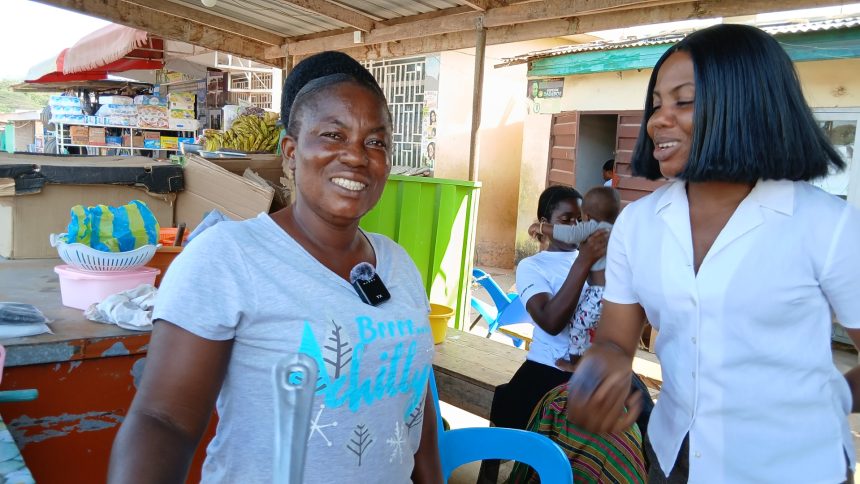
As part of this year’s World AIDS Day activities, members of the Foundation embarked on a community sensitisation exercise across Ada, Kasseh and surrounding communities to educate residents on HIV transmission, prevention, and the importance of ending stigma.
Ms Ayimavor, popularly known as Naana Kakie, advised the youth to abstain from sex or use protection consistently, emphasising that “it is better to protect yourself than to get infected and seek a solution later.”
She stressed that eliminating stigma and discrimination was crucial, adding that persons living with HIV deserved dignity, encouragement, and unity in their fight for better health.
She also urged parents and guardians to educate their children about HIV, its modes of transmission and preventive measures, noting that early education plays a key role in securing a healthier next generation.
Citing data from the Ghana AIDS Commission, she stated that the Greater Accra Region has recorded more than 77,821 persons living with HIV, while Ada alone was estimated to have about 5,000 cases, excluding individuals who have never tested.
“You will agree with me that the real figure could be much higher,” she noted.
During the campaign, some residents of Ada expressed concerns about behaviours that heightened HIV transmission risks.
Naana Kakie reaffirmed her Foundation’s commitment to ongoing community sensitisation efforts aimed at reducing new infections and supporting persons living with HIV.
The residents shared their knowledge on HIV, noting that having unprotected sex should be between married couples, and HIV has no cure.
They agreed that people must avoid unprotected sex and stop the reuse and sharing of sharp objects and other risky practices.
Others highlighted faithfulness between partners as one of the most effective ways to prevent infection.
Ofoe, a resident of Tamatoku, admitted that although some people believed condoms reduce sexual pleasure, they remained an essential tool for protection.
Another resident, who identified himself as Orchid, cautioned that engaging in sexual intercourse with someone whose HIV status was unknown was dangerous and suggested mandatory testing before intimate relationships.
Participants also noted that once contracted, the virus remains in the body for life, reinforcing the need to adopt preventive behaviours. They encouraged especially young women to stay focused, avoid transactional or multiple sexual relationships, and work hard towards their goals.