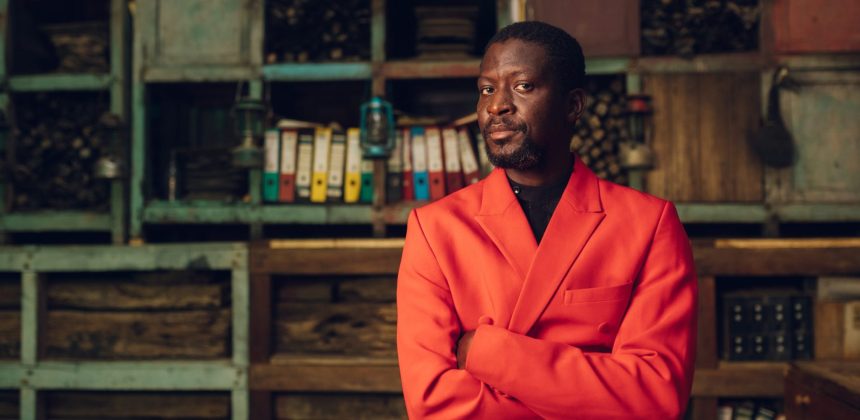
Accra — Ghanaian visual artist Ibrahim Mahama has surged to the top of the global contemporary-art world this year, becoming the first African ever to be named No. 1 on the annual ArtReview “Power 100” list.
The 2025 ranking — compiled by around 30 anonymous experts from around the world — measures influence across the art ecosystem, from artistic production to institutions, exhibitions and cultural infrastructure.
Mahama, 38, has previously appeared on the list — ranked 14th in 2024 — but this marks a historic leap not just for him, but for Africa’s representation in contemporary art globally.
He is widely celebrated for large-scale installations crafted from humble, everyday materials such as jute sacks and discarded fabrics — materials that evoke labour, trade and colonial histories. His work often transforms buildings and spaces into powerful reminders of social memory, inequality, and the complexities of global trade.
But Mahama’s contribution goes beyond individual artworks. He has reinvested the success of his craft into building cultural infrastructure in his home region, in Tamale. He founded institutions including the Savannah Centre for Contemporary Art (SCCA), as well as artist-run studios and community-based spaces such as Red Clay Studio and Nkrumah Volini, creating opportunities for emerging artists and providing a platform for African voices.
In a recent interview, Mahama said that for him, an “institution” is “some kind of archaeological truth,” a place where history, memory and the present converge — and that art must not only display but also redistribute cultural and historical consciousness.
Global art commentators view his ascendancy to the top of the Power 100 list as indicative of a broader shift in the art world: one where power is decentralizing away from traditional Western strongholds and moving toward artists and institutions rooted in the Global South.
For Ghana and Africa more broadly, Mahama’s recognition marks a milestone — proof that an artist from the continent can not just participate in, but lead global conversations about art, memory, and justice.