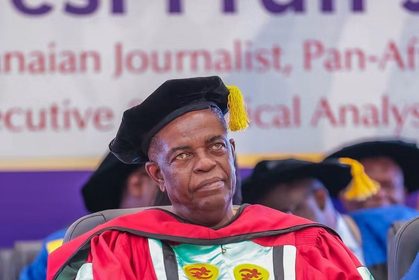
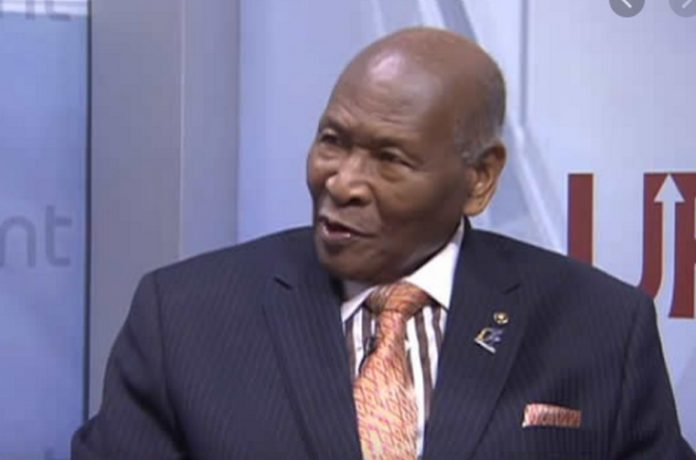
Veteran lawyer Sam Okudzeto (a former president of the Ghana Bar Association) has publicly called for the disbandment of the Office of the Special Prosecutor (OSP). According to Mr. Okudzeto, the OSP has not lived up to the promise of ensuring impartial, effective prosecution of corruption and alleged wrongdoing.
Mr. Okudzeto argued that the institution has, in his view, failed to meet the expectations of Ghanaians, especially given the persistence of corruption cases and doubts over the consistency and transparency of its operations. He expressed concern that despite the OSP’s creation, many high-profile corruption cases remain unresolved, undermining public confidence in the anti-corruption framework.
He further contended that maintaining the OSP in its current form may no longer be in Ghana’s best interest, and suggested a reversion to more traditional prosecutorial mechanisms under existing state institutions, rather than relying on a parallel body.
Mr. Okudzeto pointed out that the OSP appears unable to consistently deliver justice — a situation that weakens the rule of law and may give corrupt individuals increased confidence that they can escape consequences. He also argued that the institutional mandate and operations of the OSP may have structural inefficiencies or limitations that prevent thorough investigations and prosecutions.
According to him, the continued failure to secure convictions, or to bring about timely and transparent resolution of major corruption allegations, weakens public trust and raises questions about the OSP’s relevance as a separate anti-corruption agency.
Supporters of the OSP may argue that scrapping the body would remove a key independent mechanism designed to hold powerful individuals accountable — and that strengthening, not dismantling, is the appropriate response. If the OSP is scrapped, there could be risk that corruption prosecutions revert to political interference or bureaucratic delays typical of traditional prosecutorial structures.
On the other hand, Mr. Okudzeto’s call reflects a broader frustration among parts of Ghana’s legal and civil society community, especially those concerned with the perceived ineffectiveness and slow pace of anti-corruption prosecutions. His stance brings into sharper focus the debate over whether a standalone institution like the OSP remains the best path to curb corruption, or whether reforms within existing bodies might better serve justice and accountability.