A day’s stakeholders’ forum to validate research findings on how mining especially illegal mining was adversely affecting major water bodies across the Volta River Basin has been held in Tamale.
The forum was also to trigger conversations and solicit experts and stakeholders’ input on the environmental and socioeconomic impact of mining on the Volta River Basin.
It formed part of efforts to strengthen evidence-informed advocacy and promote coordinated actions among state and non-state actors to safeguard the Volta River Basin.
Organized by TAMA Foundation Universal, an NGO, with funding support from STAR Ghana Foundation, the event brought together key stakeholders from across northern Ghana including traditional and religious leaders, civil society organisations, the media and security agencies.
It was held on the theme: “Evidence to Action: Enhancing Coordination, Policy Influence, and Community Resilience”.
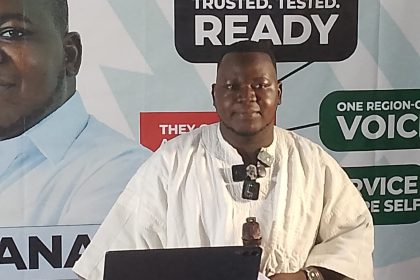
Dr Chris Anab, Executive Director of TAMA Foundation Universal, speaking during the forum, said it followed extensive research commissioned by the organisation and conducted by the Council for Scientific and Industrial Research–Water Research Institute (CSIR-WRI) focusing on the effects of illegal mining on the Volta River Basin.
He said the researchers mapped mining districts along the basin, collected water samples and analyzed them to establish the extent of contamination.
He said, “What generally came up in the research findings was that there were traces of heavy metals, and what is even more revealing was that cyanide was widely used and that is a source of concern to us.”
Dr Anab said illegal mining was not only degrading water bodies but also undermining youth development explaining that energetic young people, who should be pursuing skills or sustainable livelihoods were caught up in mining areas with long-term consequences for community development.
He called on government and NGOs to prioritise investing in employment opportunities to ensure that young people were gainfully employed to minimize the temptations of them going into illegal mining.
Madam Zita Naagmenyele Abuntori, a Research Scientist at CSIR-WRI, on behalf of her colleagues, made a presentation on the “Physicochemical Parameters and Trace Element Contamination in the Volta River in Relation to Illegal Mining”.
The findings revealed significant heavy metal pollution in the upper and middle belts of the river while the lower belt from the confluence downstream remained relatively less affected.
It said tributaries in the upper and middle zones were the most impacted recording elevated concentrations of Cadmium, Lead, Chromium and Cyanide alongside high turbidity levels.
Illegal mining and sand-winning activities were identified as major pollution drivers.
The research recommended stronger regulation and enforcement against illegal mining, continuous water quality monitoring, the promotion of mercury and cyanide-free mineral processing technologies, and the prohibition of harmful chemicals in mining operations.
It also recommended sediment management and watershed restoration programmes, enhanced trans-boundary river basin management, safe drinking water education campaigns, and increased community sensitisation on the health risks associated with consuming untreated polluted water.
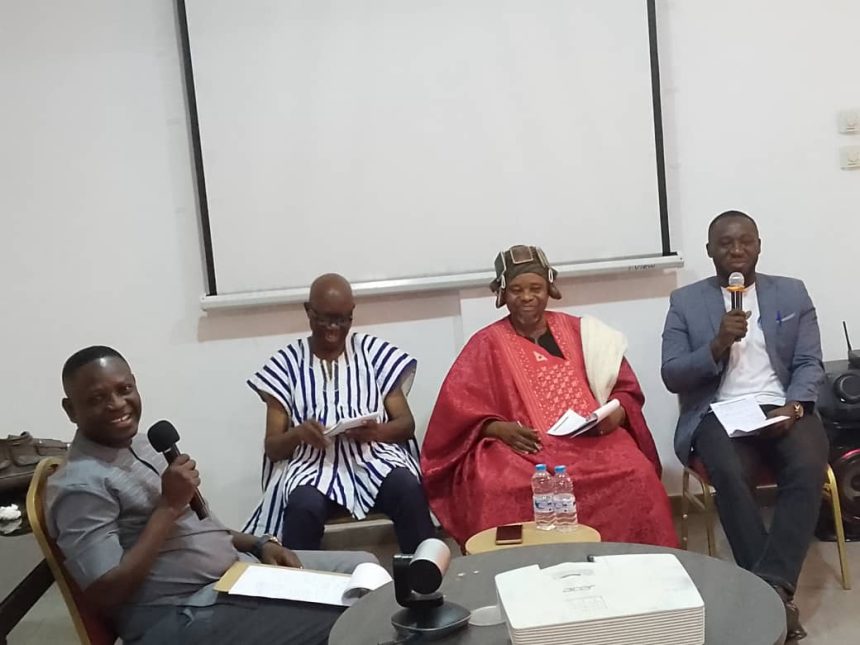
Mr Jesse Kazapoe, White Volta Basin Director of the Water Resources Commission, during a round table discussion, identified deforestation, open defecation, water pollution, siltation, flooding and poor farming practices as concerns threatening the sustainability of water bodies in the basin.
He indicated that the White Volta at Nawuni served as the primary water source for the Greater Tamale Area emphasising that “Any damage to the river directly affects water supply to the area.”
Professor Saa Dittoh, a Retired Professor from the University for Development Studies, during the discussions, called for stronger political will, enhanced coordination, and deeper understanding on the complexities of illegal mining.
He said, “Efforts to end illegal mining must go beyond public rhetoric by ensuring the full commitment of the political class.”
Naa – Pari – Young Kosom Yelzoya, Paramount Chief of the Nangode Traditional Area and President of the Nabdam Traditional Council, raised health risks including chronic diseases linked to chemical contamination of rivers and soils.
He underscored the need for traditional leaders to support the fight against illegal mining in the country.