The International Finance Corporation (IFC) has trained more than 250 Ghanaian professionals in green building design and principles.
The threeyear programme, implemented with support from the Swiss State Secretariat for Economic Affairs (SECO), equipped architects, engineers and building professionals with skills to design resourceefficient structures.
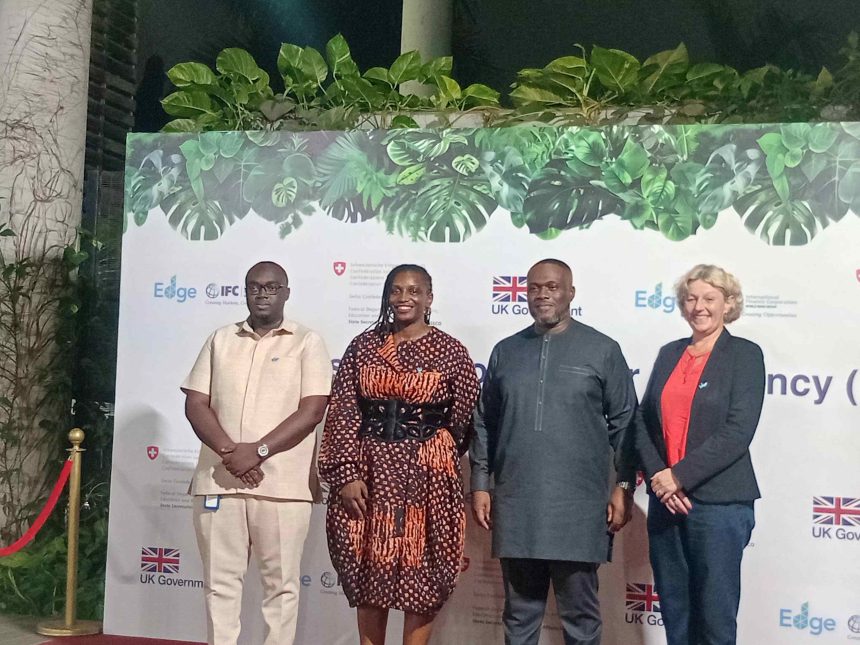
The Design for Greater Efficiencies (DfGE) capacitybuilding programme concluded with a closeout event in Accra that underscored Ghana’s emerging leadership in West Africa’s green building sector.
Mr Kenneth Gilbert Adjei, Minister of Works and Housing, described the initiative as a catalyst for Ghana’s sustainable construction agenda.
“The programme, spearheaded by IFC and partners, was highlighted for successfully equipping a new generation of architects, engineers, and built environment professionals with the expertise to lead Ghana’s green building transformation,” he said.
The Minister said the DfGE programme aligned with national climate goals and the vision for a greener, more resilient Ghana, noting the need to address the building sector’s high energy consumption and emissions.
He said DfGE principles were being integrated into government policy and announced the imminent launch of the Greenville District Housing Programme, which will use lowcarbon, locally sourced materials.
He reaffirmed government’s commitment to advancing green standards through enabling policies and partnerships.
Ms Yewande Giwa, IFC Senior Country Officer for Ghana, said the training addressed a critical need in tackling climate change.
She noted that buildings accounted for about 40 per cent of energyrelated greenhouse gas emissions and said the programme’s conclusion marked the beginning of Ghana’s green building journey.
“The IFC has ensured the sustainability of this knowledge transfer by partnering with local organisations to host and manage the updated online course indefinitely, guaranteeing continued access for future professionals,” she said.
Ms Magdalena Wüst, Deputy Head of Cooperation at the Swiss Embassy in Ghana, commended the achievement, saying Switzerland was proud to support a programme that empowered institutions and students with the skills needed for a lowcarbon future.
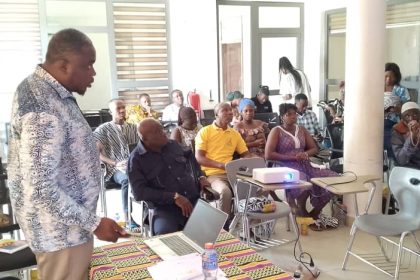
The curriculum covered eight modules, ranging from foundational green building concepts to technical skills in energy efficiency analysis, water conservation and embodied carbon reduction.
A total of 254 professionals and students completed the programme, surpassing the target of 180. Among them were 67 women, exceeding gender inclusion goals.
The programme also certified 30 local trainers across five universities and professional institutes to ensure continued knowledge transfer.
Trainees learned practical design strategies, including building orientation, natural ventilation and shading techniques.