Money in Ghana is rarely just about numbers. It is tied to pride, obligation, respect, rivalry, identity and belonging. From weddings and funerals to rent negotiations, job promotions, school fees and church contributions, financial decisions are shaped as much by emotion and social expectation as by income
Behind many money troubles in Ghana is not a lack of knowledge, but the heavy psychological weight attached to how we spend, give, save and appear to others
A closer look at these pressures reveals why even financially aware people often struggle to follow their own budgets — and why understanding the psychology of money is key to financial stability
The pressure to “look successful”
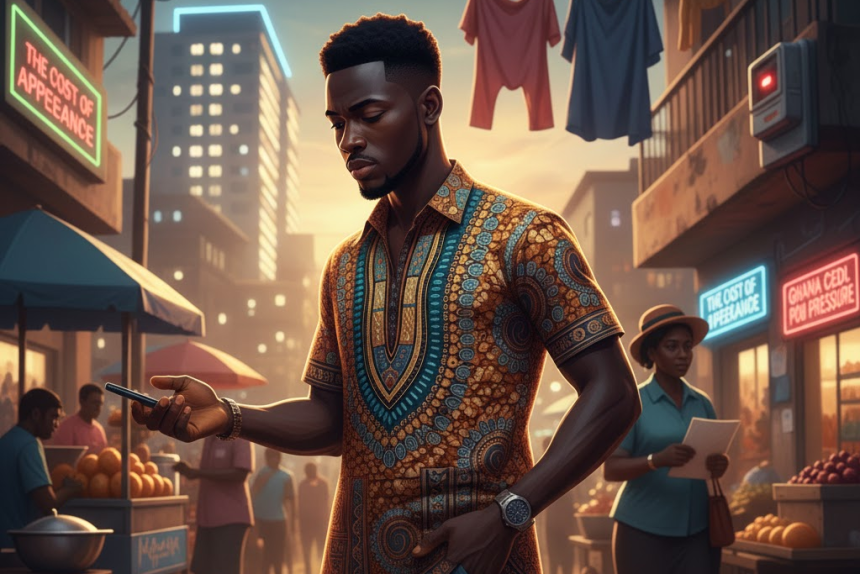
In many Ghanaian communities, appearance carries enormous social value. A good job, a decent address, a nice car, or even the right clothes can influence how one is perceived. Young professionals in particular feel compelled to show visible signs of progress
The pressure intensifies in Accra, Kumasi and Takoradi, where social life revolves around restaurants, events, dating culture and online visibility. People spend to keep up — not because they genuinely want the lifestyle, but because they fear being judged for not having it
This “performance spending” is one of the most common ways Ghanaians quietly exceed their budgets
The weight of family and communal expectations
Family is central to Ghanaian life, but so are the financial responsibilities that come with it. Once a person starts working — or even travels abroad — they are seen as a source of support. Parents, siblings, cousins and nieces all become part of their financial ecosystem
These expectations carry deep emotional weight. Saying “no” can feel disrespectful, ungrateful or shameful. Many people give more than they can afford because the psychological cost of refusing is heavier than the financial cost of complying
This sense of obligation is noble, but without boundaries, it destabilises household budgets across generations
Weddings, funerals and the pressure to perform
Major social ceremonies have become financial battlegrounds. Families feel compelled to host large funerals, buy expensive fabrics, rent halls, hire decorators, and feed hundreds. Similarly, weddings have become statement events
The psychology is simple: no one wants to be seen as “the family that didn’t do well”
People stretch their finances to meet cultural expectations even when they know they cannot afford it. The emotional fear of embarrassment overrides rational financial judgement
The fear of being perceived as struggling
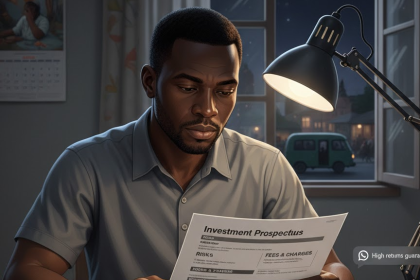
Ghanaians often hide financial difficulty — sometimes even from close friends and partners. In a society where economic hardship is common, many go out of their way not to appear needy
This leads to behaviours like:
• Borrowing to maintain lifestyle
• Using mobile loans to fund social obligations
• Avoiding conversations about money
• Prioritising appearance over security
The stigma around financial struggle discourages honest conversations that could help people make sounder decisions
The influence of church culture
Faith communities are central to Ghanaian social life, and church participation often involves financial contributions — offerings, tithes, building funds, welfare donations. Many give generously out of genuine conviction, but for others, the desire to be seen as generous creates pressure
Trying to match the giving patterns of others, even with lower income, is a common but overlooked source of financial strain
Social media and the new spending triggers
Instagram, Snapchat and TikTok have amplified spending pressure. Carefully curated images of vacations, outfits, cars and brunches create unrealistic standards for everyday living. Many people feel inadequate by comparison, forgetting that what appears effortless online may be funded by debt or driven by insecurity
The psychological trigger is comparison — a powerful force that reshapes desires and spending habits without being noticed
Why saving is emotionally harder than spending
Saving money in Ghana often feels emotionally unrewarding. Spending brings immediate validation: compliments, comfort, convenience, social acceptance. Saving, on the other hand, is invisible. No one praises you for staying home, cooking, or wearing the same outfit twice
Psychologically, humans gravitate toward visible rewards. In a society where image carries weight, this bias strengthens
Without deliberate mental discipline, spending wins
How understanding money psychology can change behaviour
The first step toward healthier financial habits is acknowledging that money decisions are emotional, not just mathematical. Practical steps include:
Setting boundaries early
Communicating clearly with family about what you can contribute protects relationships and finances
Practising “value-based spending”
Ask: Does this purchase reflect what matters to me, or what I think others expect?
Creating a support system of like-minded peers
Surrounding yourself with people who respect modest living reduces pressure
Planning for social events in advance
Budgeting for weddings, funerals and contributions prevents impulsive overspending
Reducing comparison triggers
Being mindful of social media influences helps maintain realistic expectations
Celebrating savings milestones
Giving yourself emotional rewards for financial discipline reinforces good habits
A society caught between tradition and modern pressures
Ghana’s blend of communal living, cultural expectations and modern consumer culture has created a complex psychological relationship with money. People want to support their families, honour traditions and enjoy life — but they also want to appear successful, avoid shame and meet social standards
These motivations are deeply human. They are not flaws. But without awareness, they can quietly erode financial stability
Understanding the psychology of money is not about abandoning culture. It is about learning to navigate social pressure without losing control of your finances
In a country where economic realities are tough and social expectations are high, that balance may be one of the most important life skills any Ghanaian can learn