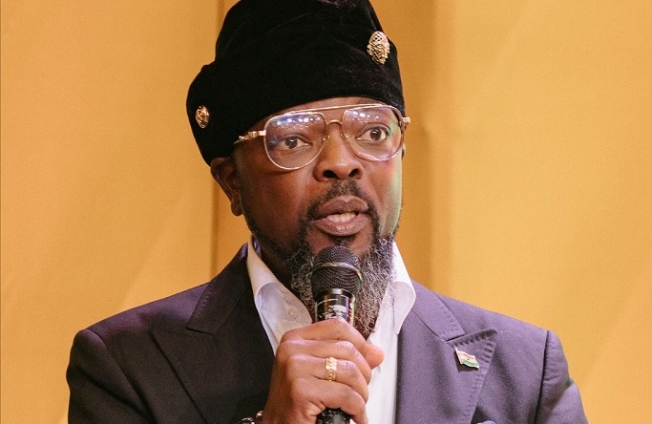
The Director of Diaspora Affairs at the office of the President, Kofi Okyere-Darko, has pushed back against the growing use of the term “Detty December” to describe the Ghana’s end-of-year tourism season, saying the label carries meanings he does not want associated with Ghana, even as December continues to draw record numbers of visitors and generate major economic activity.
Speaking on the sidelines of the Ghana Diaspora Summit in Accra, Mr Okyere-Darko said he was personally uncomfortable with the word “detty” being linked to Ghana’s international image.
“On a personal level, I don’t want the word ‘detty’ to be associated with anything Ghana,” he said. “That’s something I’m not very comfortable with.”
The term, drawn from West African Pidgin and loosely translated as “dirty”, has come to mean unrestricted fun and carefree celebration at the end of the year. Over the past decade, it has become popular shorthand for December festivities in both Ghana and Nigeria, especially among young people and members of the African diaspora.
Despite its popularity, the government has deliberately avoided the phrase in its official messaging. Instead, state institutions promote the season as “December in Ghana”, a label Mr Okyere-Darko says better reflects the country’s long-standing appeal beyond nightlife and partying.
“The young people somehow prefer ‘Detty December’, but officially, that’s not the name,” he said. “December itself is not what attracts people to Ghana. People started coming to Ghana a long time ago. I remember December in Ghana at the turn of the millennium, with initiatives like Akwaaba UK.”
Whatever the branding debate, December has become Ghana’s most active tourism month. Last year alone, more than 125,000 international visitors arrived during the period, many of them diasporans from Europe and North America. The figure was significantly higher than arrivals recorded in any other month, continuing a pattern seen consistently over the past three years.
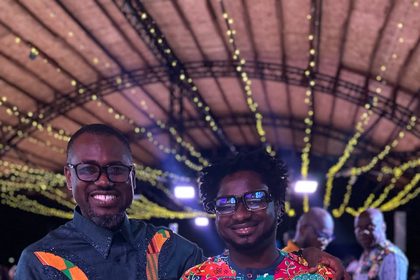
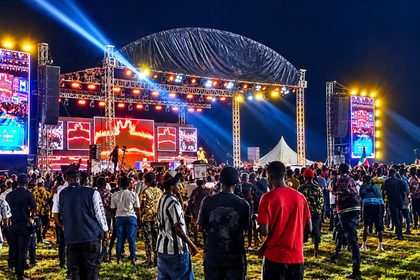
The surge has delivered a major economic boost, particularly in Accra, where hotels, restaurants, transport services and entertainment venues operate at full capacity throughout the month. Concerts, festivals and social events now span almost the entire calendar, with visitors socialising seven days a week.
The phrase “Detty December” gained wider recognition about eight years ago after Nigerian musician Mr Eazi launched his Detty Rave festival in Accra, helping cement the city’s reputation as a December party capital in West Africa.
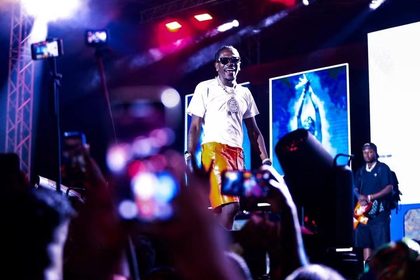
This year’s calendar has again featured high-profile performances. American hip-hop icon Busta Rhymes performed in Accra as part of the Rhythm and Brunch concert, while UK rapper Giggs is scheduled to headline the Afro Paradise festival on 31 December. Ghanaian stars, including dancehall veteran Samini and hiplife pioneer Reggie Rockstone, are also billed for major events before the year ends.
Beyond entertainment, officials say the December season is increasingly being used to deepen economic ties with the diaspora. Alongside concerts and festivals, there has been a growing slate of investment forums, networking sessions and cultural showcases, offering pathways into sectors such as real estate, mining, fashion and textiles.
That shift builds on the momentum of the Year of Return, launched in 2019 to encourage people of African descent to reconnect with Ghana through tourism, investment and long-term engagement.
While many see the influx of visitors as a positive development, some residents complain of price increases, overcrowding and severe traffic congestion during the period, particularly in central Accra. Even so, few dispute the scale of the economic opportunity the season now represents.
Mr Okyere-Darko said he is open to rethinking how December is branded in ways that still resonate with younger audiences without what he considers negative undertones. One suggestion, he said, is shortening December in Ghana to “D.I.G.”, with the tagline: “Let’s dig it.”