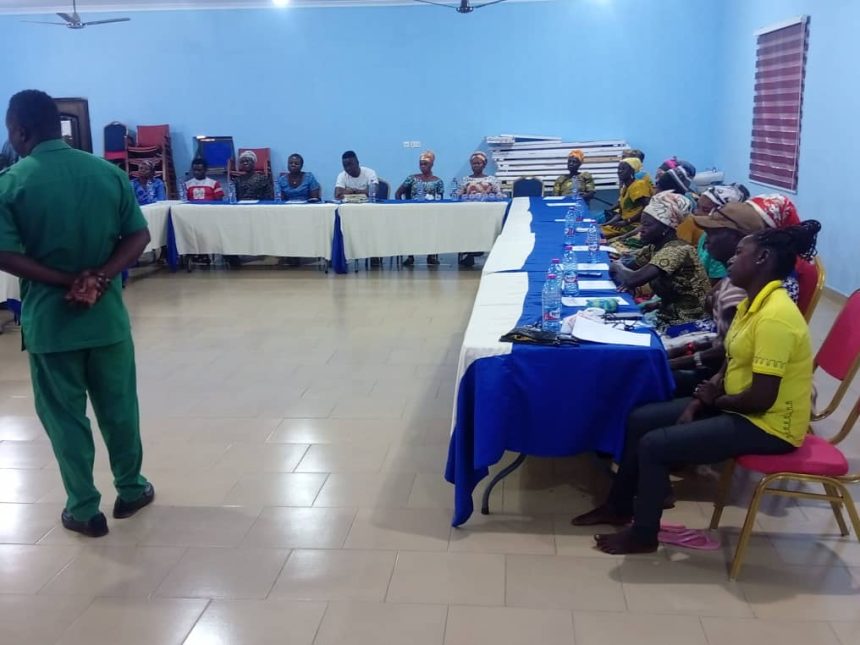
The Langtaa Cooperative Farmers Association has organised a training programme for its members on farmland management, organic farming and agroecology, to promote sustainable agricultural practices and improve livelihoods.
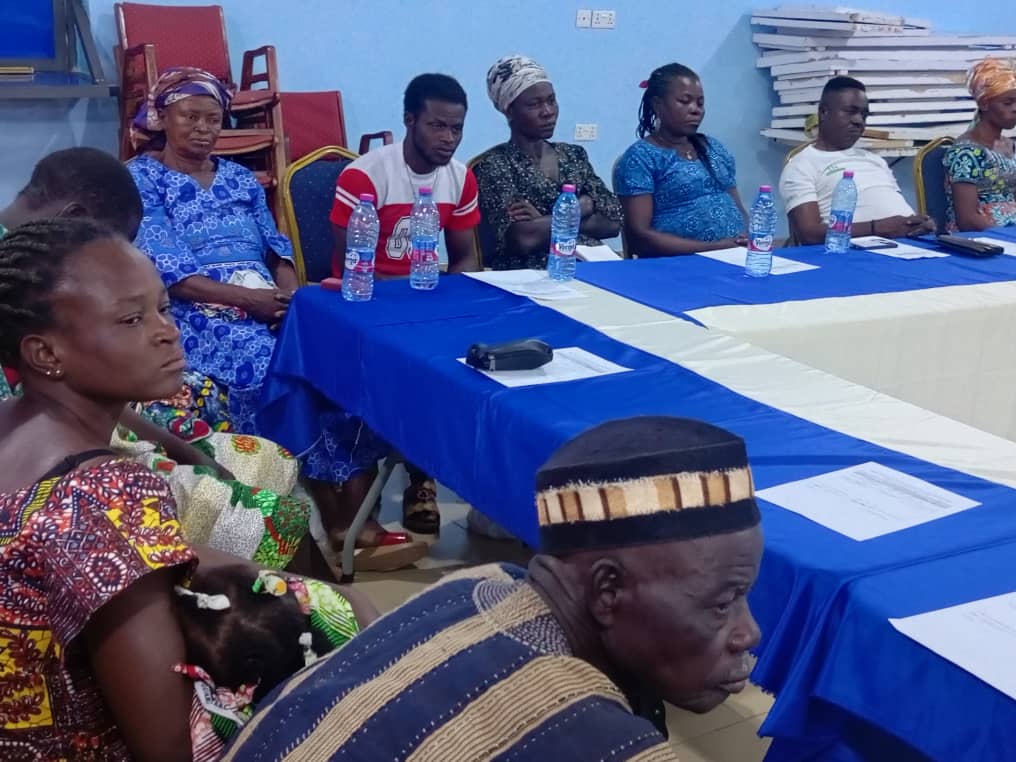
The training, held in Nandom, brought together over 60 members drawn from ten communities within the Nandom municipality, with most of them being women.
Mr Gaeten Bomansaan Baligi, the Nandom Municipal Director of Agriculture, and his technical team, who facilitated the session, took participants through key areas including soil fertility management, weed control and pests management.
The participants were introduced to the principles of agroecology, organic soil fertility improvement methods, organic weed control, conservation practices, botanical pesticides, biological controls and integrated organic management systems.
Mr Baligi indicated that due to the negative impact of climate change, farming had taken a new twist with the adoption of climate-smart farming practices, including conservation agriculture.
Mr Godwin Kuuim Tietaah, the Executive Director of the Langtaa Cooperative Farmers Association, encouraged members to apply the knowledge acquired and to share it with other farmers in their respective communities.
He noted that adopting organic and agroecological practices would not only enhance farm productivity but also contribute to environmental sustainability.
“This training will help you (the farmers) adopt climate-smart agricultural practices to mitigate the effects of climate change on your farming activities and improve income levels if you apply what you have learned here today,” Mr Tietaah indicated.
The participants expressed gratitude to the Association for the knowledge imparted to them and expressed readiness to apply the new knowledge acquired from the training.
The training also covered microbial farming, highlighting its benefits, sources of beneficial microbes, and practical demonstrations on how to prepare microbial starters and solutions using locally available materials, such as rice, millet, and palm wine.
Climate variabilities such as irregular rainfall patterns, as well as increased pest and disease infestations occasioned by climate change, have been a major setback to agricultural productivity, especially in northern Ghana.
That had made it imperative for farmers to adopt smart farming practices that not only enabled them to adapt the changes in climate variability and improve their fortunes, but also helped mitigate climate change.
The programme formed part of activities under the Forest and Farm Facility Project, with support from the Food and Agriculture Organisation of the United Nations (FAO).
GNA