At the edge of town, a counselling centre opens its doors every morning. Posters on the walls speak of healing, safety, and support. A hotline number is boldly printed at the entrance.
Yet for years, very few men have walked through that door to report domestic abuse. Not because violence against men does not exist, but because many do not believe those services are meant for them.
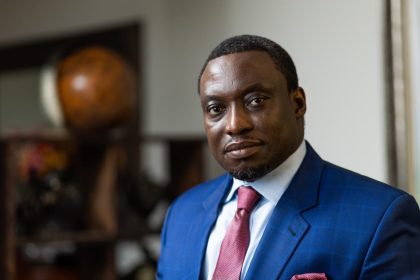
Tawiah Emmanuel Sangmor, a 42-year-old civil servant, once stood outside such a centre for nearly an hour. Inside, he knew counsellors were available. He had rehearsed what he would say: the nights his wife locked him out, the threats to ruin his reputation, the plates thrown in anger. In the end, he turned away.
“I kept thinking they would ask me why I couldn’t control my own house,” he recalls. “I felt exposed just standing there.”
Fear and Invisible Barriers
That hesitation reveals a hidden dimension of male domestic abuse — not the absence of support structures, but invisible barriers that keep men from using them. Fear of disbelief, ridicule, and blame often weighs heavier than the abuse itself.
Wayo Teye Ibrahim said fear of ridicule is the main reason men do not report abuse.
“A man who reports abuse is seen as weak, especially someone who cannot control his home,” he explained.
He added that many men fear the law is biased.
“If a woman abuses me and I report her, people may dismiss it. But if I retaliate and she reports me, the law will not spare me.”
Ibrahim recounted an incident involving a neighbour. “She asked me to cut branches from a neem tree. When I asked why, she said, ‘I’m going to discipline your senior brother, my husband, for chasing small girls.’”
He added that society often treats such abuse casually, especially when the victim is a man.
Abuse Within the Home
Some women argue men are sometimes responsible for their own abuse. Samuella Osei described her husband as lazy and irresponsible.
“Since I am the one who provides housekeeping money and takes care of the children, I will keep abusing him verbally until he finds work. Why should I work, come home, and also take care of a full-grown man?” she said.
She also admitted to withholding intimacy. “I don’t remember the last time we had intimacy. Even yesterday, I didn’t provide him the food I cooked, so he slept on an empty stomach.”
For Samuella, verbal and emotional abuse often results from men failing to fulfil traditional expectations of husbandhood.
Barriers to Reporting
The Ghana Police Service’s Domestic Violence and Victim Support Unit (DOVVSU) handles abuse cases, but sources at Somanya DOVVSU confirmed men rarely report abuse.
“It is mostly women who report,” said one officer. “Sometimes during investigations, we discover the man was actually the victim, but he never reported it.”
The source urged men to report abuse from women, noting that the law frowns on abuse devoid of gender.
Madam Na-Afua Woyram Tettey, Director of the Department of Social Welfare and Community Development at Yilo Krobo Municipal Assembly, echoed the concern.
“Men don’t come at all. Even women come once in a while. The cases we mostly see involving men are child maintenance, where fathers fail to take responsibility. When abuse happens, some women prefer to solve it at home.”
Society and Peer Pressure
Fear extends beyond institutions. Peer pressure and societal expectations reinforce silence. In workplaces, drinking spots, and social gatherings, domestic struggles are often treated as jokes. Men are expected to be strong, emotionally stable, and in control. Admitting victimhood disrupts this image.
Kwesi Teye Odzer recounted being slapped by his wife on 2026 New Year’s Eve after he attempted intimacy when she was tired. “I begged her the next day not to tell anyone. If people hear, I will be mocked,” he said.
He admitted he could have retaliated, but fear of legal consequences prevented him.
“The law makes men look strong and women vulnerable. I didn’t want to end up in court or prison, so I kept quiet.”
Odzer continues to provide housekeeping money for his wife and children but has emotionally withdrawn from the marriage.
He no longer sleeps in the same room and has decided never to touch her again. He even hinted at adding another wife, believing it would restore respect and balance.
The Hidden Danger
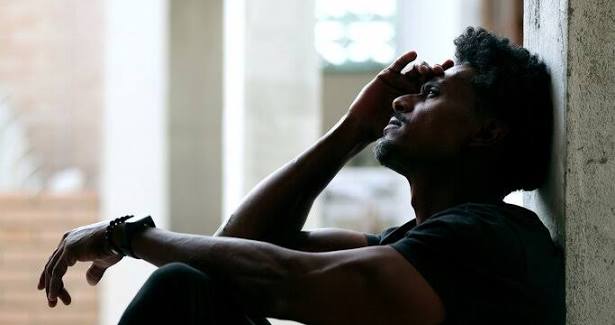
Mental health professionals warn that silence among abused men is dangerous. Men often suppress trauma rather than express it. Pain surfaces through aggression, withdrawal, substance abuse, or risky behaviour. In extreme cases, unresolved abuse contributes to depression and suicide, while the root cause remains hidden.
A Call for Inclusive Support
Evangelist Prince Nayrko, an advocate, has called for gender-inclusive support services and better training for community, traditional and religious leaders to speak openly about abuse against men.
Ultimately, the tragedy is not only that men are abused, but that many men stand just steps away from help and still feel unable to reach it.
Until society makes it unmistakably clear that support is for everyone, those doors will continue to open each morning quiet, waiting, and largely unused by the men who need them most.