The Women in Oil and Gas (WIOG) has intensified efforts to equip young people, particularly women, with the practical skills and certifications required to enter Ghana’s oil and gas industry.
WIOG began its youth-focused training programme in 2016 after identifying a major gap in industry readiness, not in academic qualifications but in awareness of the certification and safety requirements needed to work in the sector.
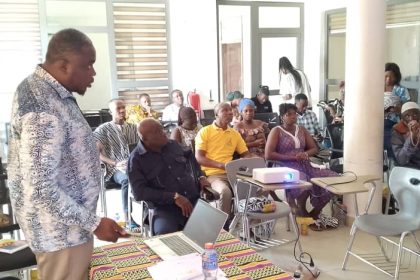
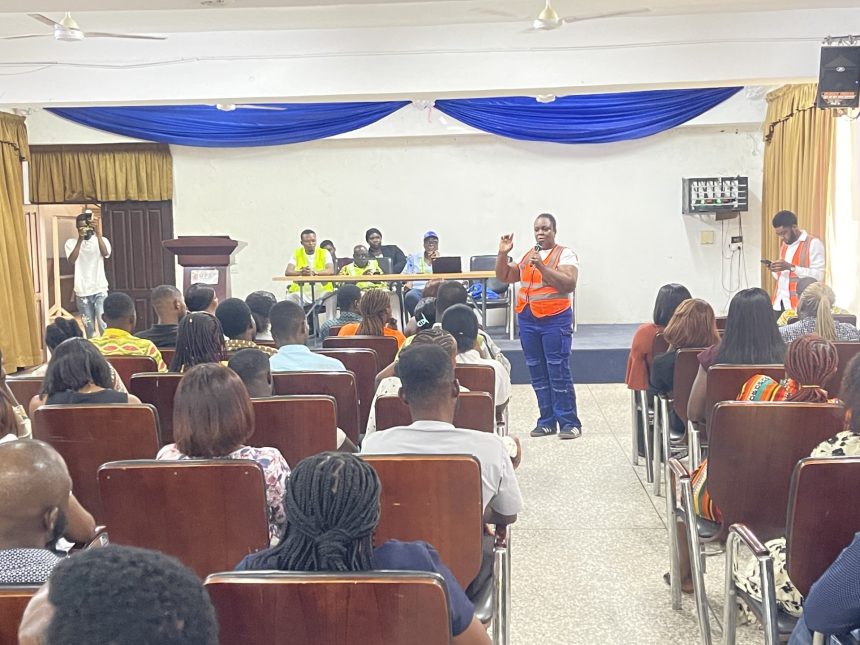
Speaking at an orientation workshop for members of the National Union of Ghana Students (NUGS) in Accra, Mrs Abundant Hayford Aggrey, National President of WIOG, said the oil and gas industry was largely certification-driven.
She noted that even junior high school graduates who obtained the requisite safety and professional certifications could gain access to employment opportunities.
Mrs. Aggrey said WIOG initially trained community youth selected through local authorities, providing them with practical instruction delivered by certified professionals.
She added that although participants were first issued internal certificates, many later secured internship placements with major oil and gas companies, prompting WIOG to formalise the process through internationally recognised certification.
She said the programme later expanded to the University of Ghana, Legon, where WIOG partnered with the university’s counselling department to train 196 students.
“Of that number, about 50 to 55 met the strict code, ethics, and safety standards required to obtain Environmental and Occupational Safety and Health (EOSH) certification. These students are now properly certified and qualified, and many of them are currently undertaking their national service,” she noted.
Mrs. Aggrey said the initiative had since gained national attention, aligning with the government’s Presidential Oil and Gas Absorption Initiative aimed at training and employing more young people under the 24-hour economy agenda.
As part of the expansion, WIOG has allocated 400 training slots to NUGS to ensure nationwide representation, while additional slots have been reserved for traditional authorities, religious leaders, and the general public.
She stressed that the selection process would be merit-based and non-political.
She cautioned that while the government may facilitate employment opportunities, only candidates who meet industry certification standards would be allowed to proceed.
Mrs. Aggrey said future engagements would include public auditions to assess applicants’ knowledge and suitability before admission into the programme.
She said the Presidency had directed the Energy Ministry, through the NPA, to fully sponsor trainees, with the Ghana Navy providing pre-certification survival and swimming training to prepare them for offshore work.
Mrs. Aggrey reaffirmed WIOG’s commitment to building a competent, certified workforce capable of supporting Ghana’s growing oil and gas industry, while opening doors for women and youth across the country.
Mr. Rashid Ibrahim (Esq), National President, NUGS, said the youth unemployment in Ghana is a growing challenge that could pose a national security threat if not urgently addressed, stressing the need for practical, industry-focused interventions to reverse the trend.
He said securing employment opportunities for students after graduation remained a top priority of his leadership, welcoming the WIOG initiative, which sought to train young people, including graduates and certificate holders, with the aptitude to work in the sector.
He said NUGS was engaged by the leadership of WIOG to support the programme, which aimed to equip beneficiaries with internationally recognised certifications to prepare them for careers in the industry, noting that it aligned with NUGS’ objective of bridging the gap between academic training and employability.
Mr. Ibrahim added that WIOG plans to train about 700 young people nationwide, starting with an initial cohort of 200 participants from the Greater Accra Region, and expressed optimism that beneficiaries would be retained in the sector after training, enabling them to contribute meaningfully to Ghana’s oil and gas industry.