Education stakeholders have called for urgent reforms to tackle the declining performance of students in the West African Senior School Certificate Examination (WASSCE).
The call comes amid concerns over persistent examination malpractice, weak foundational education, and poor supervision, which stakeholders say are undermining academic standards.
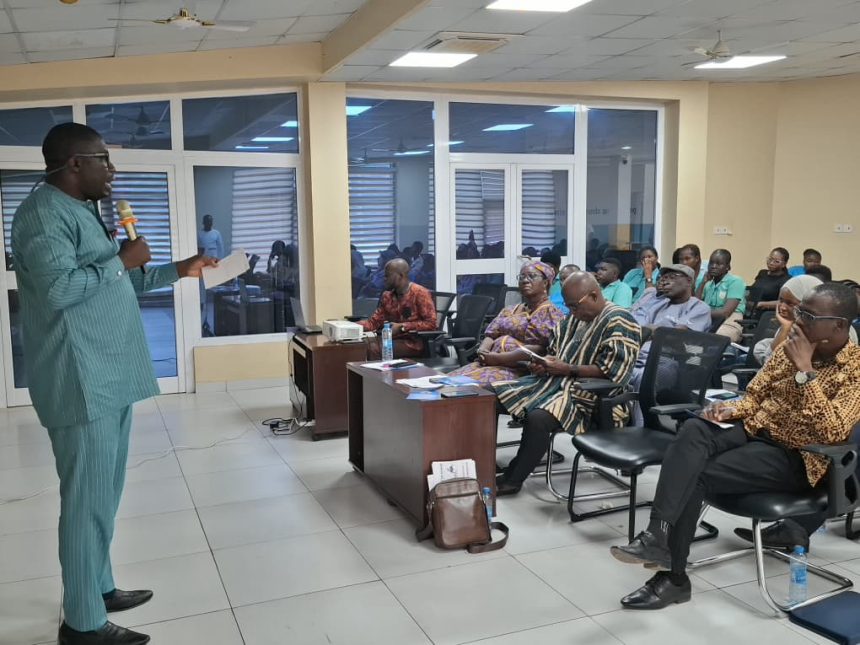
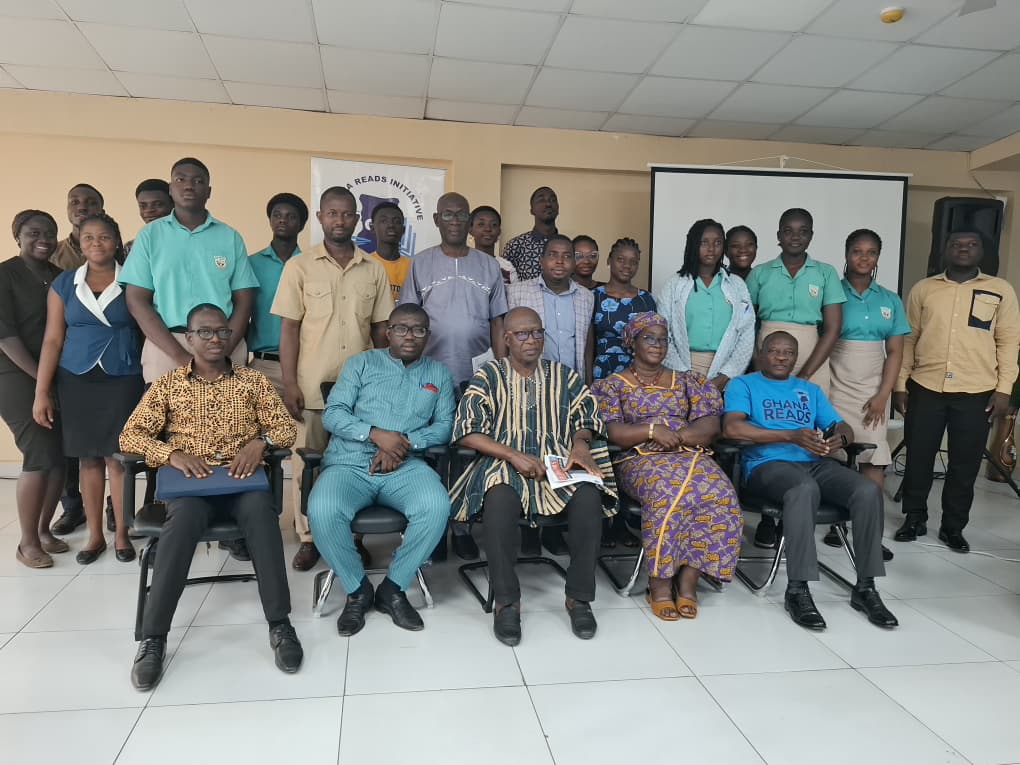
The concerns were raised during the maiden Educational Times Dialogue, organised by the Ghana Reads Initiative in partnership with Adwinsa Publications Limited to mark the International Day of Education.
The forum brought together civil society groups, parent associations, and private school operators to assess the 2025 WASSCE results and propose corrective measures.
Mr Kwasi Nimo Jnr, Programme Officer at Africa Education Watch, presented findings from a post-examination monitoring exercise.
He said that while question leakages had declined due to tighter security, malpractice remained widespread in exam halls, often involving collusion among teachers, invigilators, and candidates.
“In over 70 per cent of cases, irregularities were reported across five or more subjects, despite reduced large-scale leakages,” Mr Nimo noted. He added that only about 20 per cent of supervisors were directly appointed and resourced by WAEC, leaving most supervision to the Ghana Education Service (GES), which created conflicts of interest.
The Africa Education Watch recommended stronger sanctions against culpable teachers, improved external supervision, strict enforcement of the mobile phone ban in schools, investment in examination infrastructure, and gradual adoption of e-testing to curb malpractice.
Mr Albert Koomson, National Director of the Ghana Reads Initiative, said the dialogue aimed to provide an evidence-based platform for improving education outcomes and accountability.
“We will compile a communiqué from today’s proposals to present to the Minister of Education and the Ghana Education Service and ensure follow-up,” he added.
The National Council of Parent-Teacher Associations (PTA) attributed the decline to weak basic education, poor infrastructure, low teacher motivation, and student indiscipline.
Mr Gapson Kofi Raphael, General Secretary, called for teacher retraining, enhanced supervision, and greater parental involvement, stressing that institutionalised cheating must be addressed.
From the private sector, Mr Samuel Osei, Director of Finance at the Ghana National Council of Private Schools, advocated diversified academic pathways and diagnostic assessments to identify students’ strengths instead of relying solely on high-stakes exams.
Madam Tina Aforo-Yeboah, Chairperson of the Ghana Reads Initiative, described the 2025 WASSCE results as a “wake-up call,” highlighting declines in Mathematics and Social Studies, and urged stakeholders to adopt bold, non-partisan measures to reverse the trend.