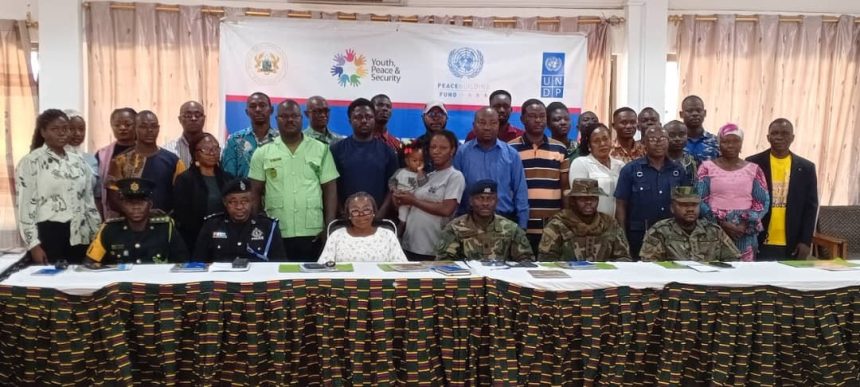
Stakeholders at a consultative workshop in Bolgatanga have called for the meaningful inclusion of young people in national and local decision-making processes, to strengthen peacebuilding and sustainable development.
They said the youth, who constituted a significant proportion of Ghana’s population, must be recognised not merely as beneficiaries of development interventions, but as equal partners and leaders in shaping policies that affect their future.
The stakeholders included United Nations agencies, the National Youth Authority, the Departments of Gender, Children and Social Protection, and Community Development, the National Peace Council, other state institutions, civil society and non-governmental organisations, the media, and youth groups.
They made the call during a consultation workshop on the Ghana National Action Plan on Youth, Peace and Security (NAP-YPS), organised by the National Youth Authority, with funding from the United Nations Peacebuilding Fund through the United Nations Development Programme (UNDP) and the United Nations Population Fund (UNFPA).
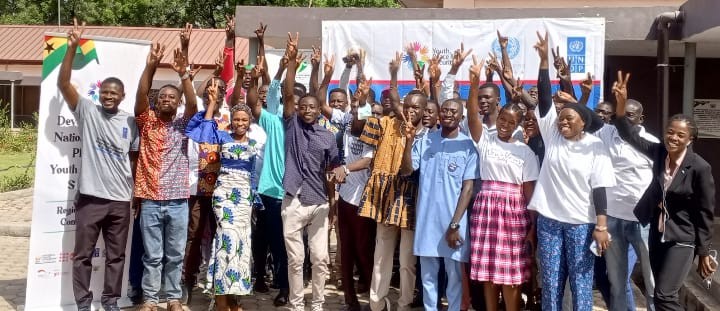
Through the UN Peacebuilding Fund, UNDP is supporting youth-only and multi-stakeholder consultations across the Upper East, Upper West, Northern, and Savannah Regions, in partnership with the Government of Ghana, particularly the National Youth Authority, and other key stakeholders.
The consultations created structured spaces for listening, validation, and co-creation, where the perspectives and priorities of young people meaningfully shaped national peace and security priorities.
The process is firmly anchored in United Nations Security Council Resolution 2250 and Ghana’s commitment to sustainable peace, a journey that places young people at the heart of shaping peaceful, cohesive, and resilient communities.
The plan is expected to provide a coordinated framework for addressing the root causes of fragility, including youth exclusion, unemployment, and limited participation in governance, while linking national policies to local realities.
Mr Francis Takyi-Koranteng, the Upper East Regional Director of the National Youth Authority (NYA), said young people had often been marginalised in governance and peace processes, except when they were linked to violence or social unrest.
“Looking at the 2021 Population and Housing Census, the youth form a greater proportion of our country’s population. If you take out the youth, then there is no future. So why are they not part of the decisions that will create a better future for all of us?” he asked.
Mr Takyi-Koranteng noted that the Upper East Region continued to experience pockets of violence, including land disputes, chieftaincy conflicts, and domestic tensions.
He stressed that peace was a prerequisite for development and emphasised that the voices of young people were critical in addressing these challenges and ensuring lasting stability in the region.
A statement from UNDP reiterated the need to place young people at the centre of Ghana’s peace and security architecture, especially as the country worked towards achieving the 2030 Agenda for Sustainable Development.
The statement said young women and men across Ghana were already contributing to peacebuilding efforts through mediation, early-warning systems, conflict management, and community development initiatives, and should therefore be empowered to influence policy formulation and implementation.
“The YPS National Action Plan will, among other things, provide a nationally owned framework to align peacebuilding, governance, and development efforts, and to ensure that investments translate into lasting institutional and community-level impact.
“We remain firmly convinced that young people are not passive beneficiaries of development; they are equal partners, innovators, and leaders in shaping the future,” it added.
Participants at the workshop expressed optimism that the process would translate into concrete opportunities for youth leadership and participation in peacebuilding and governance structures at all levels.
Ms Fauzia Ayinpogbila Issifu, the Upper East Regional Assistant Programmes Manager of the National Peace Council, lauded the initiative and said that the gainful engagement of the youth would strengthen peace efforts.
Mr James Twene, the Acting Upper East Regional Director of the Department of Gender, said unemployment was a major driver of youth involvement in conflicts and stressed the need to harness the potential of young people to promote peace.