The abrupt withdrawal of international aid and donor support across Africa, including Ghana, is severely undercutting the completion and long-term sustainability of key development projects, a new study has established.
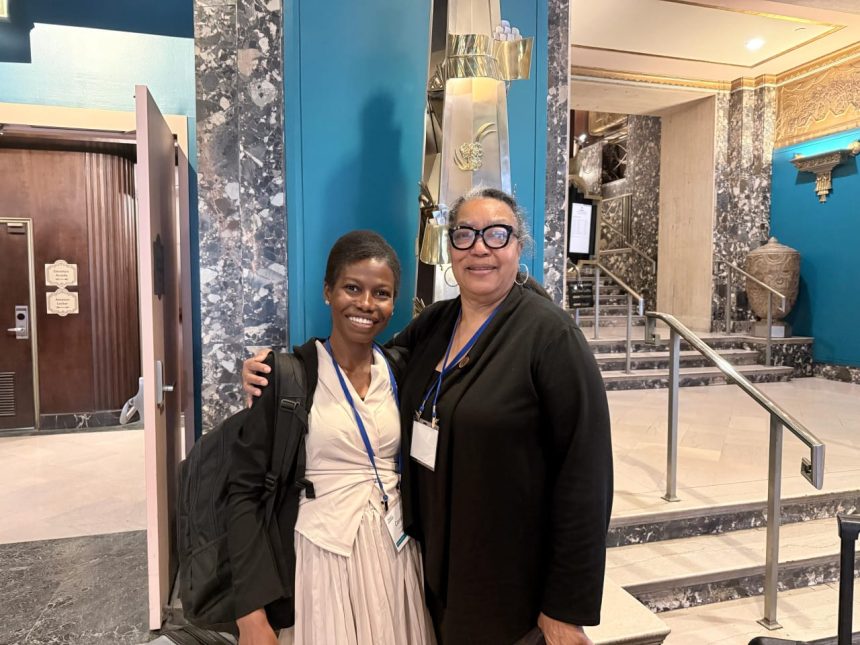
The research, conducted by Madam Comfort Ninson, a PhD student in Leadership and Organisational Development at the University of Georgia, highlights the growing struggles communities faced as externally funded projects continued to stall owing to the lack of financial support.
Speaking to the Ghana News Agency (GNA) during a fieldwork in Agona Swedru in the Central Region, Madam Ninson explained that development initiatives in sectors such as education, water and sanitation, agriculture, women empowerment, and health were now at risk as donor funds diminished across the continent.
Thus, she made a strong case for the need to rebalance power within the international development space, urging both donors and local stakeholders to rethink their roles.
Furthermore, she entreated non-profit organisations to reform their approaches and strengthen partnerships that empowered communities rather than create dependent aid.
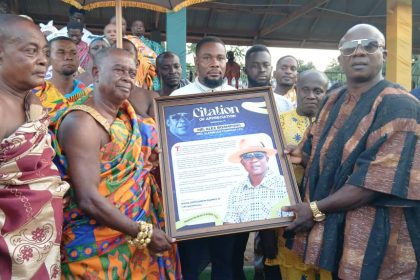
Madam Ninson, an alumna of the University of Cape Coast (UCC), toured six communities in the Central Region to assess how local stakeholders were coping with incomplete projects and the burden of maintaining them.
Her study, supervised by Professor Juanita Johnson-Bailey, adopted a participatory inquiry approach, which involved residents not as subjects but as co-researchers.
Community members actively contributed to the research design, data collection, and analysis, reflecting a shift toward shared ownership of development knowledge.
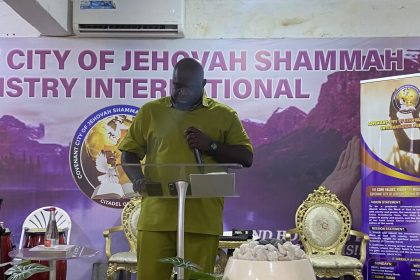
Aside from the problem of inadequate funding, workshops involving traditional authorities, religious leaders, youth and women’s groups, political representatives, and sector officials further revealed a raft of other challenges affecting project sustainability.
They included mismanagement, weak accountability structures, power struggles, and conflicts among local leaders.
Despite these hurdles, some communities demonstrated resilience by maintaining existing structures and showing strong commitment to sustaining stalled projects.
The participants emphasised the need for Africans to be disabused of the colonial mindset, offer stronger stewardship, and ensure collective responsibility towards the management and sustainability of projects.
Many also argued that true sustainability could only be achieved when communities took charge of their own development and stopped depending on foreign assistance.
Madam Ninson indicated that using a world-building approach during the discussions, community members identified practical solutions and new ideas that had not emerged before the research process.
“This led to the adoption of a slogan, “Yen ye ara, ye botum aye,” meaning “we can make the change,’ which resonated across all participating communities as a call for self-driven development,” she said.
She maintained that local resilience and collective action remained critical for sustaining development projects and advancing Ghana’s broader nation-building efforts.