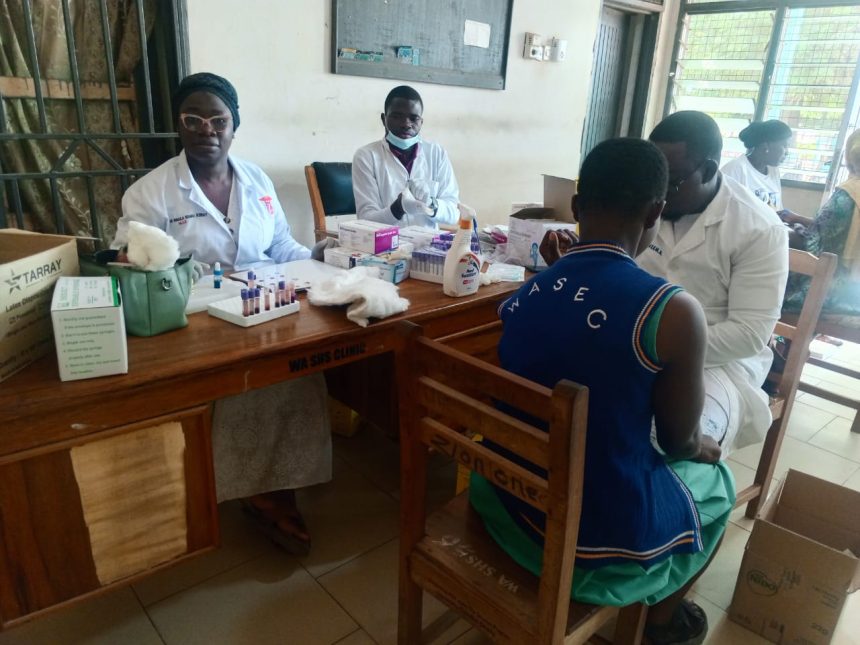
MTN Ghana Foundation, at the weekend, facilitated a blood donation exercise in the Upper West Region involving students in second-cycle institutions as part of activities to mark this year’s Valentine’s Day celebration.
A total of 251 units of blood were mobilised in the region during the exercise to help boost blood stocks in the region for enhanced healthcare delivery, especially during emergencies.
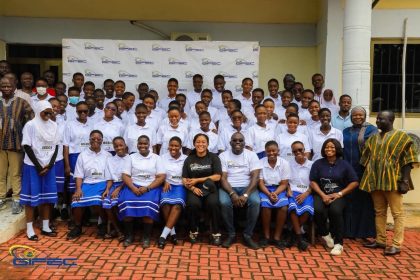
The exercise was held at five locations in the region – Wa Senior High School, Wa Technical Institute, Naa-Momori Technical Institute, Lawra Senior High School and St. Francis Girls’ Senior High School.
A total of 74 units of blood were mobilised at the Naa-Momori Technical Institute, 40 at the Wa Technical Institute, 44 at the Wa SHS, 43 at the Lawra SHS and 50 at the St Francis Girls’ SHS.
MTN Ghana indicated that the exercise in the region was to contribute to the company’s target of 7,000 units of blood to support the national blood bank.
It had been an annual exercise by MTN Ghana for the past 15 years, themed “Save A Life”, as part of its efforts to show love to its customers and the public on Valentine’s Day.
Dr. Nuhaila Issaka Koray, the Deputy Laboratory Manager at the Wa Municipal Hospital, indicated that the intervention would help improve blood stock in the region for emergency cases such as accidents and labour cases.
“Unlike drugs, which we have industries that manufacture them, with blood, now, science still hasn’t been able to produce blood such that when we need blood, we could go to the pharmacy shop and get it.
Human beings are the living factories of blood, and it is for that reason that we always encourage people to come and support us so that we have blood in our banks at all times”, she observed.
Dr. Koray stressed that health facilities depended entirely on voluntary donors to maintain adequate supplies in their blood banks and commended MTN Ghana and its partners for the support in that regard over the years.
She described the gesture as timely, particularly as Ramadan approached, with people’s generally unwillingness to donate blood during fasting periods, which made it more difficult for health facilities to secure adequate supplies during those periods.
Dr. Koray encouraged other organised groups and the public to emulate the example of MTN Ghana by participating in voluntary blood donation exercises.
She also urged individuals to voluntarily visit the nearest blood banks to donate, noting that consistent voluntary donation remained the most reliable means of ensuring that lives are saved during critical medical emergencies.
GNA