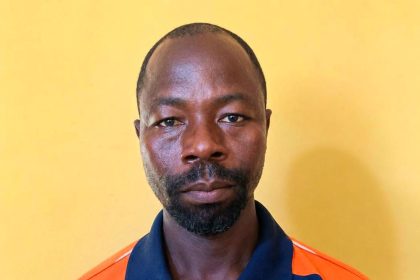
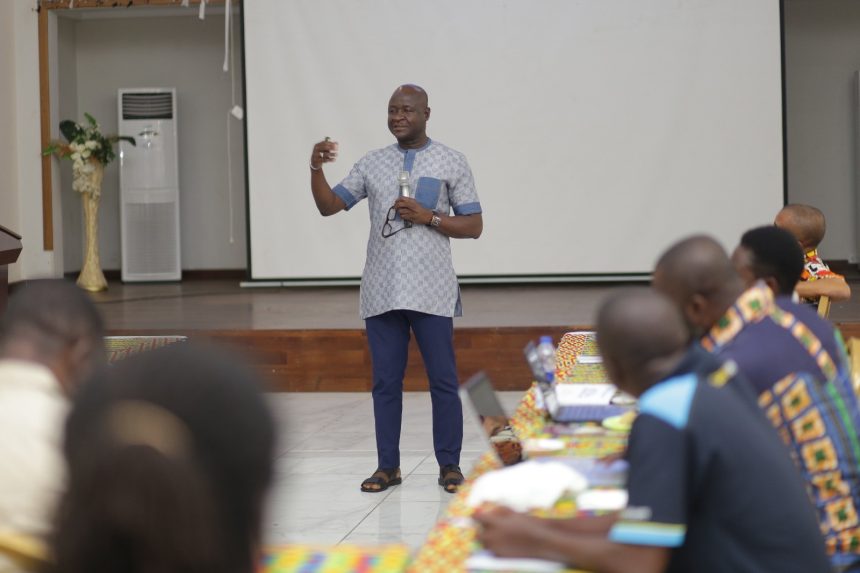
Mr Abubakari Adamu, a specialist in Safeguarding and Child Protection at Plan International Ghana, has urged journalists to prioritise the safety, dignity and well-being of children and vulnerable persons in all forms of reporting.
He said safeguarding was both a moral and legal obligation that must guide every stage of media engagement.
Mr Adamu was speaking at the 2026 Media Training on Sensitive Gender Reporting, organised by Plan International Ghana at the Eastern Premier Hotel in Koforidua on Tuesday.
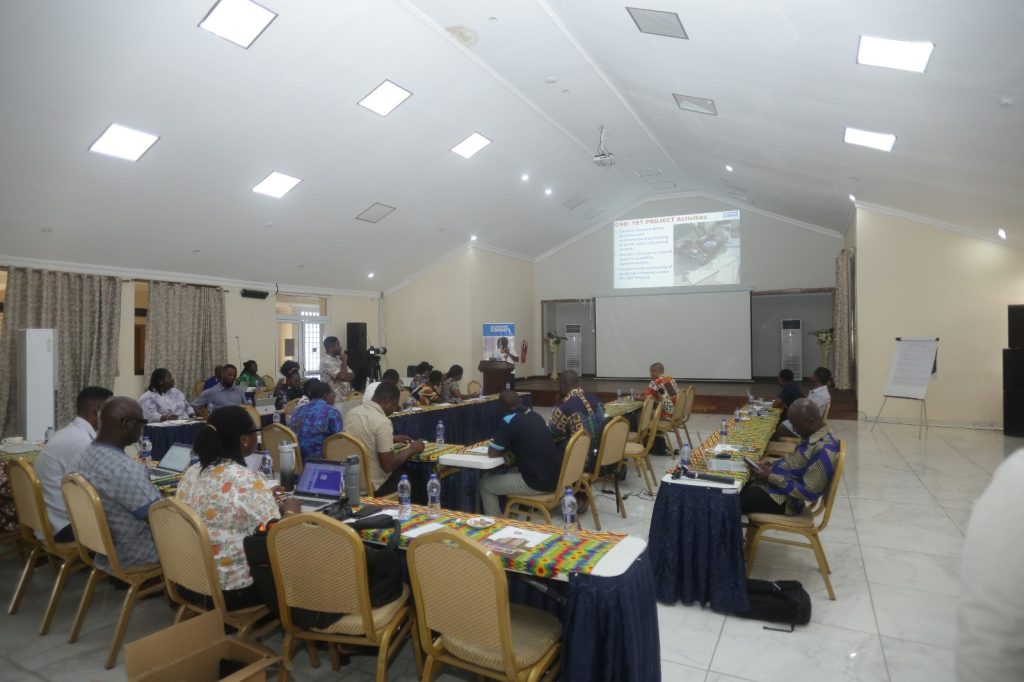
He explained that safeguarding involved preventing, responding to and referring concerns of harm, violence, sexual harassment, exploitation and abuse affecting children and programme participants.
“As a child rights organisation, and in line with the UN Convention on the Rights of the Child, we have a commitment to do no harm,” he stated.
He reminded journalists that story value should never outweigh child wellbeing and cautioned against sensationalism, stereotyping and exposing identities, particularly in cases involving survivors of violence and children in conflict situations.
Journalists working with organisations such as Plan International Ghana, he said, must act in the best interest of the child, ensure informed consent and maintain confidentiality.
For children under 18 years of age, parental or guardian consent must be obtained in conjunction with the child’s assent, with the right to withdraw at any time.
Mr Adamu highlighted persistent risks facing children in Ghana, including child marriage, teenage pregnancy, sexual and gender-based violence, child labour, trafficking and cyber violence.
With over 10 million internet users in Ghana, he noted that children were increasingly exposed to online abuse and digital exploitation.
Although Ghana had laws such as the Children’s Act, the Domestic Violence Act and the Human Trafficking Act, he said implementation gaps continued to undermine child protection efforts.
On sexual exploitation and abuse, Mr Adamu urged journalists to recognise that perpetrators often occupied positions of trust and could come from any background.
The organisation’s Global Safeguarding Policy, he said, prohibited sexual activity with persons under 18, exchange of money or goods for sexual favours, and the accessing or sharing of abusive images of children.
“Mistaken belief about age is not a defence,” he noted.
Mr Adamu stressed that reporting safeguarding concerns within 24 hours through appropriate channels was mandatory, adding that it was not the duty of journalists to investigate allegations but to report them promptly and confidentially.
Participants were guided on responding to child disclosures of abuse: listen calmly, avoid probing for details, promise confidentiality, reassure the child and report immediately.
On ethical interviewing and visual storytelling, he advised journalists to use age-appropriate language, conduct interviews in safe settings, and protect identities where necessary, while avoiding harmful imagery or pressuring individuals for graphic details.
Mr Adamu urged journalists to examine their own biases and cultural assumptions when reporting on gender and child-related issues.
He emphasised that safeguarding required knowledgeable and committed professionals dedicated to creating safe environments.
“At Plan International, safeguarding is not just what we do, but who we are,” he said.
Mr Adamu encouraged journalists to champion responsible reporting that advances children’s rights without exposing vulnerable individuals to further harm.