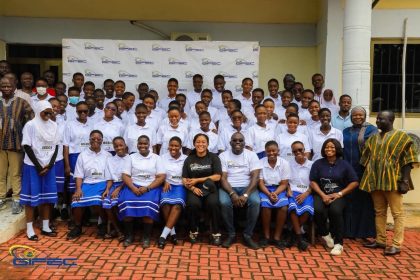
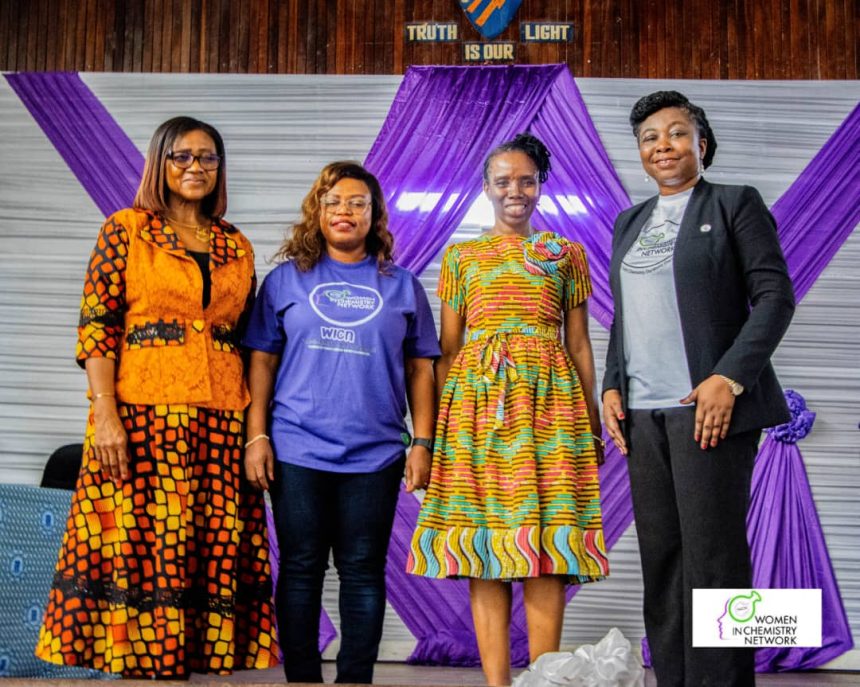
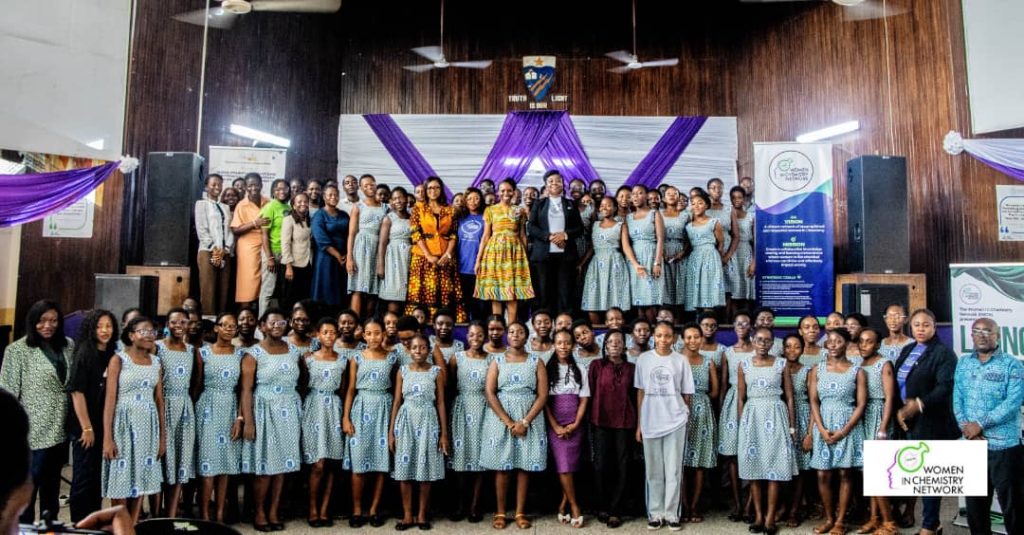
The Women in Chemistry Network has marked the 2026 International Day of Women and Girls in Science with an outreach at Akosombo International School, urging sustained efforts to bridge gender gaps in science, technology, engineering and mathematics.
The programme also featured the Union of Pure and Applied Chemistry Global Women’s Breakfast.
The event, held on the themes: “From Vision to Impact: Redefining STEM by Closing the Gender Gap” and “Many Voices, One Science,” saw more than 100 students, teachers, researchers and professionals participating.
Mrs Sarah Freda Adei, the Headmistress of AIS, who chaired the programme, said the celebration provided a platform to empower girls and nurture future women scientists.
“The school has instituted a Best Female Student in Chemistry Award to encourage girls to develop interest in science and leadership,” she said.
Professor Marian Asantewah Nkansah, Founder and Convener of the Women in Chemistry Network (WICN), called for sustained advocacy to close gender gaps in science, technology, engineering and mathematics.
The Network’s activities include mentorship programmes, excellence awards, male champions initiatives and school outreach.
She announced plans to launch the Women in Chemical Sciences Education Support later this year and appealed for support to ensure its success.
Professor Elsie Effah Kaufmann, Dean of the School of Engineering, University of Ghana, urged participants to focus on evidence-based action to address gender inequality in STEM.
She said: “Women make up about 25 per cent of Ghana’s technical and engineering workforce, and this figure reflects a gap despite improved access to education.”
Emerita Professor Mary Garson, President of the International Union of Pure and Applied Chemistry, in a solidarity message, commended the WICN for hosting the celebration at a high school.
“The Global Women’s Breakfast connects more than 60 countries annually to promote dialogue, mentorship and collaboration among women scientists,” she added.
Dr Latifatu Mohammed Adjah, Secretary of WICN, said diversity drove innovation and problem-solving, noting: “Science is incomplete when women’s voices are excluded.”
She highlighted mentorship and male allyship as key to advancing equity and encouraged students to consider science careers.
Participants called on institutions, educators, researchers and sponsors to collaborate on data-driven approaches to address Ghana’s gender gap in science and engineering.
GNA