
Mr Peter Bismark Kwofie, the Executive Director of the Institute of Liberty and Policy Innovation (ILAPI), says Ghana’s limited fuel reserve capacity is risky in the face of the current crisis in the Gulf Region.
“This is more so for an economy that depends heavily on petroleum products for transportation, energy production and industrial operations,” he explained.
He indicated that available data from the National Petroleum Authority (NPA) suggests that the country’s fuel reserves could last only about three weeks.
He described the situation as risky for an economy that depends heavily on petroleum products for transportation, energy production and industrial operations.
“Whenever global fuel prices increase, our economy immediately feels the pressure,” he explained.
To mitigate the risk, Mr Kwofie proposed that Ghana expand its strategic petroleum reserves to cover at least 15 months, rather than relying primarily on foreign monetary reserves.
“If Ghana cannot access fuel for more than three weeks, the consequences will be severe and could result in widespread economic hardship,” he warned.
Mr Kwofie also stressed the need for Ghana to increase exports to sustain the recent gains made in stabilising the national currency.
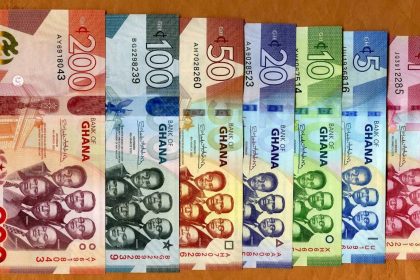
He commended the government for efforts to manage the economy and maintain relative stability in the exchange rate.
“I must commend the government for the work done in stabilising the exchange rate over the past two years,” he said.
However, he noted that long-term stability would depend largely on Ghana’s ability to expand exports and generate more foreign exchange.
“If we export more goods and services, we earn more foreign exchange. That is the only sustainable way to maintain the gains we have achieved,” he said.
Mr Kwofie also encouraged Ghana to explore opportunities to export more food products to countries with limited agricultural production, such as the United Arab Emirates and other Middle Eastern nations.
According to him, these countries rely heavily on food imports from nations like the United States and Mexico, presenting a potential market for Ghanaian agricultural products.
“With proper research and investment, Ghana can strategically position itself to supply food to these markets and earn valuable foreign exchange,” he suggested.