
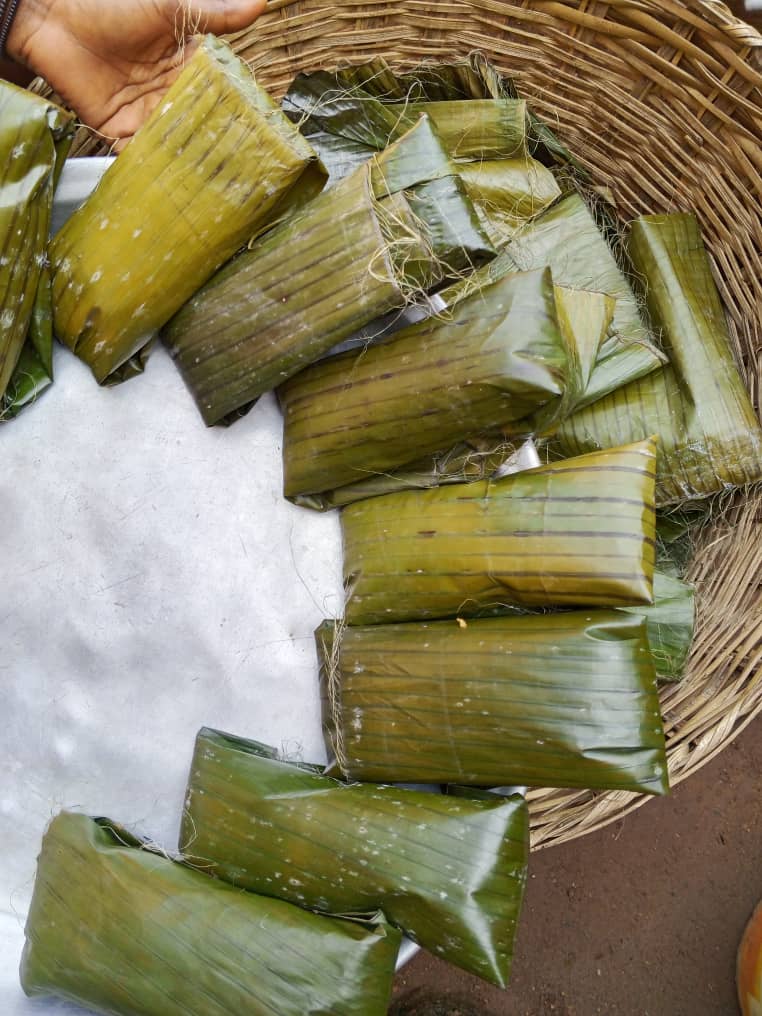
In some Ghanaian bustling markets and lively streets, the aroma of wrapped spicy plantain signals the presence of one of the country’s most cherished local delicacies – ‘Akakle.’
Popular among farmers, workers, students, and travelers, this plantain-based snack is celebrated not only for its irresistible taste but also for its hidden nutritional value.
Origins of a local treasure
Akakle, an Ewe delicacy, is believed to have originated from the forest zones where plantain is widely cultivated, however it is a delicacy in Benin and Togo as well.
Traditionally, ripe plantain was toasted or mashed, and steamed into a soft bite, evolving into the spicy, aromatic snack now enjoyed across parts of Ghana.
Preparation: A culinary art
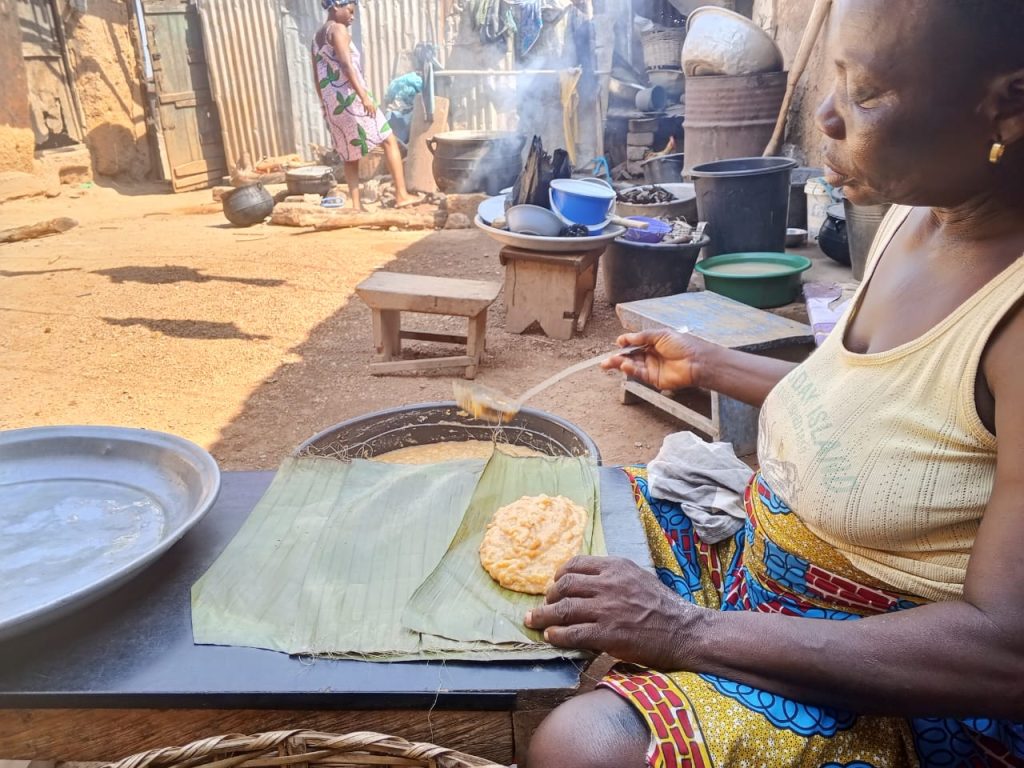
Though it is prepared with simple ingredients, Akakle requires skill to achieve its distinctive taste.
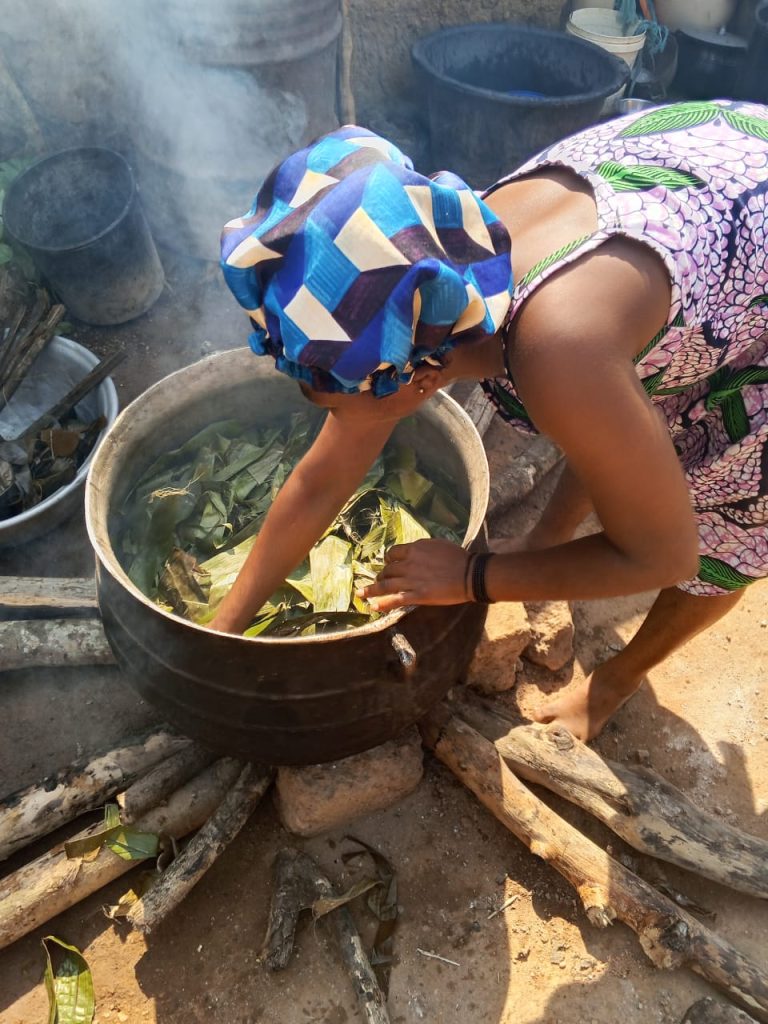
Ripe plantains are peeled, pounded, and mixed appropriately with corn flour, pepper, salt, and water, and the mixture is wrapped in banana leaves and steamed for several hours to arrive at the delicious snack, with long shelve life.
Madam Faustina Dorhame, a 60-year-old producer who inherited the craft from her mother, explained that “Akakle production has sustained my family for decades. It is profitable, and I encourage unemployed youth, especially girls, to learn the trade.”
Vendors’ voices
For many vendors, Akakle is more than food — it is a livelihood. Ms Charity Kaledzi, a vendor in Kadjebi-Asato, said, explaining further that its preparation requires the use of very ripe plantain, to get the sweet taste people enjoy and that the pepper and corn flour gives it the aroma that attracts customers.
Another vendor, Ms Janet Agbenyo, said “This work helps me to support my family. Many workers and students buy it because it is affordable and filling.”
Nutritional benefits
Nutritionist David Ebenezer Appiah of the Kadjebi Health Centre highlighted Akakle’s hidden nutritive value with the main ingredient being plantain which is rich in carbohydrates, fibre, magnesium, potassium, and vitamins A and C supporting energy, digestion, heart health, and immunity.
He said the corn flour provides B vitamins and carbohydrates for metabolism and energy with pepper: also high in vitamin C and antioxidants, with capsaicin that boosts metabolism and reduces inflammation, while salt supplies sodium for fluid balance and nerve function, though best consumed in moderation.
Torgbui Azi Gafa III, the Chief of Takuve, recalled Akakle’s role in history, saying “It is nutritious and was carried along during warfares because of its long shelf life.”
Patronage and social value
Akakle continues to enjoy strong patronage in some Ghanaian communities, and it is often served with roasted groundnuts for added protein, it is a favourite among students, workers, traders, and travelers seeking affordable nourishment.
Challenges facing producers
Despite its popularity, Akakle producers face challenges such as seasonal shortages of plantain and banana leaves, as well as limited access to hygienic cooking facilities, and these issues raise concerns about consistency and food safety.
The way forward
Food experts believe that Akakle could gain wider recognition with proper support. Training in hygiene and modern processing, access to small business loans, and packaging innovations could elevate the dish from a local street snack to a proudly marketed Ghanaian product for both domestic and international markets.
A taste of culture and resilience
Beyond its flavour, Akakle represents Ghana’s culinary creativity and economic resilience. For vendors, it is livelihood; for consumers, it is nourishment and convenience.
As Ghana continues to celebrate and promote its traditional foods, Akakle stands out as a reminder that some of the most nutritious and culturally rich dishes are found not in restaurants, but on the vibrant street markets of everyday life.
GNA