The GreenGrowth Ghana Project is intensifying efforts to reform Ghana’s Technical and Vocational Education and Training (TVET) system while promoting green enterprise development in the Upper East Region.
The initiative is positioning skills development as a key driver of inclusive economic growth, particularly as Ghana transitions towards a sustainable and environmentally responsible economy.
The project is being implemented by the Ghana National Chamber of Commerce and Industry (GNCCI) in partnership with the Presbyterian University of Ghana (PUG), with funding support from the European Union.
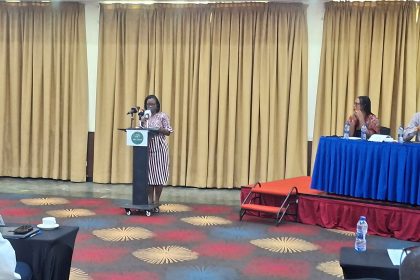
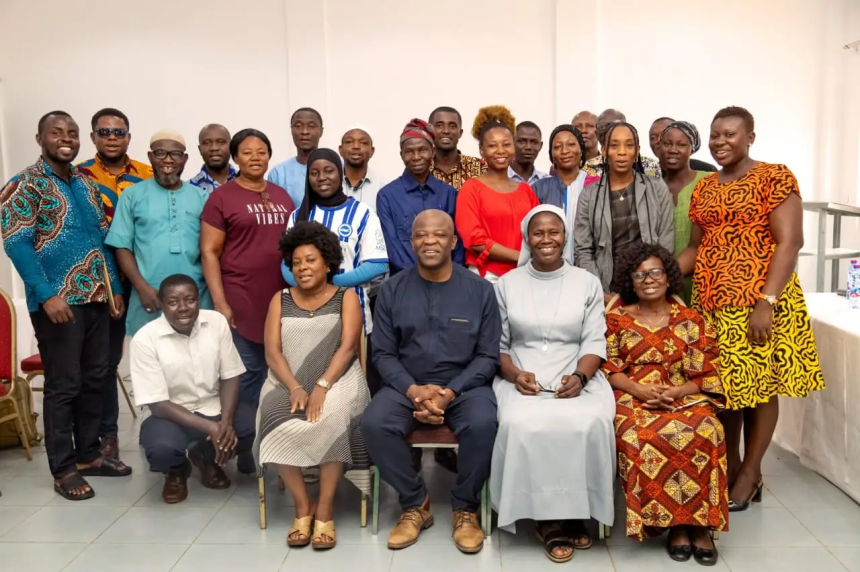
As part of the implementation, the partners convened policymakers, vocational institutions and small enterprises in Bolgatanga for a two-day national dialogue and training programme.
The engagement focused on advancing reforms within the TVET system while strengthening green skills development and enterprise growth across the region.
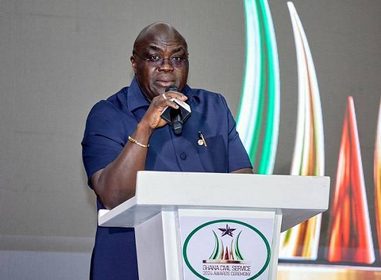
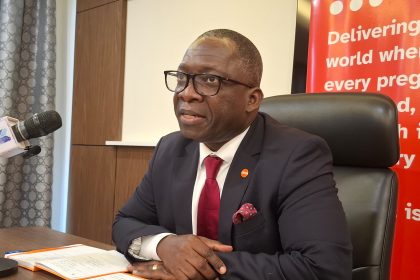
Mr Kabutey Caesar, National Treasurer of GNCCI, described the project as a strategic intervention designed to align vocational training with industry demand in the green economy.
He explained that the initiative seeks to bridge the long-standing gap between skills acquisition and labour market needs, especially in emerging sectors such as sustainable agriculture and circular production.
Mr Caesar commended the EU for its continued support, adding that such partnerships were critical to scaling up opportunities for women and youth in Northern Ghana.
Rev. Dr Christiana Amarchey, Facilitator and Lecturer at PUG, emphasised the importance of integrating innovation, research and practical training into the TVET ecosystem.
She said academia had a crucial role in preparing learners for the demands of a green and circular economy.
The first day of the programme brought together key institutional stakeholders with
deliberations focusing on aligning policy frameworks, training delivery systems and enterprise development strategies with national green growth priorities.
Participants identified major constraints within the TVET system, including outdated equipment, limited financing, weak linkages between institutions and industry, and gaps in quality assurance mechanisms.
A technical session on social financing explored blended finance models and public-private partnership approaches required to sustain investment in vocational education.
The second day of the programme shifted attention to practical training sessions aimed at strengthening enterprise capacity in green and circular economy value chains.
Participants were taken through applied approaches to improving production processes, enhancing market positioning and developing sustainable business models.
The project team also conducted field visits to selected enterprises in the Upper East Region to assess operational challenges and identify areas for targeted intervention.
One of the enterprises visited, Good and Goodness Enterprise, a woman-led agro-processing business, was recognised for adding value to rice, millet, maize, groundnuts and spices.
The assessment revealed that limited access to key processing equipment, particularly roasting and grinding machinery, was constraining production capacity.
Despite these challenges, the enterprise has built a strong model that aggregates produce from local farmers, including women and youth, while providing training and market access.
Project leaders indicated that targeted equipment support would significantly improve productivity, increase output, and strengthen local value chains.
They noted that financial assistance under the project’s grant window would be tied to clearly defined use cases and strict monitoring mechanisms to ensure accountability.
Participants underscored the need for coordinated action among government, TVET institutions, the private sector and development partners to drive Ghana’s green transition.
The GreenGrowth Ghana Project, launched in October 2024, aims to directly support 1,000 women and youth and indirectly impact about two million people through skills development, enterprise support and policy dialogue across multiple regions.