
Miss Louisa Attah Akpoto, Founder and Chief Executive Officer of the Divine Torch Foundation, has called on parents and guardians to stop sidelining girls and instead provide them with equal opportunities as boys.
Miss Akpoto said empowering girls through education, support, and equal treatment was essential for national development and the creation of a more balanced society.
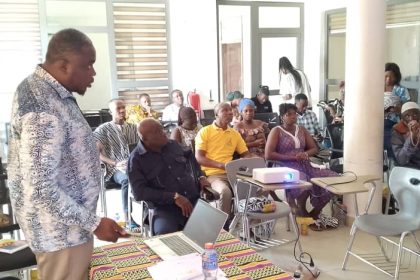
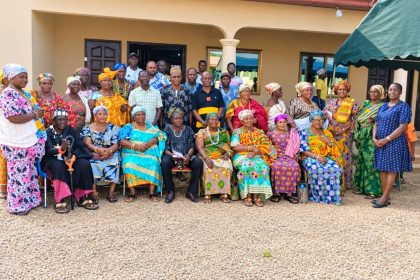
She made the call during a programme organised by the Dede Empowerment Foundation aimed at empowering widows and single mothers and giving them hope for a better future.
Speaking at the event, she observed that many women and girls in society continued to face discrimination and were often denied opportunities to develop their full potential.
According to her, some families still prioritised the education and welfare of boys over girls, a situation she described as unfair and detrimental to societal progress.
She stressed that women, when given the needed support and opportunities, excelled in various fields and contributed significantly to the development of their families, communities, and the nation.
“Girls are equally capable of achieving greatness when they are given the chance. Parents must stop the practice of giving fewer opportunities to girls because it only limits their future,” she stated.
Miss Akpoto urged parents and guardians to invest in the education and wellbeing of girls and encourage them to pursue their ambitions without fear or discrimination.
She also called on stakeholders, including traditional leaders, civil society organisations, and government institutions, to intensify advocacy and interventions aimed at protecting and empowering the girl-child.
The programme brought together widows, single mothers, youth groups, and community members to discuss challenges affecting women and strategies for promoting economic empowerment and social inclusion.
Some participants who spoke to the Ghana News Agency (GNA) commended the organisers for the initiative and stressed the need for continuous support for vulnerable women and girls.
They noted that empowering women and girls would help reduce poverty, improve family welfare, and strengthen community development.