After heavy rains overwhelmed the outdated drainage system at Sekondi Central Prison, inmates were forced to spend hours standing in flooded cells, scooping out water by hand.
The colonial-era facility, built in 1902, was partially transformed into a stagnant pool as water surged through the yard.
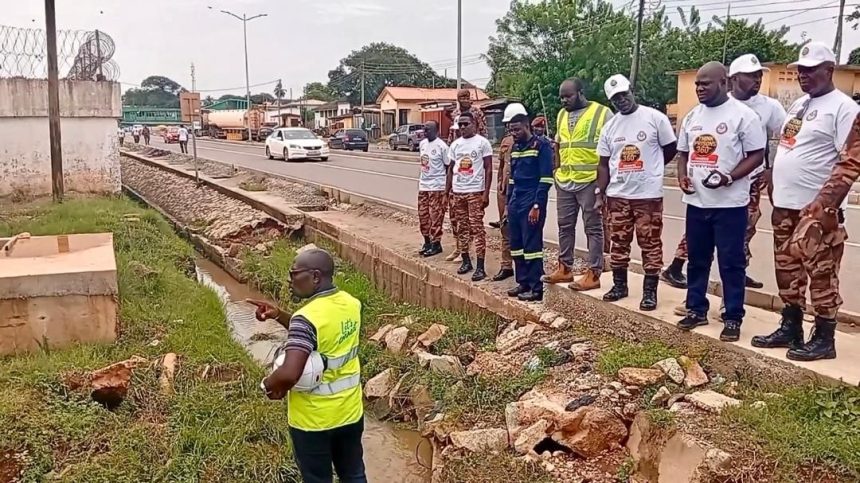
The crisis exposed a chronic infrastructure failure: the prison’s internal drainage channels, already under strain from overcrowding, connect to external outfalls that are too small to handle the flow.
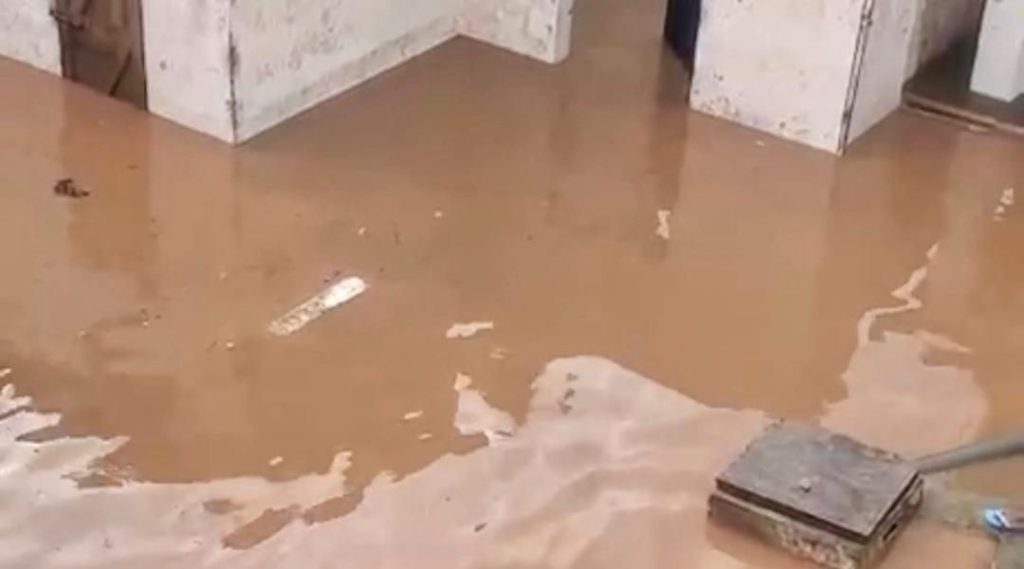
Designed for 150–200 inmates but now holding over 600 people, the prison has no buffer against flooding. Low-lying sections of the yard became submerged, leaving inmates trapped in unsafe, waterlogged conditions for hours on end.
A joint inspection by prison authorities and engineers from Viabuild confirmed the structural flaws.
Edward Lee Aflade, Viabuild’s Health and Safety Manager, explained, “The inner drain carries water into the outfall, but the connecting drains lack the capacity to push it out. So water stays until the flow reduces.” Benedict Bob Derry, Director of Operations and Facility Management, added, “It looks like a bigger gutter was made to run into a smaller one. That’s where the problem lies.”
Derry also noted that the prison’s low elevation worsens the situation. “At the back of the wall, there is an exit point lower than the outside. So when water from outside runs into the yard, it results in flooding.”
Western Regional Minister Joseph Nelson suggested relocation as the only lasting solution. “I’m not saying this because of the flood alone,” he said.
“The location itself makes relocation necessary, somewhere with more space, better security, and away from the city centre.”