Experts have called for a victim-centred approach to tackling human trafficking and other forms of transnational organised crime.
They said victims often faced coercion, threats, psychological manipulation and physical or sexual abuse and should therefore receive protection, support and assistance to recover.
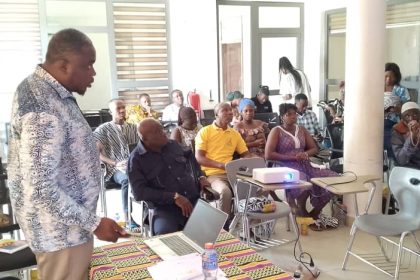
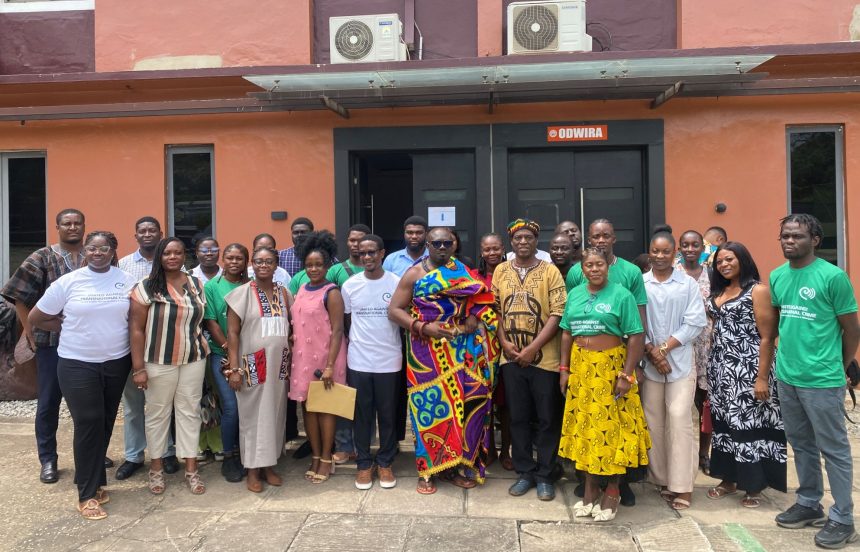
The experts made the call at the national launch of the Civil Society Coalition Against Transnational Organised Crime, Ghana, on the theme: “United Against Transnational Crime: A Civil Society Agenda for Ghana and West Africa.”
The coalition seeks to bring civil society organisations together to coordinate efforts against transnational organised crime, including human trafficking, cybercrime, illicit financial activities, environmental crime, drug trafficking, weapons smuggling, maritime crime, extremism and corruption.
Mrs Ethel Obeng-Treve, a Clinical Psychologist and Founder of Fafanto Psych & Wellness, said the public needed to understand that coercion went beyond physical confinement.
She said perpetrators could use psychological control to prevent victims from seeking help.
They could also threaten victims or their loved ones, withhold passports, impose debts and threaten negative consequences if they contacted authorities.
Mrs Obeng-Treve urged the media to avoid sensationalising victims’ experiences and to protect their identities when reporting such cases.
She said journalists should anonymise victims and carefully consider how stories were framed, as details disclosed in reports could expose them to further harm.
Mrs Obeng-Trev also cautioned against portraying survivors as suspects, saying many had been forced or coerced into activities against their will.
Madam Mavis Serwah Asiemoah, a Legal Practitioner and Managing Partner of AS Amari & Co Chambers, said Ghana had laws to address transnational organised crime but faced challenges with implementation.
She said the Human Trafficking Act, 2005 (Act 694), as amended by Act 784 of 2009, provided mechanisms for the protection and rehabilitation of victims.
“When you rescue a victim, you protect the victim,” she said.
Madam Asiemoah said rescued victims needed safe shelter, medical screening, food and protection from suspected perpetrators while investigations were ongoing.
She said protecting victims was also important to enabling investigators and prosecutors to secure evidence for successful prosecution.
Madam Asiemoah stressed the need to support victims throughout the legal process and compensate them for losses suffered through exploitation.
She urged the public not to be quick to judge people as offenders, saying their conduct could sometimes result from the circumstances in which they found themselves.
Dr Sandra Appiah-Kubi, a Public Health Physician and Specialist at the 37 Military Hospital, said the health effects of organised crime could persist long after victims had been rescued.
She said trafficking could leave victims with physical injuries, sexual and reproductive health problems and psychological disorders requiring long-term care.
“Rescuing them is just the beginning of the whole recovery process. We need to take a step further to help them with their healing process,” she said.
Dr Appiah-Kubi said other forms of transnational organised crime, including drug trafficking and the circulation of fake or substandard medicines, also posed public health risks.
She said drug trafficking could contribute to substance abuse and mental health problems, while fake medicines could worsen illnesses, increase financial hardship and place additional pressure on the health system.
Dr Appiah-Kubi called for a healthcare pathway to ensure that rescued victims received appropriate medical and psychological support alongside investigations.
Madam Justina Asafu-Adjaye, Chief Executive Officer of Eagle Women, said families and communities had an important role to play in preventing people, particularly young people, from becoming victims of organised crime.
She encouraged parents, churches, workplaces and communities to create safe spaces where people could discuss their concerns without fear of judgement.
She urged society to practise an attitude of “we listen, we don’t judge” to encourage people facing threats or suspicious approaches to seek help.
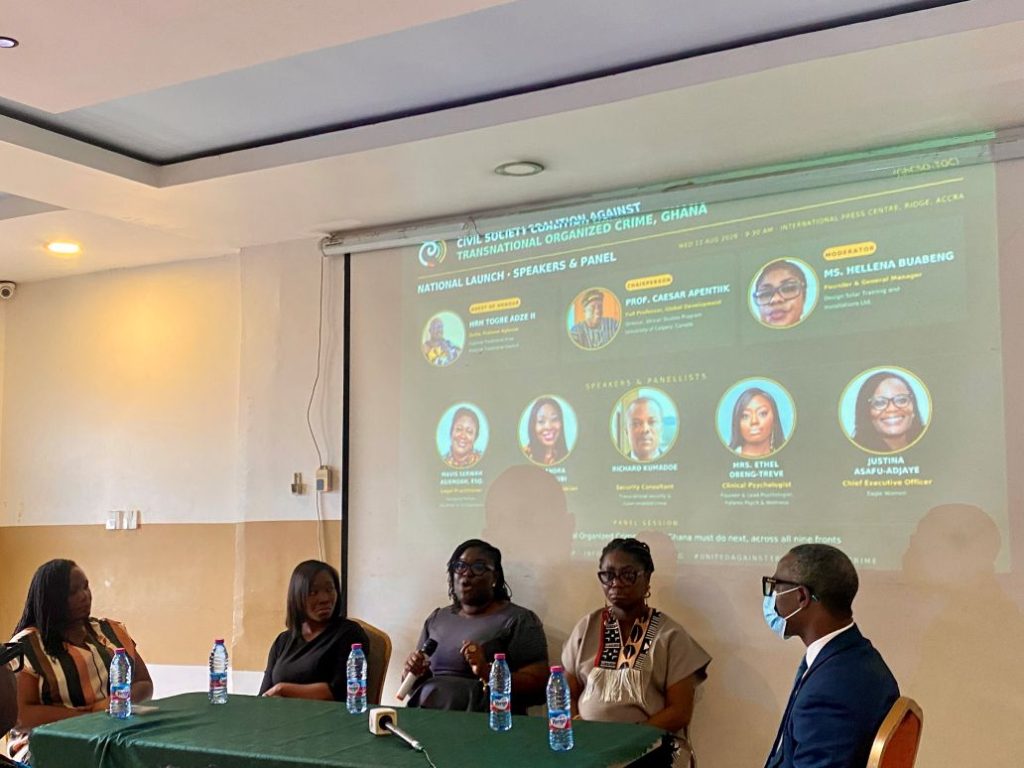
Madam Asafu-Adjaye said organised crime could be presented in attractive forms, including travel opportunities, promises of money and glamorous lifestyles promoted on social media.
She said families needed to maintain open communication with children and young people and teach them to recognise and question potentially dangerous opportunities.
“Let us all start practising. We listen, we don’t judge. In our homes, in our offices, in our churches. We all belong to it together,” she said.
The experts called for stronger collaboration among law enforcement agencies, health professionals, legal practitioners, the media, families, communities and civil society organisations.
They said the response to transnational organised crime should go beyond identifying and prosecuting perpetrators to include prevention, victim protection, rehabilitation and reintegration.
GNA