
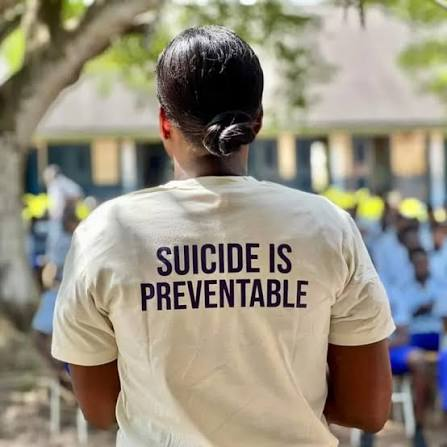
The Ghana Psychological Association (GPA) has called for collective action to prevent suicide, urging citizens, faith communities, civil society organisations and government to treat it as a shared public health and social responsibility.
It said suicide was preventable and required a shift from silence, stigma and fear to compassionate conversations, early intervention and accessible professional support.
A statement issued to mark World Suicide Prevention Day 2026 on Thursday, on the theme: “Changing the Narrative: Creating Hope, Connection and Action,” said suicidal distress could affect people in families, educational institutions, workplaces and faith communities.
It said the burden of suicide was underestimated due to limitations in the registration of suicide-related deaths, making it necessary for the country to strengthen suicide surveillance and reporting systems.
The Association urged the public to be observant of warning signs, including withdrawal from others, expressions of hopelessness, sudden changes in mood or behaviour and loss of interest in work or activities once enjoyed.
It also identified increased use of alcohol or drugs and talking or writing about death or dying as warning signs that required attention.
The GPA said recognising such signs early could facilitate timely intervention and enable people at risk to receive the necessary support.
It said reliable and comprehensive data was critical to informing effective suicide prevention policies and interventions.
Globally, the World Health Organisation (WHO) estimated that about 700,000 people died by suicide each year, with approximately 70 per cent of the deaths occurring in low- and middle-income countries.
The Association noted that suicide was the third leading cause of death among people aged 15 to 29 years, with people living with mental illnesses facing greater risk.
The WHO African Region continued to carry a disproportionately high suicide burden, while access to mental health and psychosocial care remained uneven.
The GPA noted that stigma, limited mental health services, social pressures, and harmful myths in many communities often prevented people from seeking the help they needed.
It called for judgement to be replaced with compassion, silence with conversation, and despair with hope, stressing that timely conversations, professional intervention and caring communities could save lives.
The Association also called for stronger mental health services, improved suicide surveillance, responsible media reporting, and community-based suicide prevention programmes, which could contribute to preventing suicide.
It urged people experiencing suicidal thoughts to speak to someone they trusted and seek support from psychologists, psychiatrists, counsellors, medical practitioners or appropriate emergency services.
The GPA emphasised that having suicidal thoughts did not make a person weak, difficult or beyond help, and advised people supporting someone at risk to take them seriously, remain with them where possible, and help them access professional care.


