Koforidua Technical Institute (KOTEC) and Suhum Technical Institute (STI) have reported a sharp decline in bullying and stronger student support systems under the University of Cape Coast’s Building Resilience Against Violence Engagement in Ghana (BRAVE-GH) Project.
School authorities said the initiative has increased reporting of bullying, improved student wellbeing and strengthened peer support through BRAVE Clubs established in both schools, each comprising 60 trained student members.
The project focuses on bullying prevention, mental wellness, peer support, safeguarding, digital safety, and student leadership.
It is funded by Grand Challenges Canada and implemented by the University of Cape Coast with support from the Centre for Behaviour and Wellness Advocacy and the Centre for Health Research and Policy Innovation.
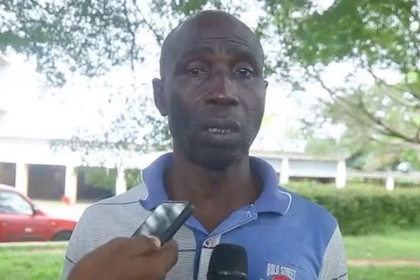
At STI, a school-based assessment conducted under the project recorded an 87 per cent reported reduction in bullying among students, according to Mr Sampson Botchoey, Principal of the institute.
Mr Botchoey said the project had increased awareness of different forms of bullying and encouraged students to report concerns through appropriate channels.
He noted that club members had been trained to identify concerns and refer serious cases to school authorities rather than handling them independently.
According to him, the project had contributed to a decline in physical and verbal bullying, improved student-teacher relationships, and increased awareness of emotional wellbeing among students.
The principal said anti-bullying campaigns, drama activities, poster development and other student-led initiatives had become common across the school.
“We have also observed a reduction in physical and verbal bullying, improved student-teacher relationships, and greater awareness of emotional wellbeing and responsible behaviour among participating students,” he said.
Mr Botchoey stated that the school would sustain the BRAVE Club after the project period.
“As a school, we recognise that the end of the project does not mean the end of our responsibility. We are committed to sustaining the BRAVE Project Club and continuing to promote a safe, supportive, and respectful environment for all our students,” he added.
At KOTEC, Mrs Joanette Armah, Professional Counsellor and Coordinator in the Wood Department, said the programme had encouraged more students to report bullying and seek support.
She explained that many students previously remained silent or left school without seeking help.
“But now, they are bold. Some of them are bold to come out. They are not scared of their colleagues or their seniors. They come out to report the issues,” she said.
Mrs Armah noted that the counselling centre was now receiving more reports because students had developed trust in the support system available.
She recommended that similar programmes be introduced in all second-cycle institutions across the country, saying, “We all need it because bullying is everywhere”.
Miss Anita Chidera Kumsiyochukwu, a student at KOTEC and member of the BRAVE Club, told the GNA the project had helped her overcome shyness and build confidence.
“Before joining the club, I was too shy to speak in public or answer questions. Today, I have confidence in myself and feel stronger. The club has taught me not to allow what people say about me to define who I am,” she said.
Club members were encouraged to extend support to colleagues experiencing anxiety, depression and other emotional difficulties.
Mrs Safoah Okoampa Adu, Gender Coordinator at KOTEC and one of the facilitators, said the programme had helped students understand that bullying was not a normal part of school life.
She indicated that many students previously believed reporting abuse would produce no results, adding: “But now they’ve seen that when they report, something is done”.
The project, she noted, had empowered both girls and boys to seek help when needed and support colleagues facing difficulties.
She revealed that some students had experienced depression and emotional distress because of bullying and required referrals for professional support.
Mrs Adu also said that teachers should receive more training on bullying prevention, noting that some teachers still considered bullying a normal aspect of school life because of their own experiences as students.
Mr Patrick Twum, BRAVE Project Coordinator and Administrator at STI, described the initiative as an important platform for addressing bullying and promoting student wellbeing.
He said the project had created opportunities for schools to reflect on progress made in the areas of bullying prevention, safeguarding, peer support, mental wellness and student leadership.
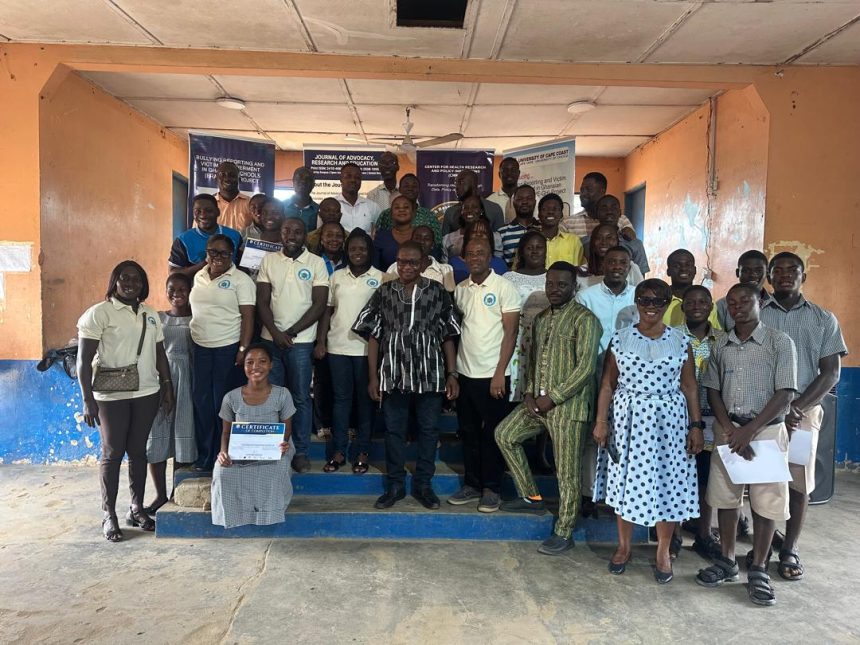
As part of activities marking the final phase of the project, about 600 first-year students at KOTEC and STI took an anti-bullying pledge.
The exercise was led by Madam Mary Tangmee, Eastern Regional Guidance and Counselling Coordinator for TVET.
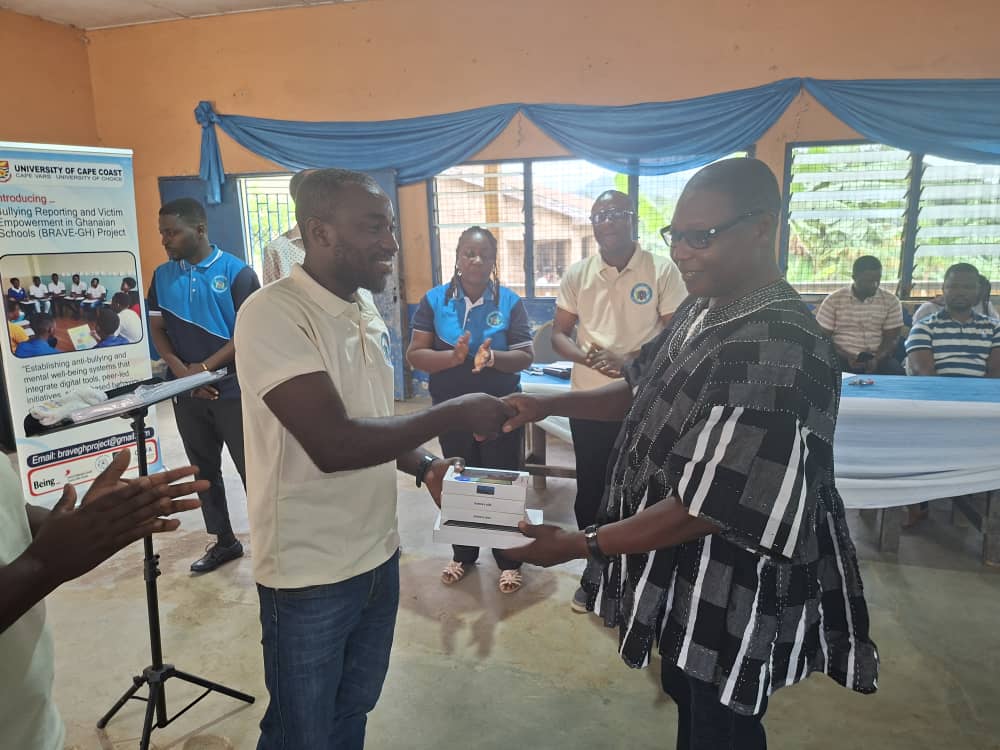
The University of Cape Coast team also handed over digital equipment to BRAVE Club coordinators and facilitators from both schools and partner organisations supporting the project.
The items included Samsung Galaxy tablets, Samsung mobile phones, Lenovo ThinkPad laptops, a broadband router, a Canon digital camera and a projector.
Professor Jacob Owusu Sarfo, Project Lead and Clinical Psychologist at the University of Cape Coast, said the exit meetings formed part of stakeholder engagement activities involving management, teachers, PTA representatives, board members and students.
Certificates were presented to trained BRAVE Club members in recognition of their participation.
He explained that the engagements provided opportunities to review project outcomes and strengthen support for anti-bullying interventions in the participating institutions.
Dr Susana Aba Abraham, Co-Lead of the project, said BRAVE-GH was launched in October 2025 as a pilot intervention in KOTEC and STI.
She explained that sustainability measures were built into the programme from the outset through collaboration with school authorities, teachers and students.
Dr Abraham said the clubs had become permanent structures within the schools and would continue to train new student leaders every year.
She noted that feedback from the schools showed the initiative had helped students stay in school, increased reporting of bullying incidents, and strengthened referral systems.