Stakeholders in the country’s groundnut sector have called for strong collaboration to address production challenges, improve access to quality seeds and meet market demands to enhance productivity and increase the economic value of the crop.
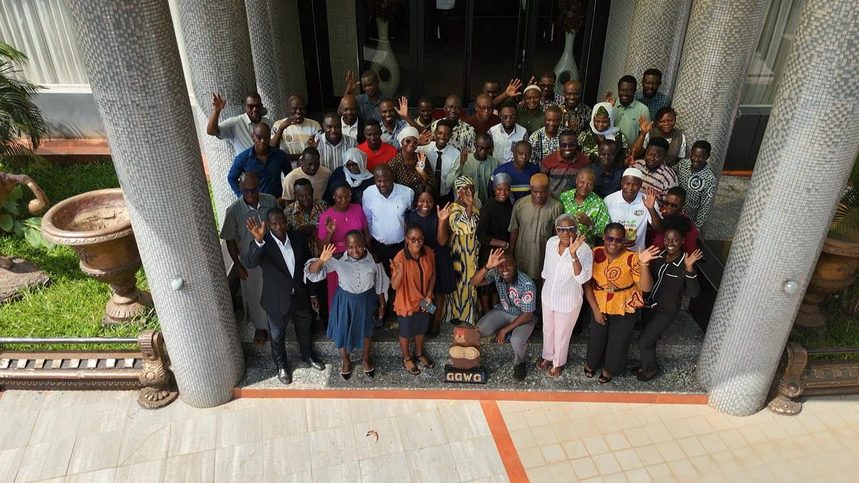
This was the core of the discussions at the eighth meeting of the Ghana Groundnut Working Group (GGWG), held in Tamale to explore ways of translating scientific research and industry experience into practical solutions to improve groundnut production and strengthen its value chain.
The meeting, held on the theme: “Converting Scientific Efforts into Increased Productivity amongst Groundnut Farmers”, was attended by representatives from research institutions, academia, government agencies, seed producers, processors, development partners and students to deliberate on challenges and opportunities in the sector.
Discussions focused on improved groundnut varieties, access to quality seeds, disease management, drought tolerance, post-harvest mechanisation, processing quality and market requirements as well as the need to strengthen linkages between researchers and industry players.
Dr Francis Kusi, Director, Council for Scientific and Industrial Research-Savanna Agricultural Research Institute (CSIR-SARI), whose speech was read on his behalf by Dr Richard Oteng-Frimpong, a Research Scientist at CSIR-SARI, said it provided opportunity for stakeholders to share knowledge, identify production constraints and develop collective solutions.
He said collaboration amongst players in the sector was critical to addressing factors limiting yields on farmers’ fields and challenges affecting other segments of the groundnut value chain.
Dr Jerry Nboyine, a Research Scientist at CSIR-SARI said the GGWG, established in 2019 to bring together people with diverse expertise and experience to contribute to the development of the groundnut industry, had evolved beyond a research-focused platform to include stakeholders in production, processing, marketing and policymaking.
He said it sought to build a functional groundnut industry through coordinated efforts amongst all actors along the value chain.
Alhaji Fataw Alhassan of SM Ghana Limited, who made a presentation on the perspective of the private sector, highlighted challenges in sourcing groundnuts that met buyers’ quality requirements, especially moisture content and aflatoxin contamination.
He said improving production alone would not be sufficient unless farmers also adopted practices that ensured the crop met the quality standards required by processors and other market players.
Researchers also outlined ongoing efforts to develop improved groundnut varieties with desirable characteristics including early maturity, high oil content and resistance to diseases.
The discussions also highlighted the importance of early-generation seed production and multiplication to ensure that improved varieties were available and accessible to farmers in sufficient quantities.
The meeting also provided a platform for graduate and undergraduate students to present research on emerging approaches to addressing production constraints.
Their presentations included the application of drone imagery and machine learning in disease detection, identification of drought-tolerant groundnut genotypes, disease management and weed control.
Other presentations examined gender considerations in groundnut production, post-harvest mechanisation, the nutritional value of groundnut and indigenous innovations adopted by farmers.
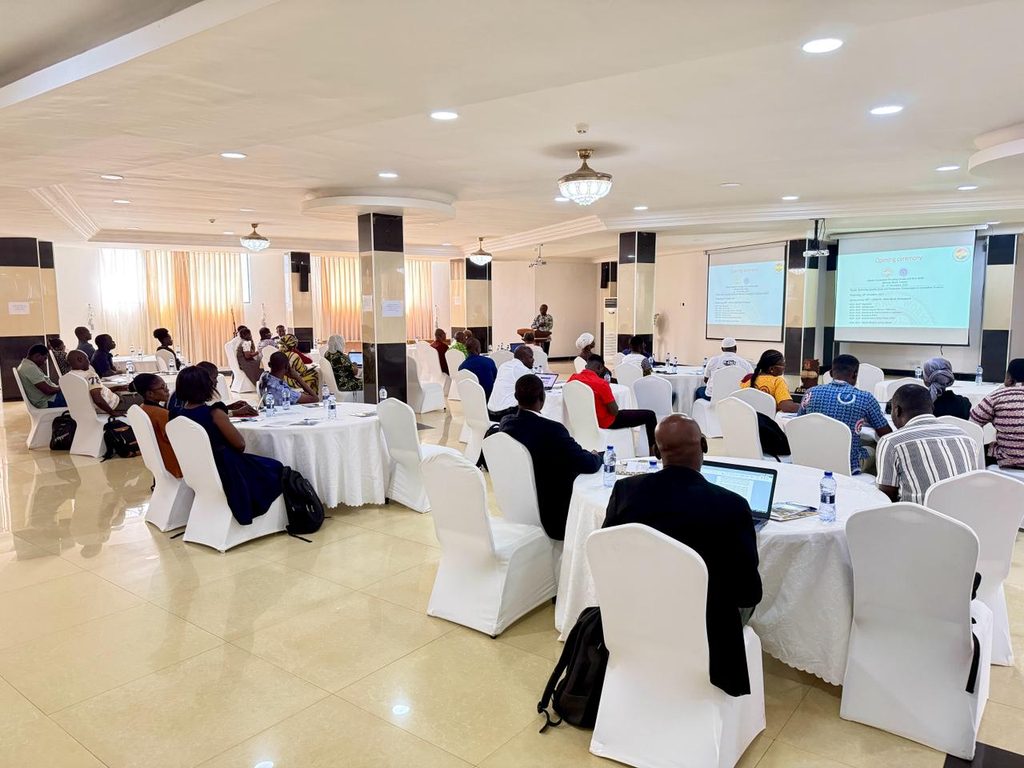
Mr Abdul-Fataw Alhassan of the Ministry of Food and Agriculture’s Statistics, Research and Information Directorate presented groundnut production statistics, which generated discussions on regions and districts with significant production potential that were yet to realise their full capacity.
GNA