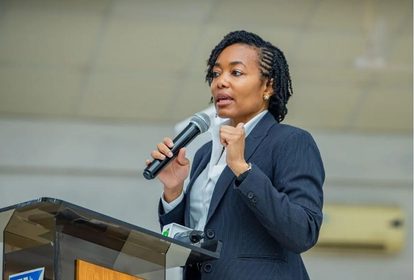
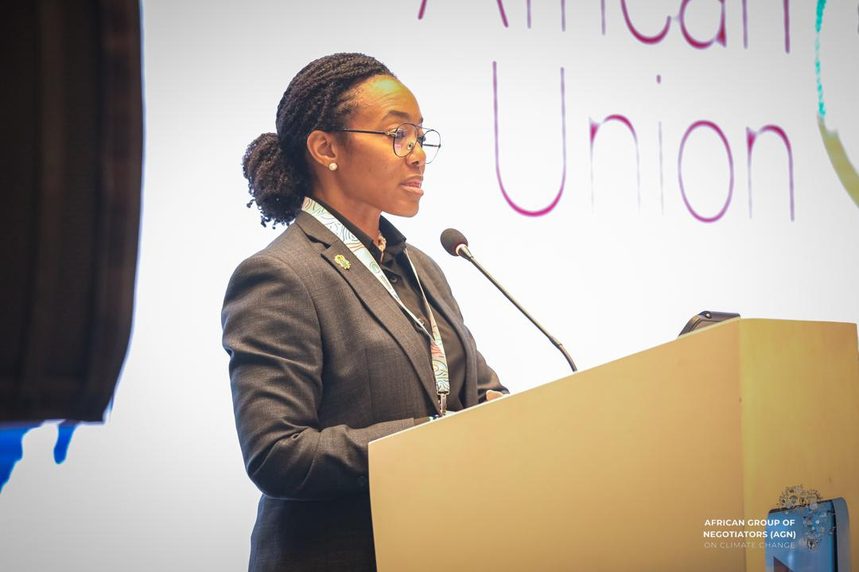
Dr Zanetor Agyeman-Rawlings, Minister of Environment, Science and Technology, has cautioned African countries to reject new climate obligations without adequate financial and technical support, insisting that the continent must maintain a united position at COP31.
She said African ministers should defend three key conditions during the conference’s high-level segment: no reversal of the commitment to triple adaptation finance, no additional obligations without the means to implement them, and no double-counting of climate finance or reliance mainly on loans.
Dr Agyeman-Rawlings made the remarks at the African Ministerial Conference on the Environment (AMCEN) High-Level Ministerial Consultative Meeting, held on the margins of COP31 in Antalya, Türkiye.
She said Africa had fulfilled its responsibilities by presenting credible Nationally Determined Contributions (NDCs), developing carbon markets and setting out clear climate action plans, but continued to face a shortage of the resources promised to support their implementation.
The Minister said African countries should not be expected to take on further climate commitments without the finance, technology and capacity-building support required to deliver them.
She also stressed that climate finance must be genuine and accessible, warning against arrangements that counted the same funding more than once or placed developing countries under additional debt through loans.
Dr Agyeman-Rawlings called on African ministers to speak with one voice during the negotiations, describing the continent’s unity as its strength in Antalya.
She pledged Ghana’s support for the Chair of the African Group of Negotiators Nana Dr Antwi Boasiako Amoah and other African delegations until the conclusion of the conference.
She said Ghana would also carry Africa’s climate demands from Antalya to Addis Ababa, as it prepared to assume the expected chairmanship of the African Union in 2027.
The AMCEN meeting also considered key issues under negotiation at COP31, including climate finance, adaptation, just transition and the links between climate change and international trade.
Ministers were also expected to receive a briefing from Ethiopia on preparations for COP32, scheduled for Addis Ababa in November 2027, and discuss the support required from African countries to ensure its success.
The meeting was further expected to consider preparations for a joint session involving African Ministers of Environment and Ministers of Finance, Planning and Economic Development, scheduled for March 17 to 23, 2027, in Addis Ababa.
Dr Agyeman-Rawlings urged African ministers to seek concrete financial commitments and a clear plan for their delivery at COP31, rather than leave the conference with declarations unsupported by resources.
The 31st Conference of the Parties to the United Nations Framework Convention on Climate Change (COP31) is the annual global climate summit where governments, international organisations, scientists, civil society groups and other stakeholders meet to negotiate action on climate change.
The conference provides a platform for countries to review progress under the Paris Agreement, negotiate outstanding climate issues and agree on measures to reduce greenhouse gas emissions, adapt to climate impacts and support countries that are particularly vulnerable to climate change.
The major issues include, Climate finance, Adaptation, Loss and damage, Just transition, Energy transition and Climate and trade
GNA