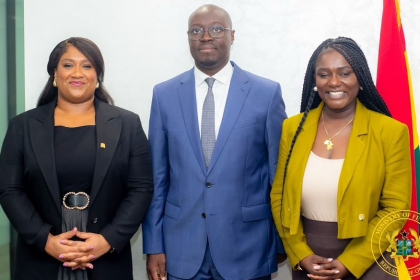
Vice President Professor Jane Naana Opoku-Agyemang has called on African leaders and institutions to translate trade agreements and policy commitments into concrete action to unlock the continent’s full economic potential.
She said Africa had laid a strong foundation for integration through frameworks such as the African Continental Free Trade Area (AfCFTA), but emphasised that results would depend on disciplined implementation, continuity and coordination across borders.
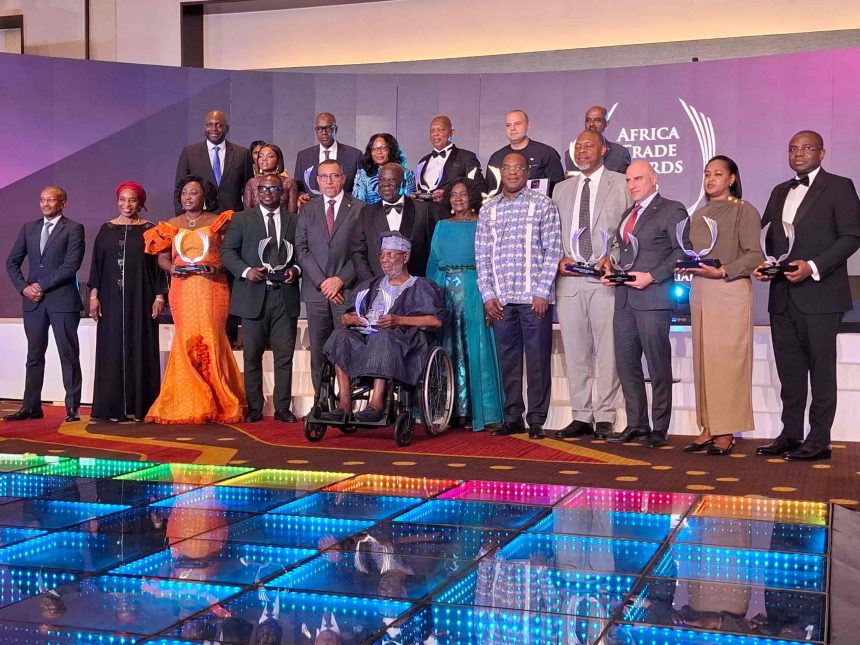
Professor Opoku-Agyemang made the call Thursday night at the Africa Trade Awards ceremony, which climaxed a two-day Trade Summit organised by the Africa Trade Chamber and its partners.
Speaking on behalf of President John Dramani Mahama, the Vice President congratulated award recipients and said their leadership reflected the resilience and imagination required to build a competitive and integrated African economy.
“With AfCFTA now in force, Africa has created the largest free trade area in the world by number of participating countries, covering a market of about 1.3 billion people valued at over three trillion dollars,” she said, noting that intra-African trade remained relatively low.
The Vice President said integration went beyond signing agreements and required sustained investment in infrastructure, institutions and predictable governance, adding that economic sovereignty meant Africa must process its own resources, build infrastructure and create jobs for its people.
She outlined priority areas for action, including boosting intra-African trade, pursuing industrial policies that build skills and support priority sectors, expanding infrastructure and connectivity, promoting innovation and technology, and strengthening institutional capacity and governance.
Ghana was committed to contributing to Africa’s transformation through initiatives such as the 24-hour Economy Programme, designed to improve productivity by aligning infrastructure, financing and institutional coordination, as well as major investments to support trade and industrialisation, she noted.
Professor Opoku-Agyemang highlighted the importance of inclusion, noting that Africa’s youth and women were central to innovation, enterprise and leadership, while small and medium-sized enterprises remained essential to job creation and sustainable growth.
Mr Carlos Manuel Vila Nova, the President of São Tomé and Príncipe, reiterated the call for action, cautioning that Africa’s challenge was not a lack of vision but a failure to make infrastructure systems work effectively.
He said delays in implementing projects carried a generational cost, as lost time translated into lost competitiveness, jobs and confidence.
He urged leaders to focus on reliable energy, efficient borders and integrated regional corridors rather than isolated projects.
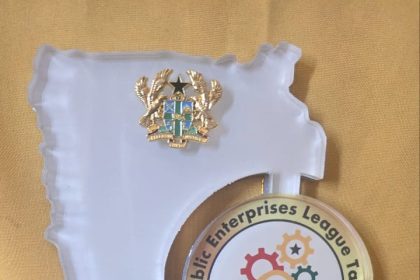
The Africa Trade Awards honoured individuals and institutions that had made significant contributions to trade development on the continent.
Mr Gervais Koffi Djondo, Founder of Ecobank and ASKY Airlines, received the Africa Trade Legacy Award, the top honour.
Other awardees included Ethiopian Airlines, African Export-Import Bank, Rwanda, Ghana Link, the Pan-African Payment and Settlement System, Aspen Pharmacare, Africa Global Logistics and Flutterwave.
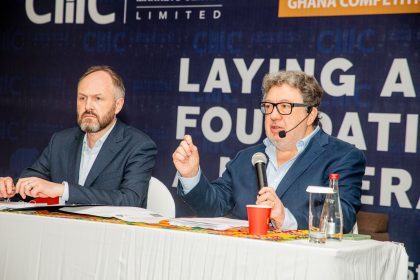
The summit brought together policymakers, business leaders and development partners to advance dialogue on trade, industrialisation and regional integration in Africa.