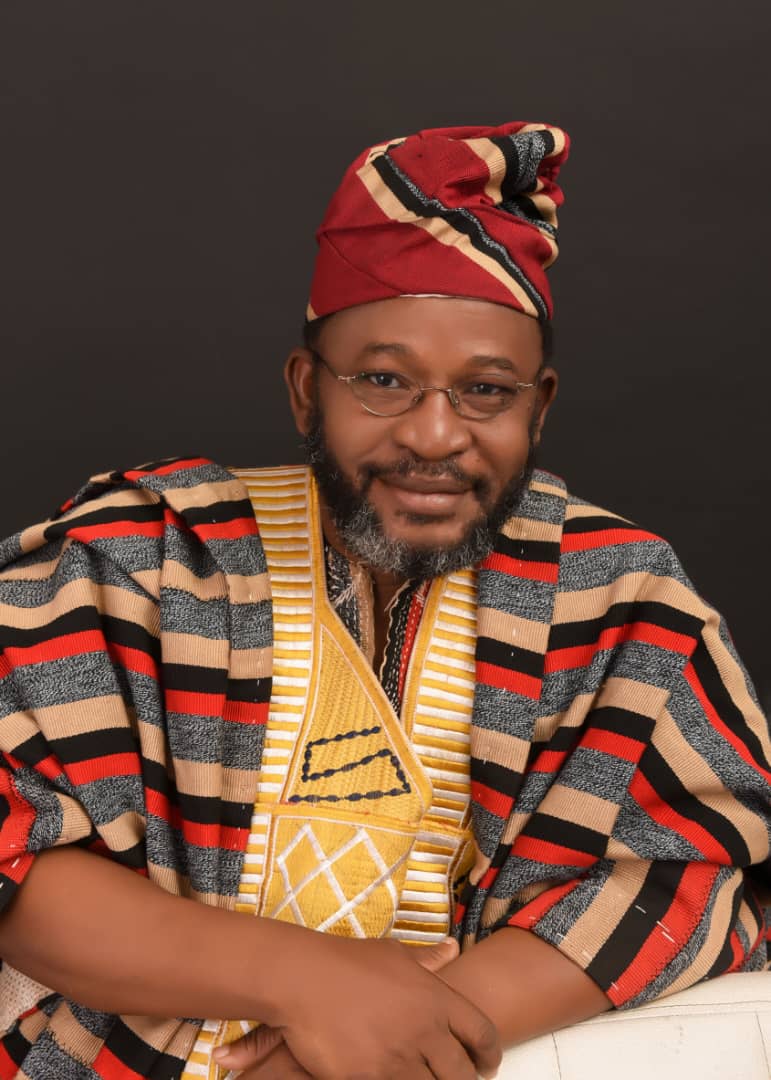
Dr Benjamin Anyagre Aziginaateg, the Executive Director of the AfriKan Continental Union Consult (ACUC), Ghana Chapter, has stressed that Ghana must move decisively from negotiated agreements to visible, lived peace in Bawku.
Dr Aziginaateg warned that unresolved tensions continue to expose the area to insecurity, underdevelopment and external threats.
Speaking in an interview with the Ghana News Agency (GNA), he said the mediation led by Otumfuo Osei Tutu II represented a historic convergence of constitutional authority and traditional conflict resolution, which must now be treated as a national peace framework rather than a symbolic achievement.
He noted that Ghana’s conflict resolution tradition was anchored in a unique blend of constitutional governance and indigenous Alternative Dispute Resolution (ADR), adding that Otumfuo’s approach modernised traditional mediation by combining cultural legitimacy with moral authority.
Dr Aziginaateg said the presentation of Otumfuo’s mediation report to President John Dramani Mahama, witnessed by Vice President Professor Jane Naana Opoku-Agyemang, demonstrated respect for the Supreme Court’s ruling and reaffirmed the country’s commitment to a peace process that was both lawful and culturally grounded.
He said despite the progress, Bawku remained vulnerable due to cycles of mistrust, insecurity and strategic misinformation, cautioning that inflammatory rhetoric, irresponsible media narratives and the politicisation of the conflict risked undermining the credibility of the mediation process.
He expressed concern that the security fragility of Ghana’s northeastern corridor coincided with expanding regional threats, particularly jihadist incursions in neighbouring countries, noting that unresolved internal conflicts could create gateways for external destabilisation.
According to him, prolonged unrest in Bawku had crippled development, entrenched poverty, weakened social cohesion, and eroded public confidence in state institutions, especially in the areas of security provision and equitable service delivery.
Dr Aziginaateg said the central challenge facing Ghana was how to translate completed mediation, constitutional clarity and proposed government interventions into tangible peace outcomes that citizens could experience in their daily lives.
He explained that peace consolidation required an integrated architecture aligning traditional authority, state responsibility, and citizen accountability into a coherent framework.
He said Otumfuo’s mediation report should be upheld as both a cultural covenant and a national peace blueprint, adding that any attempt to sabotage the process through reckless speech or media sensationalism must be treated as a threat to national security.
On development, he welcomed the proposed Bawku Revitalisation Fund, under the Finance Ministry, stressing that it must function as a transparent trust compact with the people and deliver visible infrastructure, livelihoods and economic revival rather than bureaucratic consumption.
He emphasised that accountability and citizen oversight were non-negotiable if development interventions were to rebuild trust and dignity in the area.
Touching on security, he said gun violence must trigger immediate, impartial investigations free from political interference, adding that while the Ghana Police Service should be adequately resourced to lead internal security, the role of the military must be carefully defined to avoid normalising the militarisation of civic life.
The ACUC executive director also called for deliberate efforts to reinforce social cohesion, noting that Kusaug’s history was characterised by deep integration and intermarriage among Kusaa, Mamprusi, Bimoba, Mossi, Fulani, Hausa and Gonja communities.
He said these long-standing bonds made division artificial and self-destructive and should therefore be elevated into a shared civic ethic that prioritised collective responsibility.
According to him, the dominant narrative in Bawku must shift from ethnic suspicion to a collective fight against underdevelopment, stressing that job creation, investment and youth empowerment were the unifying imperatives for lasting peace.
Dr Anyagre observed that while traditional ADR had proven its worth as a credible mechanism for conflict resolution in Ghana, disciplined implementation, ethical governance and collective responsibility were required to prevent old grievances from perpetuating instability.
“The choice before us is clear,” he said, adding that Ghana must either allow unresolved tensions to fuel underdevelopment or unite behind a future of shared prosperity for Bawku