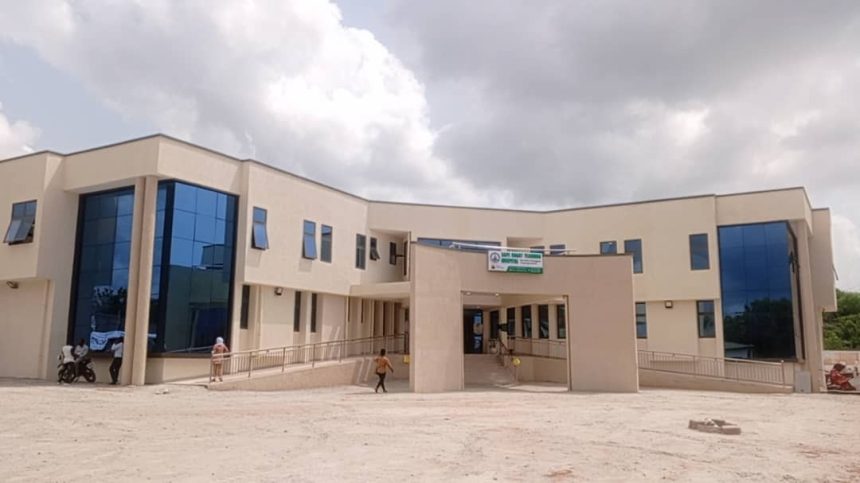
Cape Coast Teaching Hospital (CCTH) has commissioned a state-of-the-art 33-bed Eye Care and Surgical Training Centre of Excellence in the Central Regional capital, to help preventable blindness.
The $4 million facility, the largest and first of its kind in the Central Region, aimed to address critical eye health needs for residents in the Central, Western and Western North Regions.
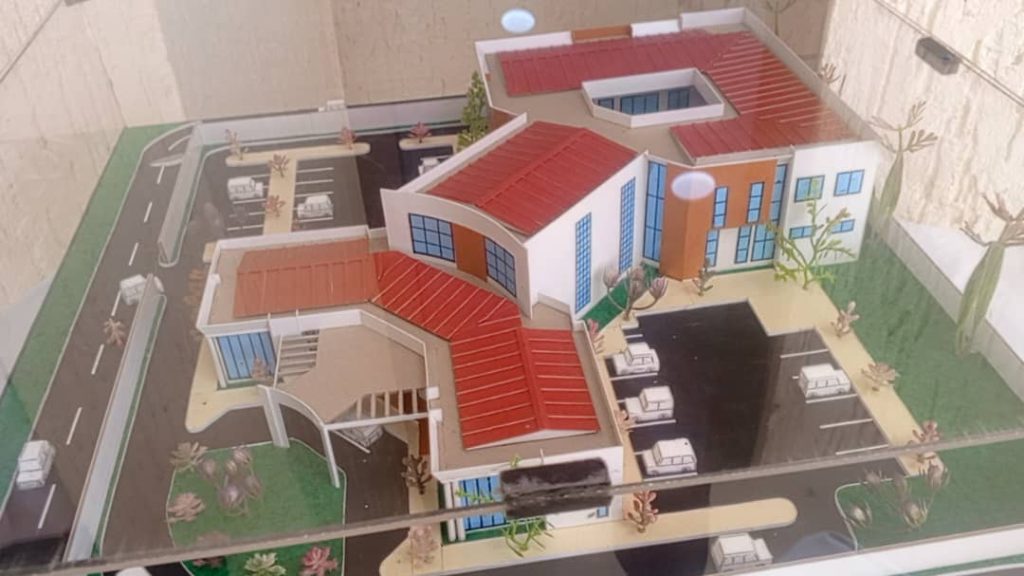
Spanning 25,000 square feet across four storeys, the facility will boost surgical capacity, train more ophthalmologists and enable timely diagnosis and treatment of various eye conditions.
Funded by the Himalayan Cataract Project through its Cure Blindness initiative, and USAID, the centre featured dedicated rooms for refractions, posterior segment treatments, consultations and diagnostics.
It also includes inpatient wards (male, female and two private options), expanded clinical spaces, and a reserved floor for future expansion.
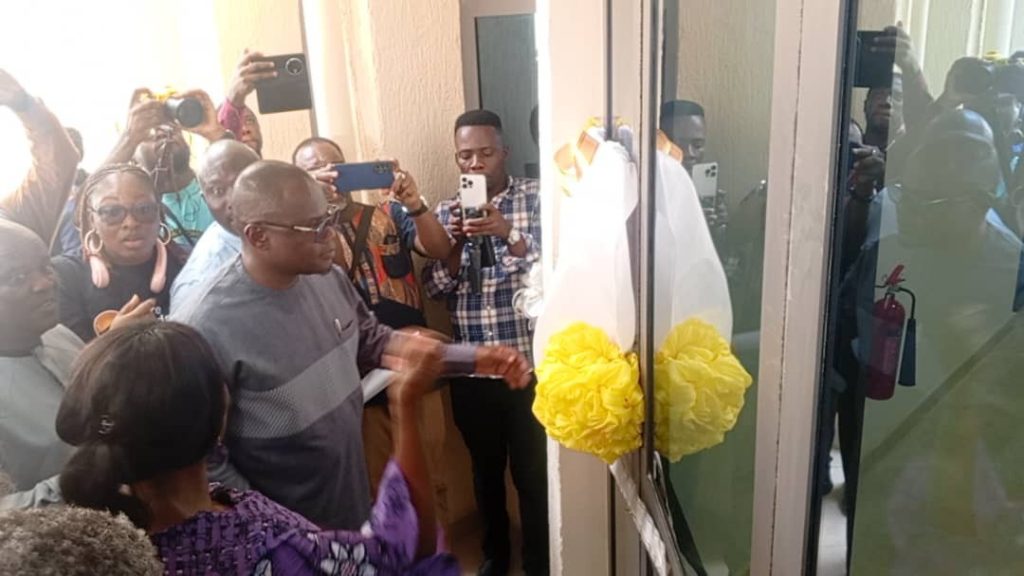
Dr Grace Ayensu-Danquah, the Deputy Minister of Health, who cut the tape to commission the facility, praised the sponsors and underscored the centre’s vital role in delivering quality healthcare to all, particularly those in remote communities.
She mentioned eye conditions like cataracts as a leading cause of preventable blindness, affecting millions worldwide, including vulnerable groups with limited access to surgery that worsened their suffering.
While commending the government’s health initiatives, she urged swift action, including expanded affordable eye care programmes and more surgeon training, to reverse the trend and restore sight to those in need.
She said that aligned with the government’s commitment to Universal Health Coverage (UHC) of ensuring financial barriers did not block essential eye care services to all.
Mr Ekow Panyin Okyere Eduamoah, the Central Regional Minister, highly praised the Himalayan Cataract Project for screening more than 90,000 Ghanaians and successfully operating on over 9,000 of them.
While urging the adoption of a strong maintenance culture for the facility, he called on health personnel to remain professional and humane in discharging their duties.
Dr Eric Kofi Ngyedu, the Chief Executive Officer of CCTH, stated that the Centre will bolster its capacity to provide safe, timely surgical specialised ophthalmological care, training and improved patient outcomes, preventing avoidable visual impairment and blindness for those in need.
He added, “As a beneficiary institution, we are deeply grateful for this collaboration and support in enhancing healthcare services. We are committed to fostering a robust culture of maintenance to fully serve our purpose.”
Ms K.T Overbey, the Chief Executive Officer of the Cure Blindness Project, described the facility as life-changing for the community, which addressed today’s needs, preparing Ghana for a brighter future.
She mentioned their commitment to collaborate to eliminate preventable blindness as it had provided high-volume free eye screenings, surgeries and training for local eye care professionals, particularly focusing on reaching underserved and rural communities.