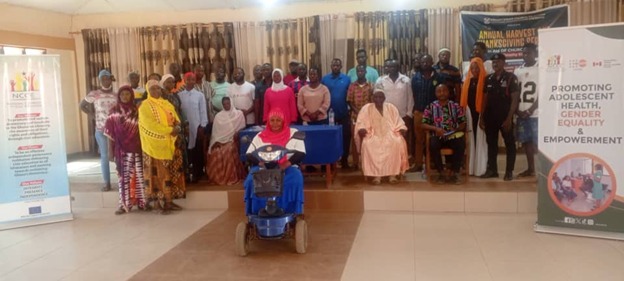
Stakeholders in the Chereponi District have called for the introduction of comprehensive and age-appropriate sexual and reproductive health education in schools as a key strategy to curb adolescent pregnancy and promote the well-being of young people in the area.
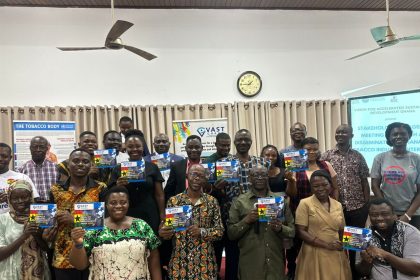
The call was made during a stakeholder engagement organised by the Chereponi District Directorate of the National Commission for Civic Education (NCCE) under the United Nations Population Fund (UNFPA)-assisted adolescent health programme.
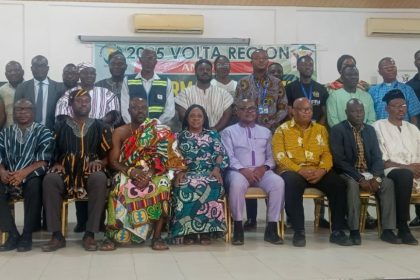
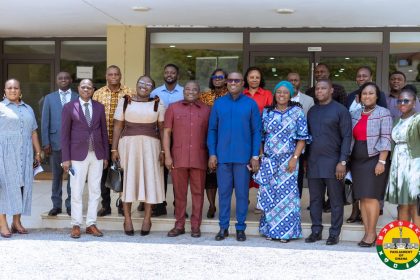
The engagement brought together 40 participants, including traditional and religious leaders, public health and community health nurses, adolescent health focal persons, School Health Education Programme (SHEP) officers, the media, Assembly and Unit Committee members, officials from the Commission on Human Rights and Administrative Justice (CHRAJ), and security agencies such as the Police and the Domestic Violence and Victim Support Unit (DOVVSU).
The participants expressed concern over the increasing rate of adolescent pregnancy and the persistent harmful social practices affecting young people, especially girls and young women.
They explained that many adolescents in rural communities continued to face barriers in accessing accurate information and essential Adolescent Sexual and Reproductive Health and Rights (ASRHR) services.
According to the stakeholders, stigma, misconceptions, and cultural resistance around sexual and reproductive health remain major obstacles to adolescent protection and empowerment.
They stressed the need for the school system to play a more active role in equipping young people with the right knowledge to make informed decisions.
“Comprehensive and age-appropriate reproductive health education in schools is no longer optional; it is essential if we want to protect our adolescents from early pregnancy, sexual exploitation and gender-based violence,” the participants emphasised.
Mr Suleman Abdulai, the Chereponi District Director of the NCCE, who facilitated the engagement, noted that strengthening collaboration among traditional authorities, religious leaders, educators, and health workers was crucial for dismantling myths and improving referral pathways for adolescents.
He said the engagements had improved stakeholders’ understanding of gender-based violence prevention, community support systems for adolescents, and the importance of promoting respectful relationships.
Despite these gains, Mr Abdulai acknowledged that access to ASRHR services remained limited in many parts of the district, particularly in underserved rural communities.
He recommended stronger partnerships between the NCCE, NGOs, traditional leaders, and schools to design community-based awareness campaigns that addressed misconceptions and promote positive social norms.
Mr Abdulai reiterated the Commission’s commitment to promoting equality, safety, and inclusivity among adolescents.