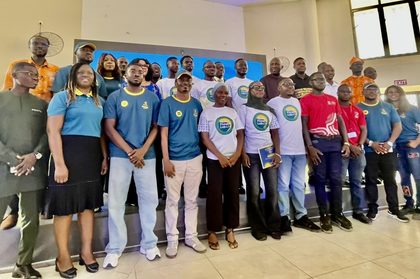
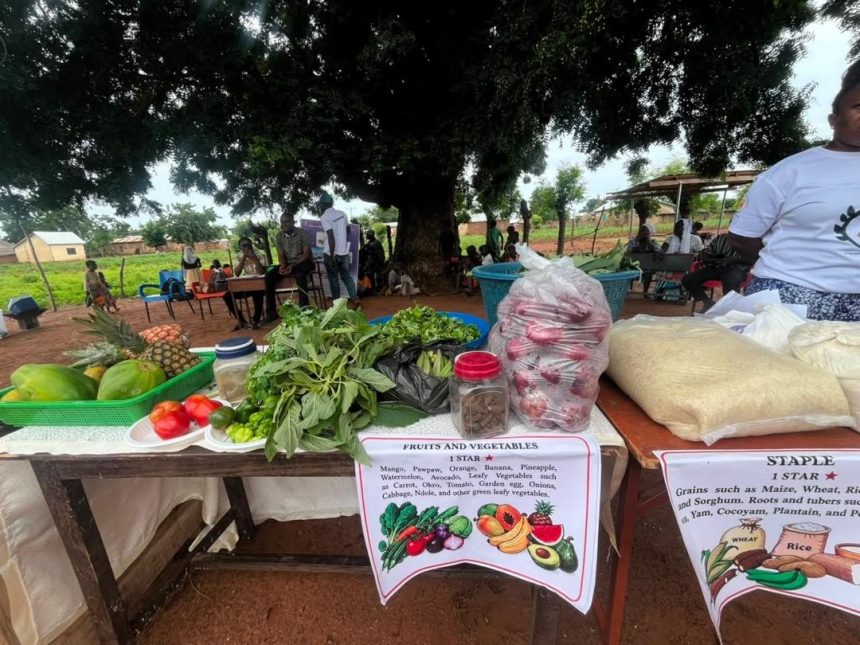
About 150 women from five communities in the Savelugu Municipality have been trained in improved food preparation practices for indigenous leafy vegetables to help preserve essential micronutrients and contribute to addressing hidden hunger amongst women and children.
The participants, drawn from Zaazi, Libga, Moglaa, Yizegu and Bihinaayili communities, took part in nutrition education and practical cooking demonstrations to promote healthier food preparation, improve dietary diversity and enhance the nutritional quality of household meals.
They were introduced to the Four-Star Diet, the importance of dietary diversity and hidden hunger, with emphasis on common micronutrient deficiencies and the potential effects on child growth, development, learning and immunity, as well as the health and wellbeing of women, especially pregnant and breastfeeding women.
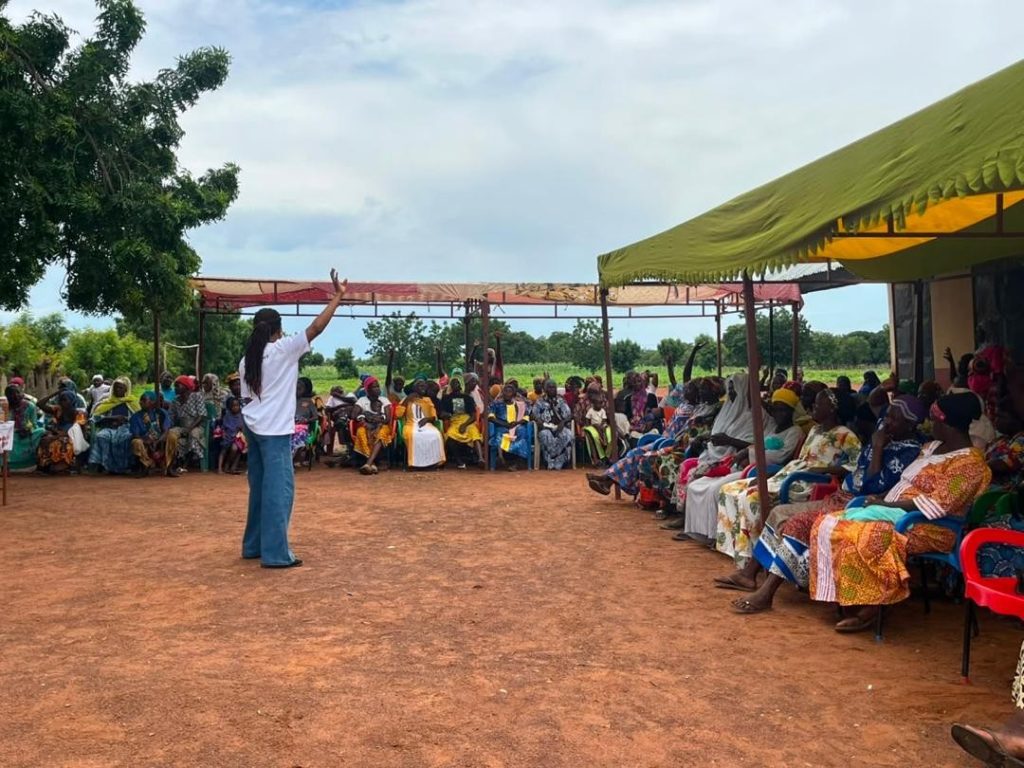
They were also introduced to different recipes and practical ways of incorporating indigenous leafy vegetables into their regular household meals to improve dietary diversity and micronutrient intake.
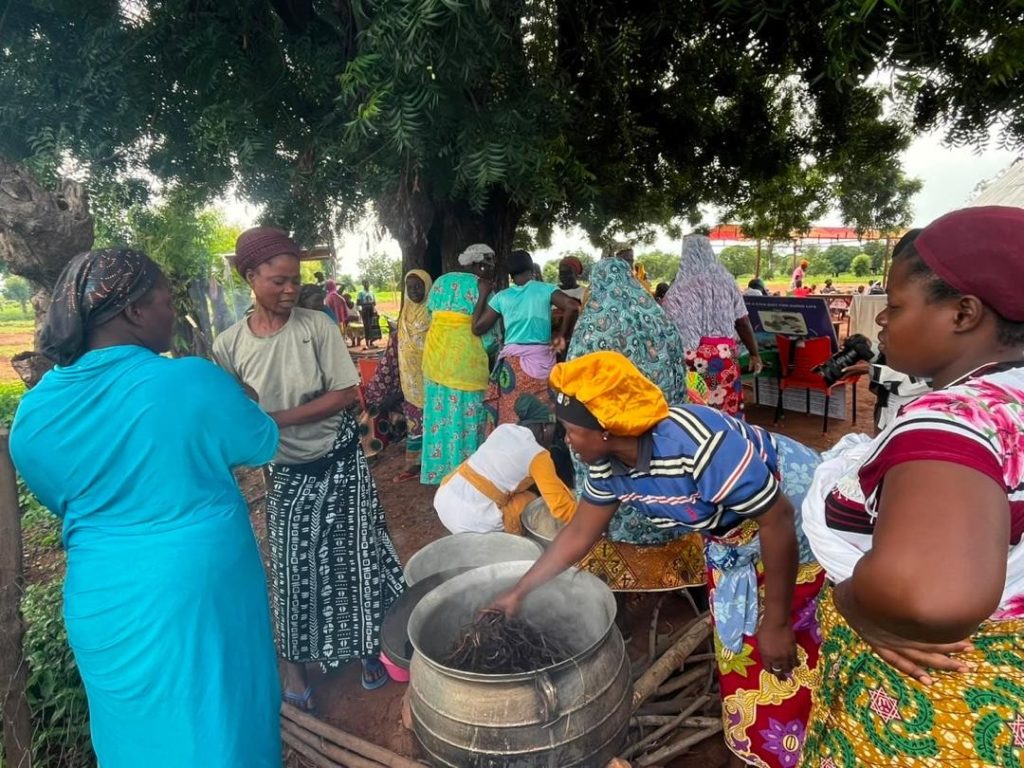
Meals prepared during the demonstration included nutritious Bra (Roselle) soup served with Tuo Zaafi (TZ), improved Ayoyo (Jute Mallow) soup with TZ/banku, improved Aleefu (Amaranth) stew with vegetable rice and Tubani enriched with Aleefu.
Locally available natural spices and ingredients were used in preparing these meals.
The day’s training, organised by the Centre for Sustainable Rural Agriculture and Development (CSRAD) at Zaazi, a community in the Northern Region, formed part of the implementation of the Nature-Plus Project (Nature-based Pathway to Sustainable Production of Amaranths using a One Health Approach).
The two-year project, funded by The Conservation, Food & Health Foundation, is promoting nature-based farming methods, including soil solarisation and the use of Black Soldier Fly (BSF) frass to support the sustainable production of amaranth and other indigenous leafy vegetables and improve their nutritional value through biofortification.
Through nature-based solutions that do not rely on chemical fertilisers and pesticides, the project seeks to contribute to improved environmental and human health.
The project aims to help rural women and households in the northern part of the country improve access to nutritious foods, address dietary imbalances, increase dietary diversity and improve micronutrient intake as part of efforts to address hidden hunger amongst women and young children.
Dr Michael Kermah, the Executive Director of CSRAD and Project Lead, during the training, said the nutrition education component was informed by findings from a recent household survey conducted by CSRAD involving 240 households across 27 rural communities.
He said the survey found that diets in the communities were largely cereal-based, with limited dietary diversity and relatively low consumption of several micronutrient-rich foods, including fruits and animal-source foods such as eggs, milk and other dairy products.
He said indigenous leafy vegetables such as amaranth and jute mallow provided an important and practical opportunity to improve dietary diversity and micronutrient intake, adding that they were commonly consumed by households and contained important vitamins and minerals.
He explained that those vegetables were therefore prioritised by the Nature-Plus Project for agronomic biofortification to further enhance their nutritional value.
Dr Kermah emphasised that growing nutritious indigenous leafy vegetables was just the first step, noting that the household nutrition survey also identified several sub-optimal post-harvest and culinary practices that could reduce the nutritional benefits of the vegetables.
He cited practices such as excessive washing of leaves, discarding water used for pre-boiling and prolonged cooking as examples of practices which could contribute to micronutrient losses and reduce the nutritional benefits of the biofortified leafy vegetables.
He said the nutrition education and cooking demonstrations were therefore designed to equip women with improved post-harvest handling and food preparation practices that could help retain essential micronutrients in biofortified leafy vegetables prepared for household consumption.
Dr Kermah urged the participants to apply the knowledge gained from the training in their homes to help preserve the nutritional value of the indigenous leafy vegetables they grew and prepared for their families.
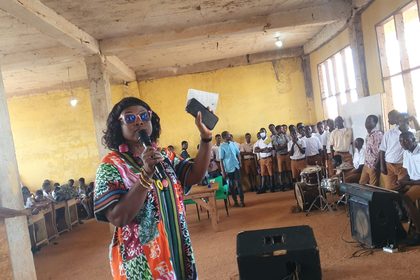
Madam Gertrude Latifa Accrachie, the Principal Nutrition Officer at the Tamale Regional Hospital, who led the nutrition education session, said the cooking demonstration revealed a gap between knowledge and practice in food handling among participants, emphasising the need for them to translate the knowledge gained into daily food preparation habits.
She emphasised that healthy diets did not necessarily require expensive foods as households could use locally available foods such as indigenous leafy vegetables combined with other nutrient-rich foods including eggs, wagashi, beans, soybeans and egusi to improve the nutritional quality of their meals.
She urged the women to establish backyard gardens including sack gardens, especially during the dry season to ensure a steady supply of fresh indigenous leafy vegetables.
Ms Accrachie touched on the effects of poor diet and said micronutrient deficiency, commonly referred to as hidden hunger, remained a major public health concern, especially in the northern part of the country.
She said micronutrients were essential for effective growth, good eyesight, blood formation and brain development, noting that deficiencies in nutrients such as iron, iodine and zinc could have serious health consequences.
She said one in three young adolescent girls aged 15–19 years was anaemic, describing the situation as worrying and calling for greater attention to dietary practices.
Madam Fadila Mohamed, a participant from Moglaa community, said the training had helped her acquire new knowledge and skills in preparing Bra soup and other indigenous leafy vegetable-based foods.
She said, “I have learned how to cook Bra soup, and I have learned new ways of cooking it” adding that she would apply the lessons in preparing meals for her family at home.