
The Cyber Security Authority (CSA) received 23,363 public inquiries at its call centre last year, reflecting a growing awareness and unease over cyber threats across the country.
Of these, 4,604 were confirmed cyber incidents, while 18,759 required direct guidance from CSA experts.
These figures were disclosed by Mr Divine Selase Agbeti, CSA Director-General, during the launch of the Central Region Cybersecurity Competition for Senior High Schools in Cape Coast, as part of Africa Safer Internet Day 2026.
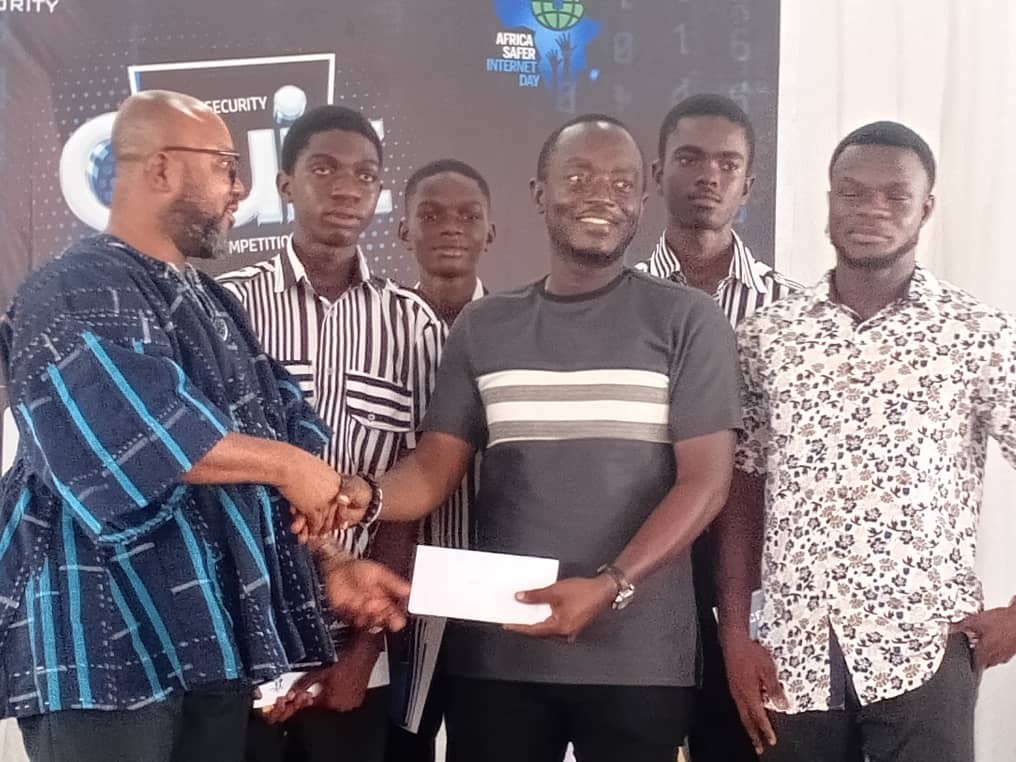
Hosted at Adisadel College’s Canterbury Hall, the event drew fierce competition among top Senior High schools in the historic academic city.
Adisadel School’s home team clinched the boys’ category, edging out rivals Mfantsipim School and St Augustine’s College.
In the girls’ category, Mfantseman Girls Senior High School from Saltpond triumphed over Wesley Girls and Holy Child Schools, showcasing the region’s budding talent in cybersecurity.
Under the theme: “Together for a Safer Africa Online: AU Online Safety Policy in Action,” the competition equipped students with hands-on skills in threat detection, ethical hacking and secure coding.
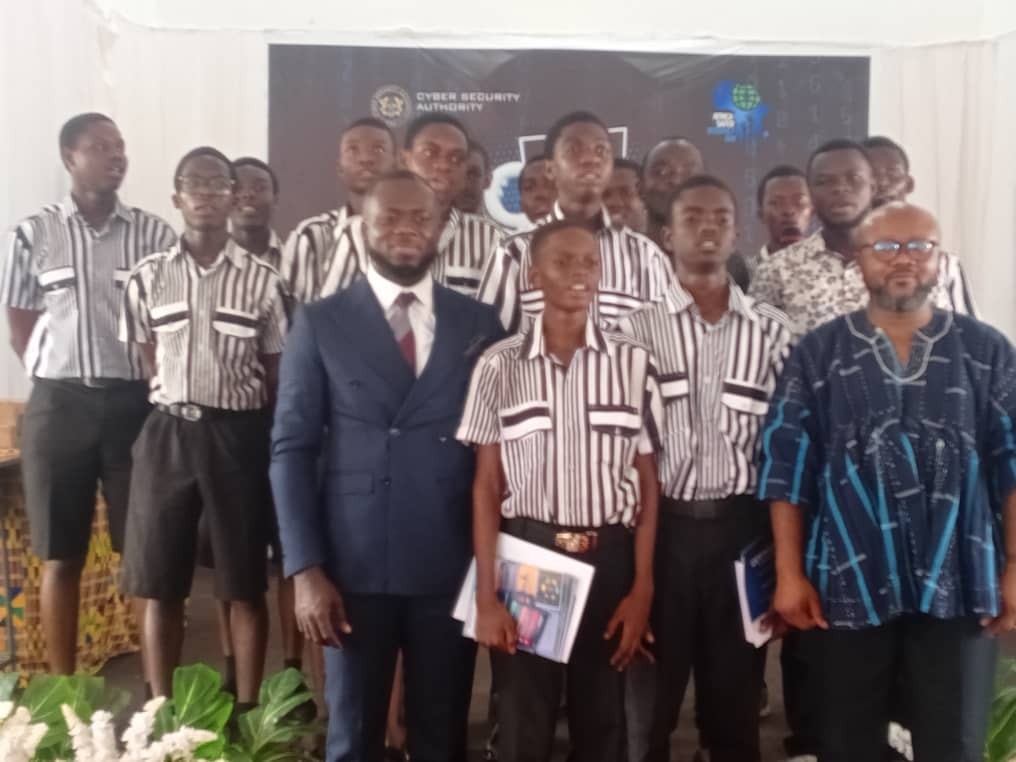
It fostered online vigilance, ignited passion for Science, Technology, Engineering and Mathematics (STEM) careers, and positioned the youth as frontline defenders against cybercrime, vital in Ghana’s Central Region, where digital adoption is accelerating amid local development projects.
Mr Agbeti underscored the human cost of these threats, revealing that each inquiry often involved a Ghanaian, frequently a child or youth whose trust had been shattered.
“Behind every statistic lies pain and betrayal; these are not abstract risks but daily realities,” he stated.
He spotlighted the internet’s indispensable role in bridging Ghana’s geographic, gender and political divides, while cautioning against perils like cyberbullying, exploitation, fraud, sextortion, identity theft, misinformation and deepfakes.
Drawing reassurance from the Cybersecurity Act, 2020 (Act 1038), he noted that offences including cyberstalking, sextortion, online grooming and non-consensual sharing of intimate images (Sections 62–66) attract up to 25 years’ imprisonment.
“Ghana’s laws are unequivocal, children must be protected online,” Mr Agbeti noted, and described the youth as “digital and architects of our online future.”
“Learn responsibly, innovate boldly, create ethically. Never harm others online or stand idly by. If you feel unsafe, report to CSA’s 24/7 helpline on 292 via call or text,” he urged.
Mr Charles Kwansah, the CSA Board Member, re-echoed calls for caution, warning against oversharing, but verifying before trusting.
“Protect your digital footprint, the internet remembers everything, every post you click, or share shapes your tomorrow.”
He said the event not only celebrated Central Region’s excellence but also aligned with national efforts to build cyber resilience, particularly as many people increasingly rely on digital tools vulnerable to threats.