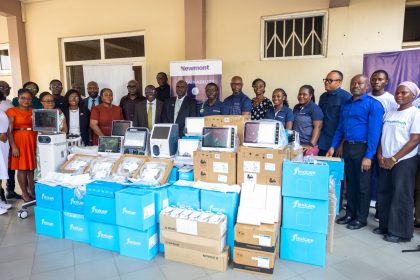

The government’s recent announcement that 121 Ghanaian nurses will be deployed to Antigua under a bilateral agreement has ignited a national conversation that goes far beyond job creation.
The move, facilitated by the Ministry of Health and the Ghana Labour Exchange Program, is being framed by analysts as a critical test of the country’s approach to workforce planning, economic strategy, and long-neglected health sector reforms.
For years, Ghana has grappled with a paradox: a surplus of highly trained nurses with no postings in the public health system.
Thousands of graduates complete national service only to face years of unemployment, a situation that has fueled protests and deepened frustration within the profession.
“This initiative is a strategic pivot, not an act of desperation,” stated a policy brief from the health ministry.
It highlights a recognition of global realities, high-income nations and regions like the Caribbean face severe healthcare worker shortages and are actively recruiting.
The international demand for Ghanaian nurses, renowned for their discipline and training, presents a significant economic opportunity.
Observers point to nations like the Philippines, which built a robust economic pillar on the deliberate export of healthcare professionals, benefiting from substantial remittance inflows.
“We have the same potential,” noted economist Dr. Ama Serwah.
“A nurse working abroad contributes through remittances, gains world-class experience, and often returns with enhanced skills. This is ‘brain circulation,’ not simply a drain.”
However, the initiative has also sharpened focus on persistent structural issues within Ghana’s own health sector.
Critics are asking why nursing training institutions continue to expand without parallel growth in domestic public sector employment, and why hospitals remain critically understaffed while qualified nurses sit idle at home.
“Exporting talent is a pragmatic short-term solution, but it must not become a band-aid for systemic failure,” warned Health Policy Advocate, Kofi Mensah.
“We must address why sustainable postings remain an elusive political promise.”
For this deployment to mark a turning point, experts argue Ghana must adopt a deliberate, national strategy.
Key recommendations include formalizing more bilateral agreements to ensure structured, ethical migration, creating targeted training pipelines for the global market and implementing robust protections for the rights and welfare of deployed workers.
Another is developing mechanisms to channel remittances and skills repatriation into the national economy and concurrently strengthening local health facilities to prevent a decline in domestic care quality.
The deployment to Antigua is, therefore, more than a jobs program. It is a litmus test for whether Ghana can transform a chronic challenge into a strategic advantage, harnessing global demand while urgently fixing its own systems.
As the debate continues, the central question remains: Will this be a one-off news headline, or the foundation of a bold, forward-looking national policy that values Ghana’s human capital both at home and abroad?