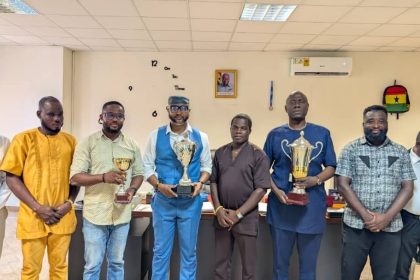
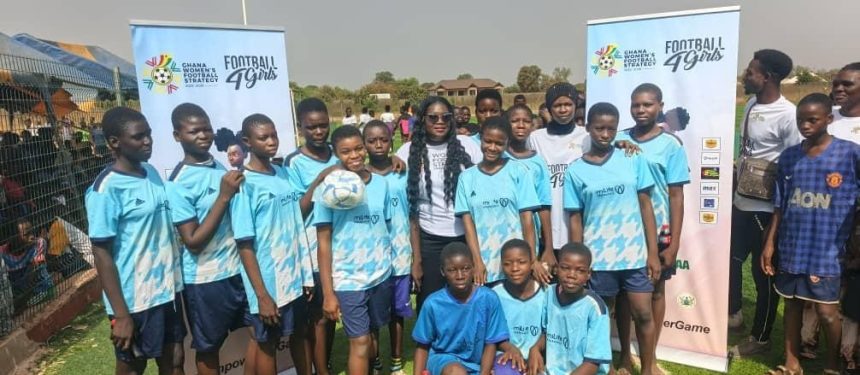
Madam Jennifer Amankwa Sarpong, the Women Development Manager of the Ghana Football Association (GFA) has urged stakeholders to close the widening gap between boys and girls in grassroots football.
Madam Sarpong speaking in an interaction with school children and teachers at the Tumu Sports Stadium, stressed the need for deliberate investment in girls’ participation from early ages.
The interaction was a day’s talent hunt and sensitisation drive in the Sissala East Municipality under the Ghana Women’s Football Strategy (2023-2026).
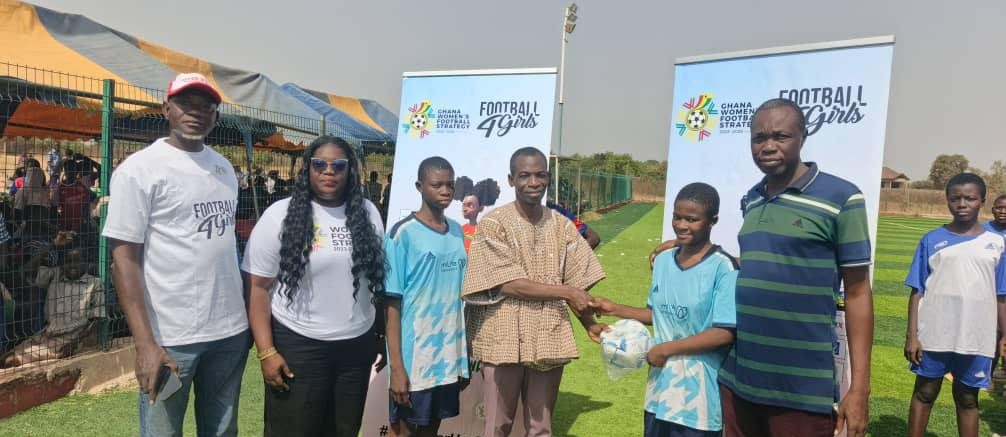
Madam Sarpong said there was a huge gap between boys and girls in football in the various districts across Ghana, which needed to be addressed.
She said, “The boys are scouted early, but for many girls, their talent only gets noticed at ages 17, 18 or even 20. By that time, the opportunities are limited. We must ask ourselves what we are doing to close this gap.”
She emphasised that talent identification must begin from childhood and must involve schools saying, “Football development happens between the ages of five to 15. And the best place to find these girls is in schools. We cannot succeed without the support of teachers, school leaders, and parents.”
She advised parents and guardians to discard the notion and misconceptions that if girls play football, they would lose their femininity or that their academics will suffer. These ideas are not true. We must reach out to parents, communities, and the girls themselves and assure them that playing football will not harm them.”
The Women Football Development Manager revealed that her team had reached a memorandum of understanding with partners to introduce football programmes in schools, specifically targeting girls aged between five to 15.
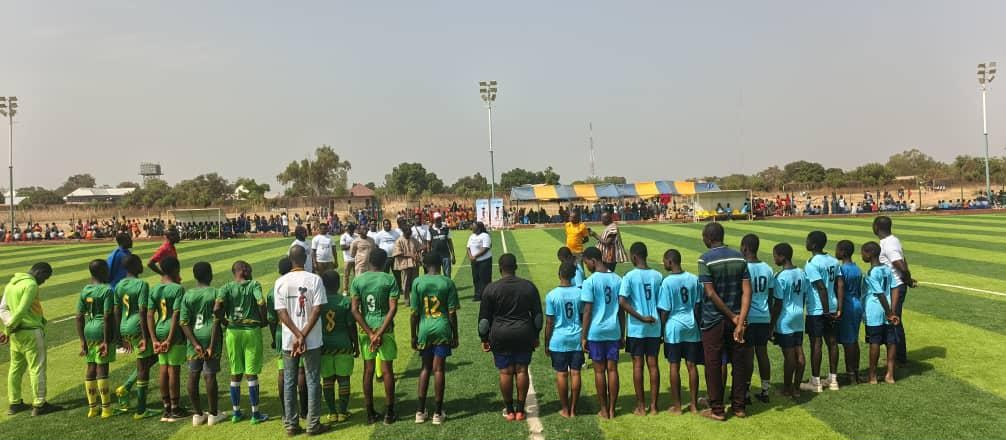
“Our mission is to promote and support girls’ football from the grassroots. One of our key strategies is to engage girls early, find them, and empower them to believe in their talent.”
Mr Charles Lewil, the Sissala East Municipal Director of Education commended the GFA for the talent hunt and stressed the importance of the programme for their holistic development.
GNA