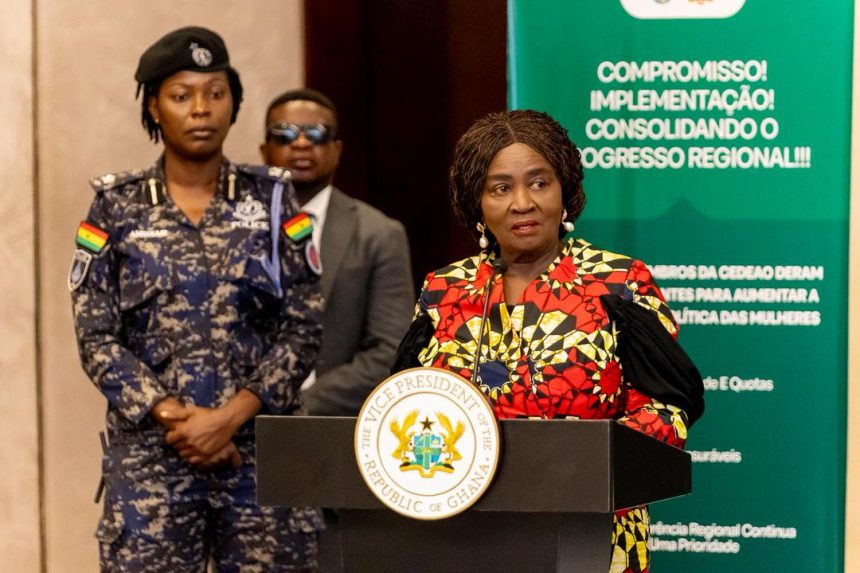
Vice President Professor Jane Naana Opoku-Agyemang has called for stronger inclusion of women and young people in political leadership across West Africa, stressing that their participation is critical to the region’s future development.
She warned that continued exclusion of these groups from governance and decision-making would undermine progress in the sub-region.
The Vice President made the call at the closing of the ECOWAS Regional Consultation on Political Participation and Leadership of Women and Young People in West Africa held in Accra on Friday.
The consultation brought together regional stakeholders to review political participation and leadership among women and youth within the framework of commitments adopted by the Economic Community of West African States (ECOWAS).
Prof. Opoku-Agyemang acknowledged progress made under regional frameworks such as the ECOWAS Gender Policy and ECOWAS Youth Policy but noted that women and young people remained underrepresented in leadership and decision-making across many member states.
“The future of West Africa depends on our ability to harness the talents and leadership of all our people,” she said.
She highlighted Ghana’s efforts to promoting inclusion, particularly the passage of the Affirmative Action Act, aimed at increasing women’s representation in public life.
Since its enactment, Prof Opoku-Agyemang said more women had been appointed to key roles in ministerial, parliamentary, judicial and local government positions.
She pointed to government’s investments in youth empowerment through the Ministry of Youth and Development and the National Youth Authority, which had created engagement platforms and expanded youth participation in policy dialogue, civic education and local governance.
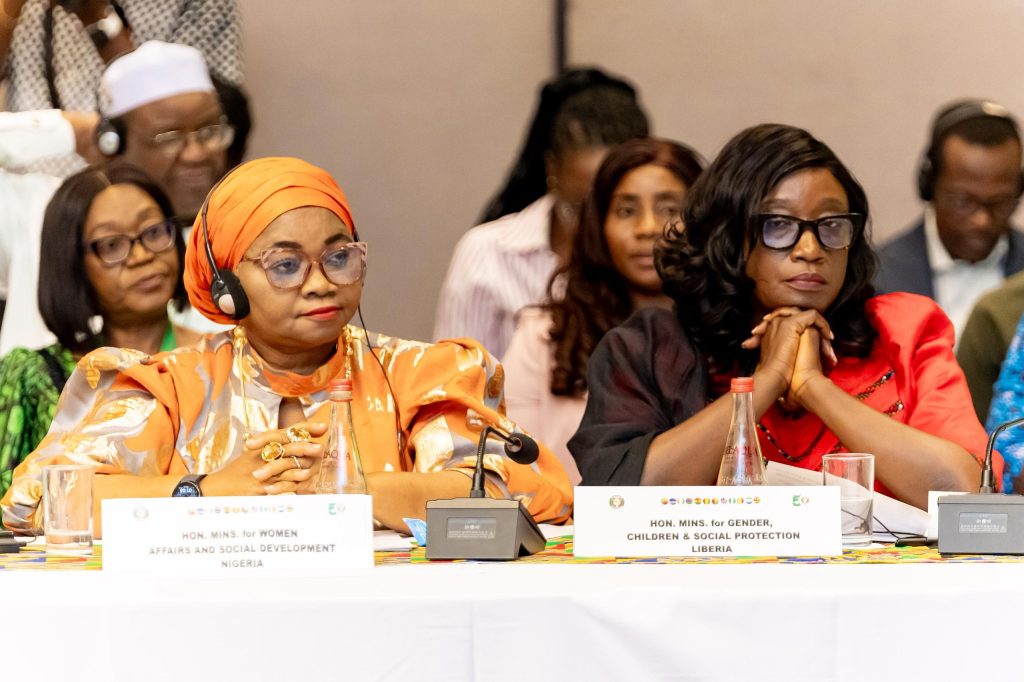
Despite the progress, she called for accelerated action and reaffirmed Ghana’s commitment to collaborating with ECOWAS partners to share best practices and strengthen regional approaches.
Madam Damtien Tchintchibidja, Vice-President of the ECOWAS Commission, said the key challenge was no longer the absence of policy vision but the need to translate commitments into practical and institutionalised action.
She announced that implementation of the “Legacy Project” would begin, with the Commission providing advisory support, peer-learning platforms, monitoring systems and partnership mobilisation to support member states.
The Legacy Project aims to consolidate democratic governance gains and promote equal political opportunities for women and men, including the development of a model law to guide reforms to strengthen women and youth participation by 2035.
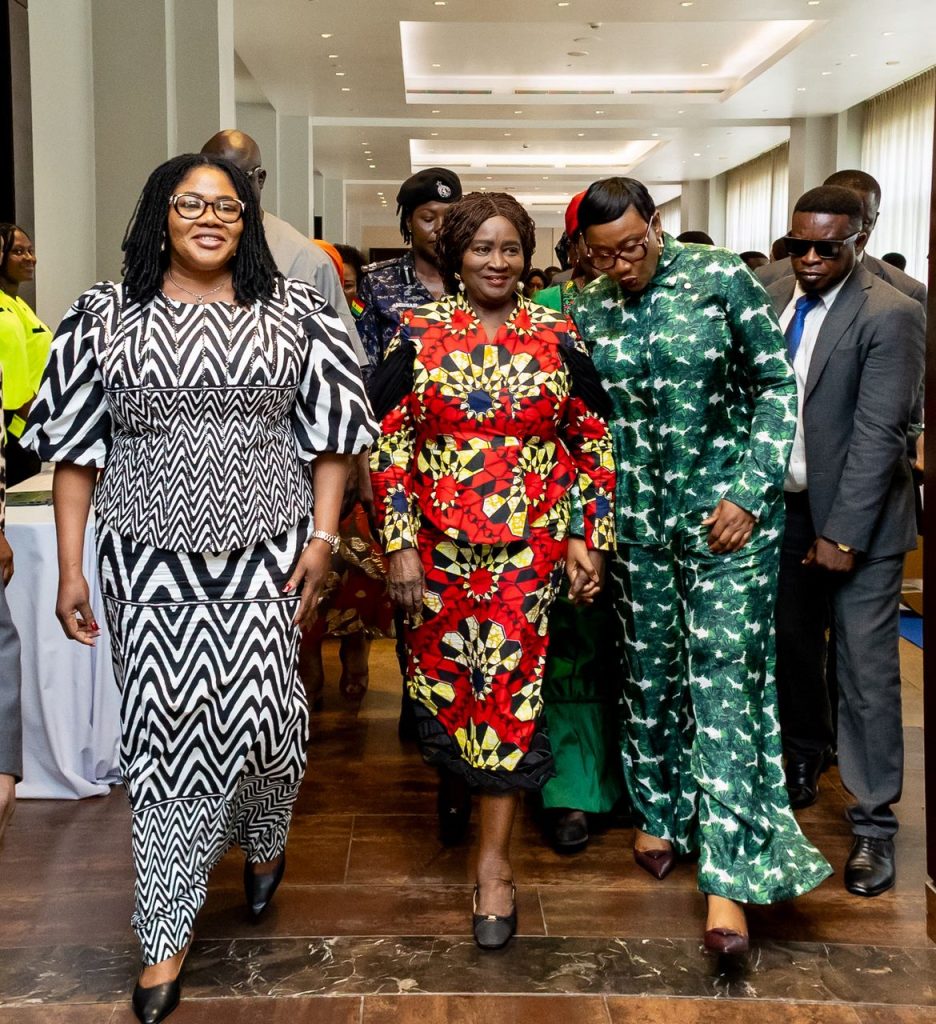
Madam Tchintchibidja noted that the consultation coincided with the bloc’s 50th anniversary, describing it as both a commemorative and transformative milestone.
Dr Isata Mahoi, Chairperson of ECOWAS Ministers Responsible for Gender, stressed that the success of the Legacy Project would depend on strong national action plans to remove structural barriers.
Dr Agnes Naa Momo Lartey, the Minister of Gender, Children and Social Protection, urged partners and member states to intensify efforts to make the inclusion of women and young people a practical reality within political institutions.
“Together, we can build a West Africa where leadership is inclusive, governance is representative, and opportunity is accessible to all,” she said.
GNA