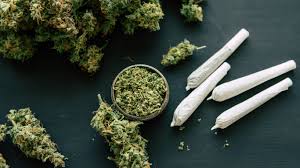
The Narcotics Control Commission (NACOC) has announced it will shortly begin accepting applications for licences to cultivate cannabis for medicinal and industrial purposes, following parliamentary endorsement of the outstanding regulatory framework.
In a statement issued on February 11, 2026, the Commission confirmed that the necessary regulations and approved fee structure are now in place, enabling the rollout of a licensing system for the “controlled cultivation, processing, and use of cannabis with tetrahydrocannabinol (THC) content not exceeding 0.3 per cent.”
The announcement marks a decisive move from legislative intent to administrative action.
Although Ghana amended the Narcotics Control Commission Act in 2020 to permit cannabis cultivation for medicinal and industrial use, implementation stalled due to the absence of detailed regulations and formalised fees. That barrier has now been cleared.
Despite the milestone, NACOC stressed that the development does not signify broader legalisation.
“NACOC reiterates that recreational use of cannabis remains illegal in Ghana,” the statement said, underlining the distinction between regulated industrial activity and unauthorised consumption.
Licences, the Commission indicated, will be reserved for “qualified entities that meet stringent requirements, including security protocols, product traceability systems, quality assurance standards, and full compliance with applicable laws and regulations.” Prospective applicants can expect rigorous vetting.
The Commission also issued a strong advisory against the use of intermediaries.
It urged applicants to “deal directly and exclusively with NACOC through the Cannabis Regulations Department” and to “avoid engaging with any individuals, groups, or associations claiming to facilitate licensing.”
NACOC noted it will work closely with the Ministry of the Interior, the Ghana Standards Authority and the Food and Drugs Authority to ensure “effective implementation, monitoring, and enforcement” of the new licensing regime.
Framing the policy shift within a broader national strategy, the Commission described the move as a calibrated effort to align economic development with public safety.
“We remain committed to safeguarding public health and safety while supporting lawful innovation and industrial development in Ghana,” it said.
The announcement is expected to draw significant interest from investors and agribusinesses, as Ghana positions itself to participate in the regulated global market for low-THC cannabis products, while maintaining firm controls against recreational use.