Bilateral trade between Ghana and the United Kingdom was reported to have risen by 11 per cent to £1.5 billion in 2025.
The growth reflects the sustained expansion in economic cooperation, driven by improved market access, stronger policy coordination, and increased business participation under the Trade Partnership Agreement (TPA).
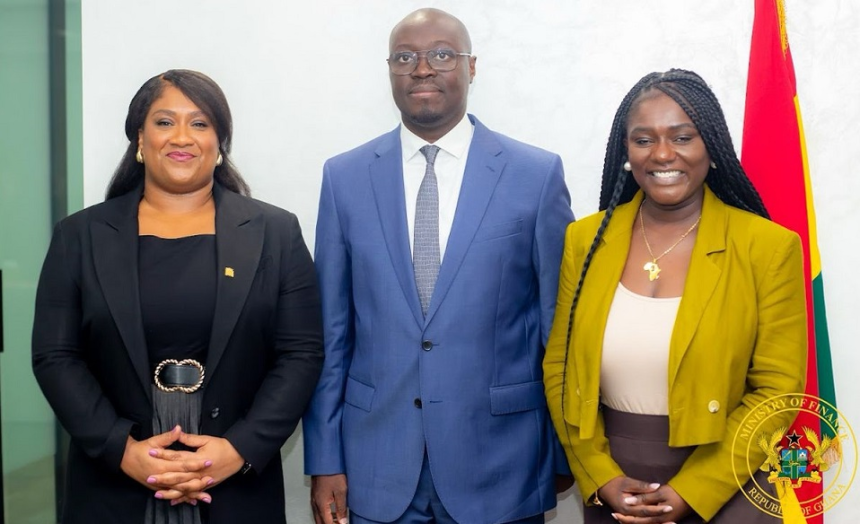
Senior officials of the two countries announced these developments after a meeting of the TPA Committee, where they reviewed progress and agreed on measures to boost trade and economic growth.
The increase comes five years after the implementation of the Ghana-UK TPA, which continues to provide a predictable, rules-based framework for trade and expanded market access.
The meeting reaffirmed commitment to removing trade barriers, strengthening implementation of the agreement, and enabling businesses, particularly small and medium-sized enterprises (SMEs), to maximise opportunities under the partnership.
To sustain the gains, the two countries introduced new initiatives to boost investment and improve access to trade finance.
These include Ci-Gaba, Ghana’s first pension-backed fund of funds, aimed at mobilising long-term domestic capital alongside international investment to support SMEs, expand businesses, and create jobs across Ghana and West Africa.
The fund received a catalytic grant from the United Kingdom’s Foreign, Commonwealth and Development Office through the RISA Fund.
Additionally, a digital trade finance platform, NeoFinGo, has been launched to modernise cross-border trade financing.
Developed through a UK-Ghana partnership involving ODI Global, the Bank of Ghana, the African Continental Free Trade Area Secretariat, and Ghana’s 24-Hour Economy Authority, the platform is expected to reduce delays and improve exporters’ access to finance.
The initiative is aimed at strengthening Ghana’s position as a gateway to regional markets and enhancing export competitiveness.
“The TPA has enabled both countries to work together to remove practical constraints to trade and create new opportunities for businesses,” said Dr Christian Rogg, the British High Commissioner to Ghana.
He noted that the combination of policy reforms and targeted financial interventions would further accelerate trade growth, support SMEs, and promote job creation.
Mr Sampson Ahi, Ghana’s Deputy Minister of Trade, Agribusiness and Industry, reaffirmed the country’s commitment to building a modern partnership centred on trade, investment, innovation, and shared prosperity.