When the sun shines In Ghana, with a relentless golden glow, a bottle of chilled Sobolo is cherished for its refreshing taste and numerous health benefits.
Sobolo is a vibrant, tangy hibiscus-based beverage from West Africa, especially popular in Ghana, known for its refreshing taste and numerous health benefits.
What is Sobolo
Sobolo, also called bissap in Senegal and Zobo in Nigeria and in Cote D’Ivoire, is a drink made primarily from the dried petals of the Hibiscus sabdariffa plant.
This crimson-hued beverage, known globally as hibiscus tea or bissap, is more than just a drink; it is a cooling balm for the soul and a vibrant symbol of Ghanaian hospitality and heritage.
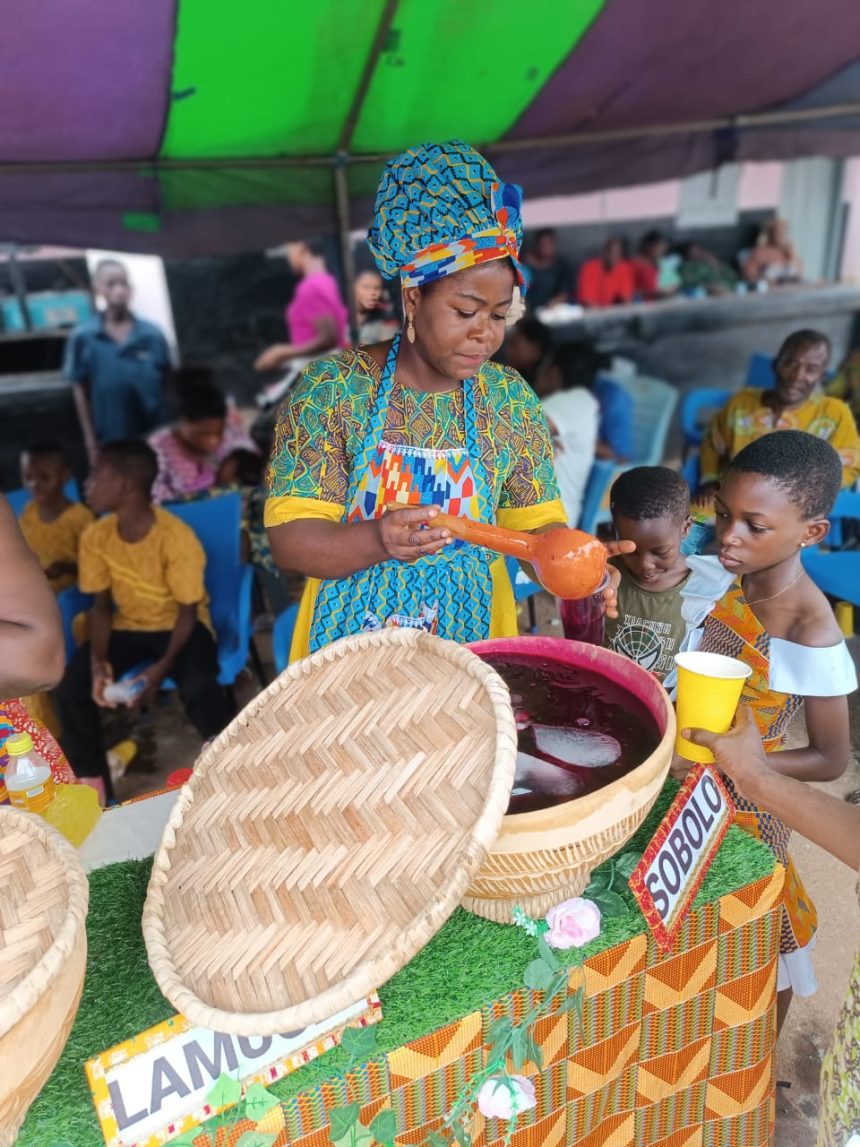
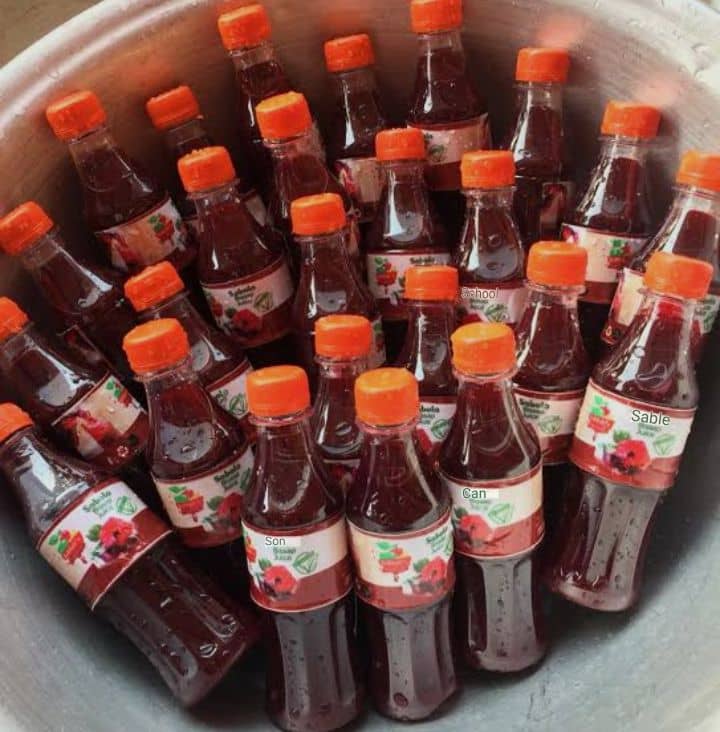
Often sold by energetic vendors on the street, navigating traffic jams, sobolo is a soft drink at naming ceremonies, weddings, and funerals, usually served ice-cold in recycled glass bottles or small tied plastic bags.
The beverage is sometime touted as a medicine in a bottle due to its nutritional value, and it is not surprising that it became more popular during the COVID-19 pandemic as a natural immune booster.
In the spirit of Ghana Month, the Ghana News Agency (GNA) turns the spotlight toward this deep ruby-red elixir made from dried hibiscus leaves, which takes centre-stage as a beloved traditional beverage that embodies the bold spice and soul of Ghanaian culinary culture.
The art of preparation
Preparing sobolo is a sensory ritual that fills the kitchen with a spicy, floral aroma. While recipes vary between households, the authentic Ghanaian method focuses on a bold, pungent profile.
It starts with steeping where dried hibiscus petals are washed and boiled in water until the liquid turns a deep, royal magenta, then to spice kick: a potent blend of ginger, cloves, and grains of slime is added to provide that signature “heat” that hits the back of the throat.
In other preparations, fruity fusion is adopted by adding pineapple skins or blended pineapple to the pot while boiling for a tropical sweetness and additional vitamins. Once strained, the drink is sweetened with sugar or honey and served ice-cold.
Health benefits
Ghanaians have long used sobolo as a medicinal tonic, and modern nutritional science also backs the use because of its numerous health benefits.
Hibiscus is known to help lower blood pressure and manage cholesterol levels. Packed with Vitamin C and antioxidants, it is an excellent ally against colds and flu, and its natural antioxidants can help regulate appetite and aid digestion. It serves as a much healthier, nutrient-dense replacement for sugary, carbonated soft drinks.
Importance to the economy
Sobolo is a cornerstone of the informal Ghanaian economy. You can find it everywhere—from street corners and busy markets to upscale restaurants.
Entrepreneurship: For many small-scale vendors, particularly women, selling sobolo provides a vital source of daily income.
Local Sourcing: Its production supports local farmers who grow hibiscus, ginger, and peppers, keeping the money circulating within Ghanaian communities.
Job Creation: The growing popularity of bottled, branded Sobolo is creating new opportunities in the local beverage manufacturing sector, thereby providing job avenues for many people.
Madam Delali Perfect Anku, who has been in the sobolo business for five years, told the GNA that the business was profitable and quickly expanding because of its low startup costs and high profit margins.
She said starting a small-scale sobolo business was not that difficult because it only required large saucepans, sieves and a freezer, making it accessible to individual entrepreneurs.
Madam Anku stated that local production was cost-effective because raw materials such as dried hibiscus, ginger, and cloves were reasonably inexpensive.
She advised citizens to drink the beverage on a daily basis because of its nutritional content or health benefits.
Regulatory Officer Francis Afeti, at the Food and Drugs Authority (FDA) in the Volta Region told the GNA that the Sobolo drink was a food product and was regulated by the Authority when produced in commercial quantity.
“The numerous health benefits of the sobolo drink made it one of the most popular local drinks in the country and on the African continent that are produced in commercial quantities,” he said.
He added: “Since the Sobolo drink was an FDA’s regulated product, anyone found selling, distributing and exporting the product without registration, violets section 97 of the Public Health Act 851, 2012, and such a person would be made to face the law.”
Mr Afeti, therefore, advised the public to follow all necessary regulatory procedures to regularise registration of their products before commercialising them.
Drinking to promote culture
Drinking Sobolo daily is a quiet but powerful act of cultural patriotism. In a world of globalised brands, choosing a local beverage celebrates Ghanaian identity.
It tells the Ghanaian story people who take simple, sun-dried flowers and spices and turn them into something beautiful, healthy, and bold.
This Ghana Month, as we celebrate our heritage, take a moment to savor a chilled glass of Sobolo. It is more than just a drink; it is a spicy, sweet, and bold reflection of the Ghanaian spirit—vibrant, resilient, and always refreshing.
Let us remember that raising a glass of sobolo is a way to patronise our own and honour the rich flavors of our land.
Therefore, during this heritage month, and every day thereafter, let us continue to raise that glass of Sobolo with joy.
GNA