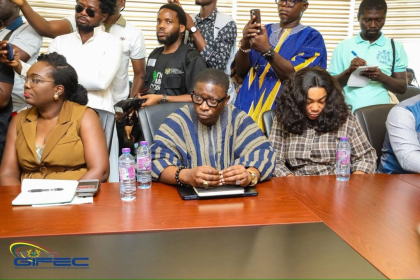
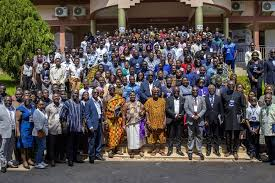
Participants at a Ghana Institute of Architects (GIA) media engagement on Friday called for the formal incorporation of architects into Metropolitan, Municipal and District Assemblies (MMDAs).
They described the move as critical to improving urban planning, streamlining permitting processes, and enhancing the overall quality of Ghana’s built environment.
During a panel discussion on the theme: “Navigating Urban Development and Regulatory Compliance: Lessons from the East Legon Flyover Controversy,” held at the Architecture House in Accra, panel members noted the incoherent urban growth due to the absence of architects in decision-making structures at the local government level.
That, they said, had contributed to poor aesthetics and avoidable regulatory breaches across the country.
Mr Victor T. Mensah, a former Director of Works at the Coastal Development Authority, said complex urban projects required professional architectural input beyond what many Assembly Works Departments could independently provide.
He explained that involving architects at the early stages of project conception, particularly through approval in principle, would help prevent developers from incurring unnecessary costs on detailed drawings that might later be rejected due to height restrictions or zoning requirements.
“Before developers invest heavily in full architectural drawings, there should be a structured mechanism where design schemes are critically reviewed by professionals empanelled by the assemblies,” he said.
Mr Mensah criticised the growing presence of poorly planned urban spaces, particularly under flyovers, which he said were often rendered unusable due to poor lighting and security concerns.
He noted that eliminating dark spaces and restoring functional street lighting should be a shared responsibility of city authorities.
Mr Augustus Richardson, the Vice President of the Ghana Institute of Architects, stressed the need for independent architects to serve as adjuncts to MMDAs rather than full-time staff.
He explained that such professionals should be engaged on a contractual basis through the Institute to ensure independence and objectivity in advising assemblies on development control.
“They must be able to speak freely without fear of victimisation. When architects are institutionally protected, they can help the city grow properly,” he said.
Mr Richardson raised concerns about recent public infrastructure, including bus shelters, describing many as inaccessible to persons with disabilities and poorly designed for long-term use.
Mr John D. Sowah Nai, Municipal Chief Executive of the Ga West Municipal Assembly, acknowledged the importance of collaboration between assemblies and built environment professionals.
He noted that clearer design guidelines and zoning frameworks would help demystify permitting processes.
He highlighted the need for cities to adopt shared aesthetic visions, including colour zoning and vertical development controls, to enhance visual harmony and liveability.
Mr Mustapha Gariba, a Physical Planning Officer at the Ministry of Local Government, Decentralisation and Rural Development, called for stronger enforcement of planning regulations, supported by professional oversight.
The participants called for coordinated action among MMDAs, professional bodies, and policymakers to institutionalise architectural input in local governance structures.