
Security has been tightened in Nalerigu, capital of the North East Region, after renewed unrest prompted the government to impose fresh restrictions aimed at preventing further violence.
A dusk-to-dawn curfew, running from 5:00 pm to 6:00 am, took effect on Wednesday, following advice from the National Security Council. The Interior Ministry said the measure was necessary to help restore calm and allow security agencies to deal decisively with emerging threats.
Alongside the curfew, authorities have placed a ban on the carrying of arms, ammunition and offensive weapons, warning that anyone found in violation will be arrested and prosecuted. Additional restrictions include a ban on the movement of motorbikes, the wearing of smocks, the sale of fuel in containers, and all forms of unlawful assembly within the township and nearby communities.
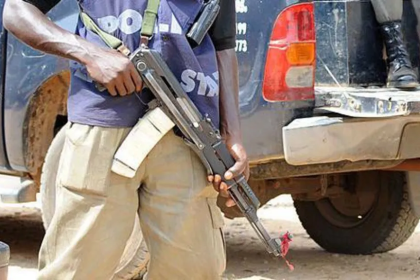
The latest measures follow reports of arson attacks, with several houses said to have been set ablaze by groups of youth, heightening fear among residents. In response, the Ghana Police Service has deployed reinforcement teams and armoured vehicles to the area, as part of a joint security operation to protect lives and property and enforce the new directives.
Police say investigations into the disturbances are ongoing and have pledged to bring those responsible to justice.
Residents have been urged to cooperate with security personnel and comply fully with the restrictions.
Nalerigu has experienced intermittent security challenges in recent years, often linked to wider instability in parts of northern Ghana. Earlier this year, the town was placed under curfew following the fatal shooting of two students at Nalerigu Senior High School, an incident that raised concerns about the spillover of violence from the long-running Bawku chieftaincy conflict in the neighbouring Upper East Region.
Although some restrictions were eased months ago after a relative improvement in conditions, the current developments suggest that tensions remain fragile. Government officials and security agencies have renewed appeals to traditional leaders, opinion leaders and the youth to exercise restraint and resolve grievances through dialogue rather than violence.