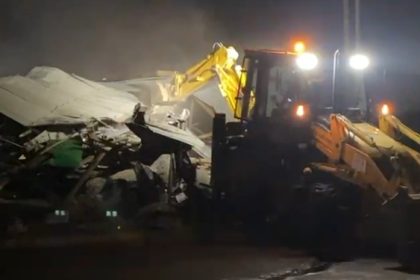
The Tema Regional Office of the Ghana Water Limited (GWL) has uncovered an illegal water connection at a mineral water production facility at Klagon as part of intensified efforts to reduce non-revenue water losses.
Mr Sampson Ampah, Tema Regional Communications Manager of GWL, told journalists during an inspection exercise that the illegal connection was detected at the Cool-Voltic mineral water factory.
Mr Ampah explained that the Managing Director of GWL, Mr Adam Mutawakilu, last year set up a special task force to tackle the high level of non-revenue water in the system, which currently stands at about 52 per cent of total water produced.
According to him, the initiative began with three teams but was later expanded to 10 following initial findings, adding that the expanded teams were inaugurated last week and have since begun routine inspections across the region.
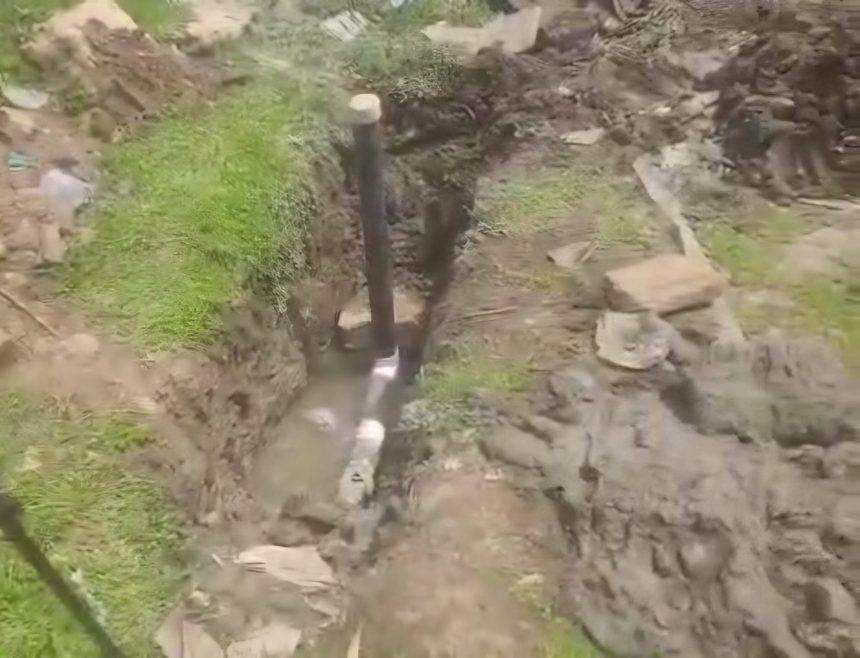
He said during an inspection at the factory, the team discovered that operators had illegally tapped into a 16-inch main transmission pipeline located in front of the facility using a two-inch pipe.
“They tapped directly onto the 16-inch main and buried the pipe in such a way that it would be difficult to detect. The pipe was laid behind a wall through a sugarcane farm and connected to their premises,” he said.
Mr Ampah further explained that the illegal connection was cleverly disguised. A vent was planted on the line to create the impression that it was a waste pipe; however, further technical examination revealed it was the main connection point feeding water into the factory’s operational area.
He stated that there was no meter installed on the line, meaning the factory had been using treated water for its operations without payment.
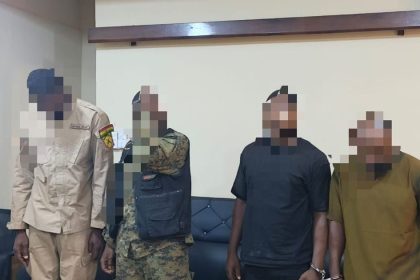
Describing the act as criminal, Mr Ampah said security personnel, including the military and National Security operatives who accompanied the task force, would ensure that those involved were arrested and handed over to the police for further investigation.
He noted that the inability to account for over half of the water produced posed serious financial challenges to the GWL.
“We must account for every drop of water we treat. When we cannot generate revenue from what we produce, the company runs at a loss. That revenue is what we use to buy treatment chemicals, pay electricity bills, maintain plants, and undertake future expansion projects,” he explained.
Mr Ampah appealed to the public to support GWL’s efforts by reporting suspected illegal connections to district or regional offices or the nearest police station.
He assured that informants’ identities would be protected, and a handsome reward would be given to anyone whose information leads to the detection of illegal water connections.
He stressed that eliminating illegal connections would improve water supply to underserved areas and enhance the company’s ability to serve customers efficiently.