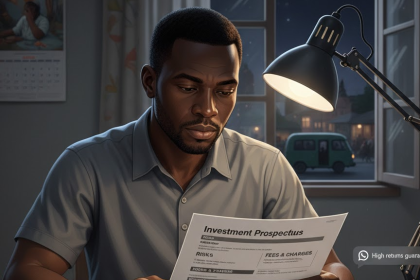

For many Ghanaians, financial struggle does not begin with poverty. It begins the moment income rises. A promotion, a new job, a move abroad, or even a small increase in earnings often triggers a subtle shift in spending habits. What was once a manageable budget slowly expands. Needs become wants, wants become expectations, and expectations become obligations
This pattern, known as lifestyle inflation, is one of the biggest reasons many Ghanaians — even high earners — find it difficult to save or invest. The change is so gradual that most people do not notice it until their bank accounts reveal the truth
The danger lies in how quietly it starts
Lifestyle inflation rarely appears dramatic. It begins with small upgrades: a nicer phone, a more comfortable apartment, weekend outings, ride-hailing instead of trotros, new clothes for the office, or frequent food delivery. These changes feel harmless. After all, what is the point of working hard if you cannot enjoy your earnings?
But each small upgrade permanently increases monthly expenses. Before long, a salary that once felt generous starts to feel insufficient. Savings stagnate or disappear entirely, and financial goals slip further away
Social pressure accelerates the cycle
In Ghana, lifestyle expectations grow alongside income. A new job or promotion often comes with comments like “Now you’ve made it” — comments that carry subtle pressure to behave accordingly. Colleagues expect celebratory outings. Family members expect increased contributions. Friends assume you can afford pricier hangouts
For diaspora Ghanaians, the pressure is even greater. The belief that “abroad money is plenty” leads to expectations of remittances, sponsorships and lifestyle upgrades when they visit home
This social pressure normalises higher spending, making it easy to forget the financial discipline that was necessary before the income increase
The housing upgrade that swallows salaries
Rent is one of the biggest drivers of lifestyle inflation in Ghana. Moving from a shared apartment in Achimota to a one-bedroom in East Legon feels like a deserved reward for hard work. But rent advances — often one to two years — turn that reward into a major financial commitment
A larger, better-located apartment usually comes with higher utility bills, more expensive food options nearby, and increased transport costs. Suddenly, the new lifestyle depends entirely on maintaining or increasing current income
One job loss or financial emergency can turn this upgrade into a burden
The transport trap: convenience at a high cost
Ride-hailing apps have transformed urban mobility, but they have also become one of the easiest ways to overspend. A young professional who once used trotros daily may, after a salary increase, start relying on Uber or Bolt for convenience
The problem is that convenience compounds. Before long, what was an occasional treat becomes a daily habit. Transport, often underestimated in Ghana, quietly becomes a major monthly expense
The “just this once” spending that becomes routine
Ghanaians are social by nature. Eating out, brunching, hanging out with friends and attending events are normal parts of life. But as income rises, the frequency of these activities often increases
A “small treat” becomes a weekly ritual. An occasional splurge becomes the new normal. Without realising it, people train themselves to expect more expensive comforts — comforts that their savings habits cannot support
Why higher income doesn’t automatically improve financial stability
The assumption that more money solves financial problems is one of the most persistent myths. In reality, many Ghanaians earning GHS 20,000 a month save less than they did when they earned GHS 5,000
The reason is simple: spending rises to match income. Without deliberate effort, people quickly adjust to new lifestyles and lose sight of long-term goals
Studies around the world show that financial satisfaction is not tied to income alone; it is tied to whether a person controls their spending
The emotional side of lifestyle inflation
Lifestyle upgrades feel good. They boost confidence, signal progress and provide comfort. But emotional spending — spending to feel accomplished, to relieve stress, or to impress others — can be financially dangerous
In Ghana’s urban centres, where image matters and social comparison is constant, emotional spending is a major driver of lifestyle inflation
How to defend your savings from lifestyle creep
Lifestyle inflation is not inherently bad; wanting a better life is natural. The danger is letting lifestyle upgrades outpace savings. These practical strategies help maintain balance:
Save more every time you earn more
If your salary increases by GHS 1,000, avoid spending the entire difference. Allocate at least half toward savings or investment
Upgrade gradually, not impulsively
Give yourself time before making major lifestyle changes like moving to a bigger apartment or buying a car
Set clear financial goals
People who save for something specific — a house, emergency fund, business investment — are less vulnerable to lifestyle spending
Track your spending honestly
A simple month of tracking can reveal where lifestyle creep has already taken hold
Create a “comfort budget”
Enjoy your income — but within limits that do not threaten your long-term stability
Avoid comparison
Many lifestyle upgrades are driven by what friends, colleagues or influencers are doing. Financial independence begins with resisting this pressure
The real cost of lifestyle inflation
The quiet danger of lifestyle inflation is that it steals the future to fund the present. It absorbs money that could have gone into emergency funds, business ventures, home ownership or retirement
In a country where economic shocks are common, inadequate savings can turn a small setback into a major crisis
The Ghanaian professionals and entrepreneurs who build lasting wealth share one trait: they upgrade their lifestyles slowly and deliberately. They refuse to let rising income dictate their spending
For everyone earning and aspiring in Ghana today, lifestyle inflation is a silent challenge — but one that can be managed with awareness and discipline. In a world of rising expectations, the real sign of progress is not how much you spend, but how much control you keep over your financial life