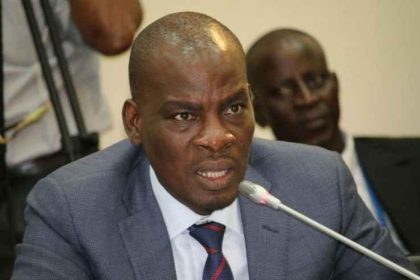
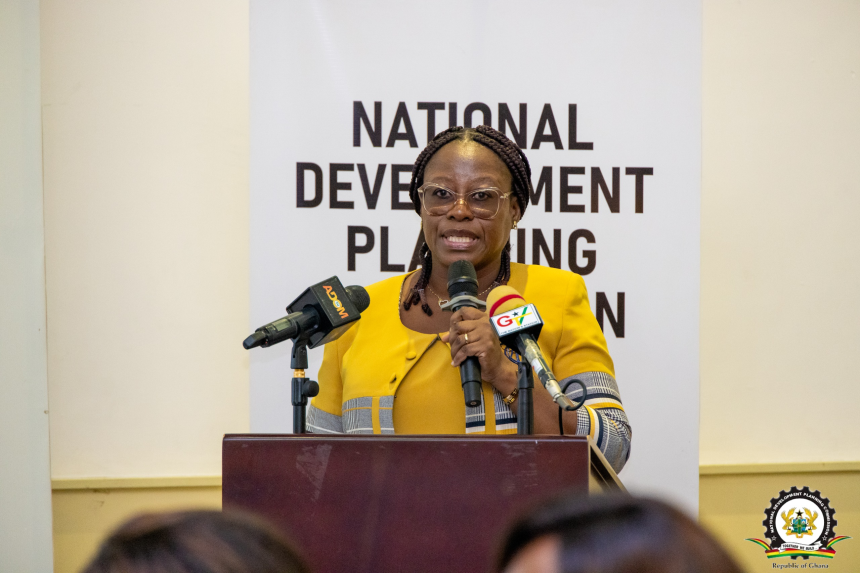
In a brightly lit conference hall in Accra, Dr Audrey Smock Amoah, Acting Director-General of the National Development Planning Commission (NDPC), stood before a gathering of ministers, directors, and educationalists with a message both urgent and sobering: Ghana must invest strategically in its people if it hopes to secure prosperity in the decades ahead.
Her words carried weight. The World Bank’s Human Capital Index places Ghana at 0.45, meaning a child born today is expected to achieve less than half of their full productivity potential by age 18 under current health and education conditions.
“This stark reality calls for deliberate and coordinated action,” Dr Amoah declared, urging the nation to embrace a long-term strategy that strengthens learning outcomes, health, skills development, and productivity.
But beyond the policy tables and PowerPoint presentations, what does this call mean for ordinary Ghanaians?
The classroom struggle
At the bustling Kaneshie Market, 32-year-old trader, Ama Owusu, shared her perspective. “My daughter is in the JHS, and sometimes the teachers don’t even come because they are overworked or underpaid. If the government says they want to invest in human capital, they should start with making sure our children have teachers who are motivated,” she said, adjusting a tray of oranges.
Educationalists echo her concerns. Dr Kwabena Bempah Tandoh of Thrive Ghana, who co-leads research on the strategy, and former deputy Director-General of the Ghana Education Service, insists that human capital is the most asset of any nation. “We cannot talk about innovation and competitiveness if our children are leaving school without basic literacy and numeracy skills,” he explained.
“Investment must be holistic—health, education, and skills training must all work together.”
Health and Productivity
In Korle Bu Teaching Hospital, nurse Emmanuel Mensah reflected on the health dimension. “We see young people with preventable illnesses that keep them out of school or work. If we don’t fix healthcare access, all the talk about productivity will remain theory,” he said.
Dr Amoah herself acknowledged this gap, noting that socio-economic transformation cannot be divorced from investment in health. The strategy envisions a Ghana where citizens are healthier, more resilient, and equipped to thrive in an era of artificial intelligence and rapid technological change.
Dreaming of 2057
The NDPC’s long-term vision is ambitious: by 2057, Ghana aims to reach high-income status with a nominal GDP of US$3.4 trillion and per capita GDP of at least US$50,000. Yet, many Ghanaians wonder how this translates into their daily lives.
“I hear these big numbers, but what I want is a job that pays enough to feed my family,” said Kofi Asante, a recent university graduate now working as a ride-hailing driver.
“We graduate, but the jobs don’t match our skills. That mismatch is killing our dreams.”
Labour-market mismatches and the outflow of skilled professionals—often referred to as “brain drain”—are among the challenges Dr Amoah warned about. Coordinated ministerial support, she stressed, is “absolutely necessary” to address these systemic issues.
The Resetting Ghana Agenda
The Human Capital Development Strategy aligns with the President’s “Resetting Ghana Agenda,” which emphasises rebuilding economic foundations, strengthening institutions, and placing people at the centre of national development.
“Resetting Ghana requires more than stabilising the present; it requires preparing our people for the future,” Dr Amoah said.
For teachers like Madam Akua Nyarko in Kumasi, this resonates deeply. “We are preparing children for jobs that don’t even exist yet. If Ghana wants to compete globally, we must invest in technology, critical thinking, and creativity. Otherwise, our children will always be behind.”
A Collective Responsibility
The strategy is not just about government action—it requires collective effort. Parents, educators, healthcare workers, and communities all play a role in shaping Ghana’s human capital.
As Dr Tandoh put it, “Human capital is not built in isolation. It is the sum of every child who learns, every worker who innovates, and every citizen who contributes to the nation’s progress.”
Preparing for the Future
Ghana’s journey toward 2057 is filled with promise, but also fraught with challenges. The call from the NDPC is clear: investment in human capital is not optional—it is the foundation of national prosperity.
For Ama at the market, Emmanuel at the hospital, Kofi behind the wheel, and Madam Nyarko in the classroom, the strategy represents hope that their struggles will one day give way to opportunity.
The question that remains is whether Ghana can turn policy into practice, ensuring that every child born today has the chance to reach their full potential—and in doing so, carry the nation toward its ambitious vision of prosperity.