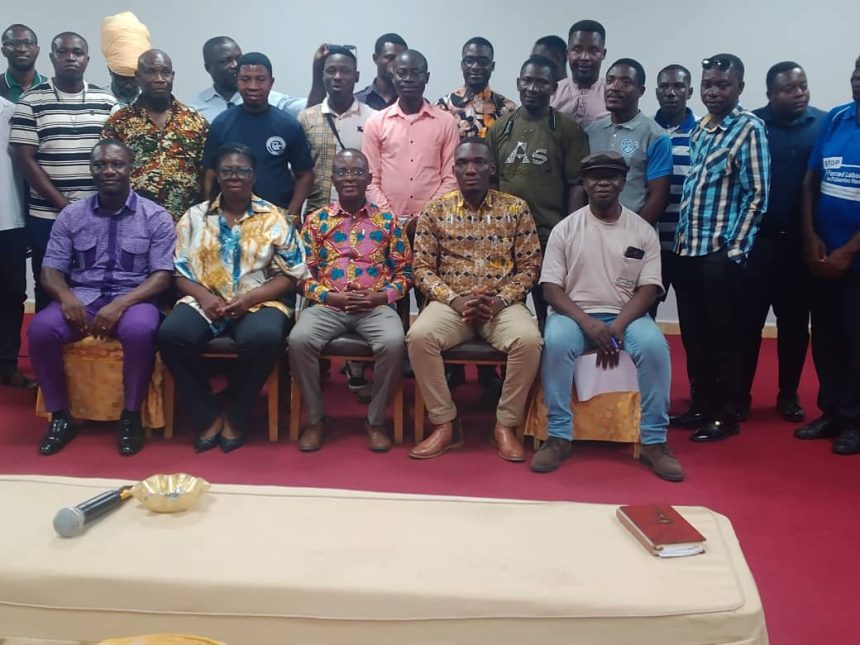
The Friends of the Nation (FoN), a non-governmental organisation (NGO), and ProSea Marine Education, have organised a day’s fishing safety reporting training for selected journalists across the coastal belt in the Western Region as part of measures to improve upon fisheries governance.
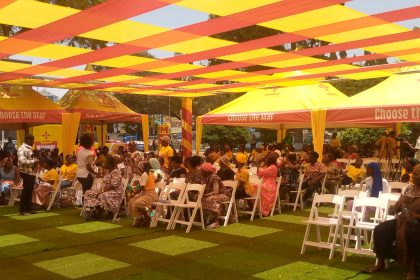
The capacity building training workshop, held in Takoradi, and under the auspices of the Marine SafeNet Ghana Project, afforded participants the opportunity to disseminate information on the safety of artisanal fishers.
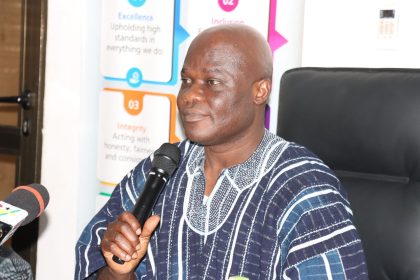
Mr Mevuta Donkris, Executive Director of FoN, speaking at the event, emphasised the need for a strong partnership with journalists, stating that they played a crucial role in ensuring fisheries governance.
He said: “When it comes to fishers’ safety and especially reporting for safer season, the media as partners tell stories to shape the outlook and future of our fisheries.”
He noted that across the world, small-scale artisanal fishers were the beacon of sustainable livelihoods, and food security, yet had not been recognised enough.
Mr Donkris said fishing remained one of the most dangerous jobs globally with the International Labour Organisation’s estimation of 24,000 fishers who lost their lives each year while the Food and Agricultural Organisation reported an average of 80 fatalities every day.
“The picture in West Africa is quite bizarre as 100 of artisanal fishers go missing at sea due to poor weather caused by climate change,” he added.
Mr Donkris said FoN in collaboration with its partners was working hard to ensure justice through livelihood empowerment to make fishing safer, fairer and more sustainable.
He said: “Our efforts alone cannot do this, and since the media plays a powerful role in creating awareness, informing policy by reporting accurately, the media will ensure that fisheries struggles and achievements are safe, respected and never forgotten.”
Mr Donkris added that the partnership was to change the story from tragedy to transformation, saying; “Together, we can ensure that every fisher goes to sea and returns safe.”
Mr Philip Prah, a Project Officer with FoN, said the NGO was compiling safety issues within the artisanal fishing sector, adding that they had introduced a solar powered device to track artisanal fishers at sea.
He said the device was useful for fishers at sea especially where there was no mobile network connectivity.
Mr Obrempong Yaw Ampofo, another Project Officer with FoN, said the training was designed for journalists to understand and pay close attention to safety issues within the small-scale artisanal fishing.
Participants at the training pledged to prioritise safety issues of small scale fishing on their media platforms.