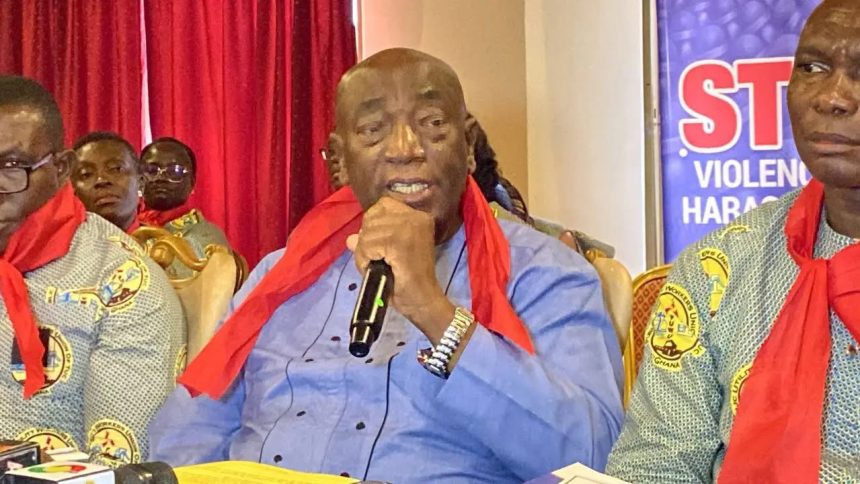
The Trades Union Congress (TUC), the umbrella body for organised labour in Ghana, has strongly rejected newly approved electricity and water tariff increases, calling them a “New Year’s gift” that undermines recent wage gains and threatens workers’ livelihoods.
The Public Utilities Regulatory Commission (PURC) has announced that electricity tariffs will rise by about 9.86 percent and water tariffs by 15.92 percent, effective January 1, 2026.
The timing has heightened tensions, as the tariff hike coincides with a scheduled 9 percent minimum-wage increase for 2026. According to the TUC, the simultaneous adjustments erase any real benefit workers would have received from the wage increase.
In a statement signed by Secretary-General Joshua Ansah, the TUC said workers “cannot accept” the hikes unless the government returns to the negotiating table — either rescinding the increases or significantly raising the 2026 wage adjustment. The union warned that it would mobilise workers across the country if its demands are ignored.
The union argues that with utility costs rising just as salaries increase, households will see no improvement in their financial situation. Many workers already consider the 9 percent wage increase inadequate amid high inflation and rising living costs.
The TUC has scheduled a press conference for December 8, 2025, where it plans to outline potential actions — including protests or other industrial responses — if the government does not reconsider its position.
The tariff increases are part of PURC’s Multi Year Tariff Order (MYTO) for 2026–2030, intended to align prices with operational costs, inflation, exchange-rate changes and investment needs in the electricity and water sectors. Officials argue the adjustments are necessary to maintain infrastructure, improve service delivery and ensure sustainability for utility providers.
However, many workers, union leaders and economic commentators view the timing as insensitive, saying the policy burdens the very households it claims to protect. The confrontation between organised labour and the government now appears set to shape the early months of 2026, raising pressing concerns about the cost of living, wage adequacy and social equity.