A new global analysis from the Institute for Health Metrics and Evaluation (IHME) finds that anemia affects far more people than previously estimated, with nearly 200 million additional cases identified in 2023.
The study is under the World Health Organization’s (WHO) updated 2024 elevation adjustment method—an update to its 2001 approach.
The revised method uses a more robust, evidence-based equation to adjust haemoglobin levels for elevation, improving how anemia is measured across populations living at different altitudes.
To assess its impact, IHME researchers applied both the 2001 and 2024 methods to the same data and compared results across 204 countries and territories, according to a release shared with the Ghana News Agency.
The findings, to be published in The Lancet Haematology (post-publication link), provide the first comprehensive assessment of how global anaemia estimates change under the WHO 2024 elevation adjustment method compared to previous methods.
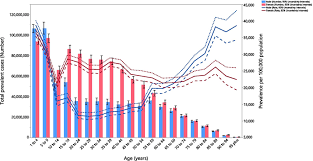
Key findings using the WHO 2024 elevation adjustment method include: More than 2.1 billion people living with anaemia worldwide in 2023, up from 1.9 billion under previous estimates, shifting anaemia from the third to the second leading cause of disability globally.
It said nearly 200 million additional anaemia cases identified globally in 2023, with prevalence rising from 24.0 to 26.4 per cent.
It added that 120 million additional moderate and severe anaemia cases identified globally in 2023, including more than 19 million additional cases of severe anaemia.
It identified disproportionate burden among women and young children, with anaemia affecting nearly 40 per cent of children under five and one in three women aged 10-54 worldwide.
It noted largest increases observed in mid-elevation regions, with higher anaemia prevalence than previously estimated in populations living at 500-2000 meters, including parts of eastern sub-Saharan Africa, Central Asia, and Central and South America.
Greater burden identified in lower-income countries, with anaemia more prevalent than previously thought in low- and middle-SDI settings.
Wide global variation in total anemia prevalence, ranging from 7.6 per cent in Scotland to nearly 59 per cent in Yemen.
The findings reveal a higher anemia burden than previously recognized and emphasized the need for strengthened monitoring and targeted interventions, particularly in regions where burden had been previously underestimated.