Nineteen West African migrants who were recently deported from the United States to Ghana have been moved from their initial holding location to undisclosed sites, raising fresh concerns from lawyers and human-rights advocates about transparency, due process and the safety of the deportees.
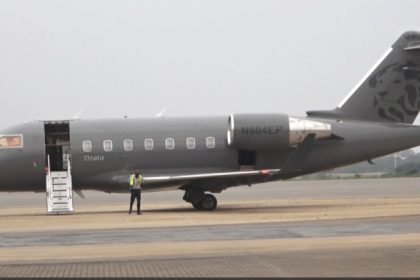
The group, which arrived in Ghana on November 5 under a controversial U.S. “third-country transfer” policy, was first accommodated in a hotel in Accra.
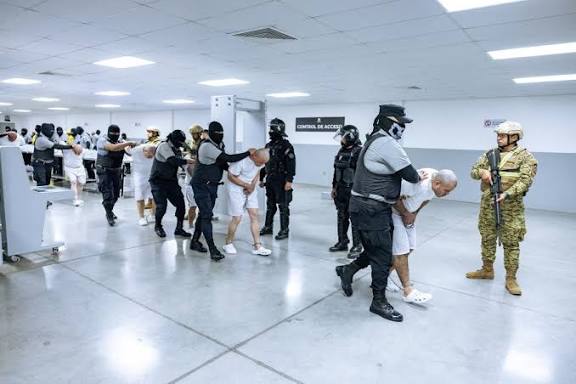
Lawyers representing some of the migrants now say they have completely lost contact with them after the individuals were taken away under armed escort.
Lawyer Ana Dionne-Lanier, who represents one of the nationals, said: “We don’t know the location of any of them.” She added that part of the group was transported toward an unknown border area last weekend, while others, including her client, were moved “under heavy armed guard” from the hotel mid-week.
Earlier, another lawyer, Oliver Barker-Vormawor filed a legal challenge on behalf of 11 migrants deported under a similar arrangement, arguing that they faced serious risk if returned to their home countries.
Barker-Vormawor told a court the group included nationals from Nigeria, Liberia, Togo, Gambia and Mali, and said U.S. immigration judges had granted at least eight of them protections against removal to their home countries “due to the risk of torture, persecution or inhumane treatment.”
The deportations form part of a new U.S. system that sends migrants not back to their countries of origin but to partner nations willing to receive them. Ghana entered into such an arrangement earlier this year.
The policy has drawn sharp criticism from rights groups, who argue it bypasses long-standing protections designed to prevent migrants from being sent to places where they may face persecution, violence or further displacement.
Ghanaian authorities have not provided details about why the migrants were relocated or where they are being held, leading to concerns that they may be at risk of mistreatment or onward transfer without adequate legal safeguards.
The latest disappearance of the nineteen deportees has intensified scrutiny of Ghana’s role in the U.S. programme.
Activists say the government must immediately disclose where the migrants are, provide access to legal representation, and guarantee that no one will be moved without proper evaluation of the risks they face.
For now, families, lawyers and advocates are operating in an information vacuum, unsure of the migrants’ welfare or safety.
As one lawyer put it, “Until we know where they are, we cannot know whether their rights are being protected or violated.”