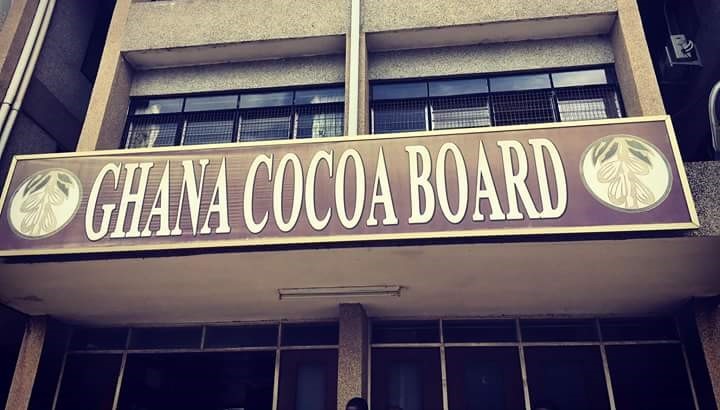
Parliament on Thursday, July 30, 2026, passed the Ghana Cocoa Board Bill, 2026, ushering in reforms aimed at restructuring the country’s cocoa sector and strengthening the regulatory framework governing the industry.
The legislation, which establishes the Ghana Cocoa Board as the statutory body responsible for regulating, overseeing, and monitoring activities across the cocoa value chain, introduces a suite of measures designed to protect farmers, enhance local processing, and improve governance.
Presenting the Bill’s objectives on the floor of Parliament, Deputy Finance Minister Thomas Nyarko Ampem outlined several key provisions.
Chief among these is a guarantee that cocoa farmers will receive not less than 70 per cent of the Free on Board export price, a measure intended to significantly improve farmer incomes.
The Bill also introduces a new funding model that empowers COCOBOD to source financing locally for the purchase of cocoa beans, reducing reliance on external borrowing.
Additionally, the legislation ensures that cocoa beans will be made available to local processing companies, supporting domestic value addition and industrial growth.
The Bill further provides a clear legal framework for the Producer Price Review Committee and its associated technical structures, formalising the process for determining producer prices.
It also addresses long-standing compliance and enforcement challenges by granting statutory backing to regulatory functions that had previously been implemented through administrative guidelines.
These include regulations governing disinfestation procedures, quality inspections, service charges, cocoa take-over processes, and certification requirements, all of which will now carry stronger legal enforceability.
On the governance front, the Bill resolves years of institutional inconsistency by formally placing COCOBOD under the supervision of the Ministry of Finance, giving legal effect to the government’s March 2025 policy directive that transferred oversight from the Ministry of Food and Agriculture.
The legislation also seeks to create an enabling environment for public-private partnerships and increased local value addition, encouraging collaboration with domestic and international partners, including initiatives involving the European Union, the World Cocoa Foundation, and the Côte d’Ivoire-Ghana Cocoa Initiative.
It introduces regulatory flexibility to support small-scale chocolatiers and cocoa by-products manufacturers, addressing operational barriers that have constrained domestic processing and innovation in the sector.